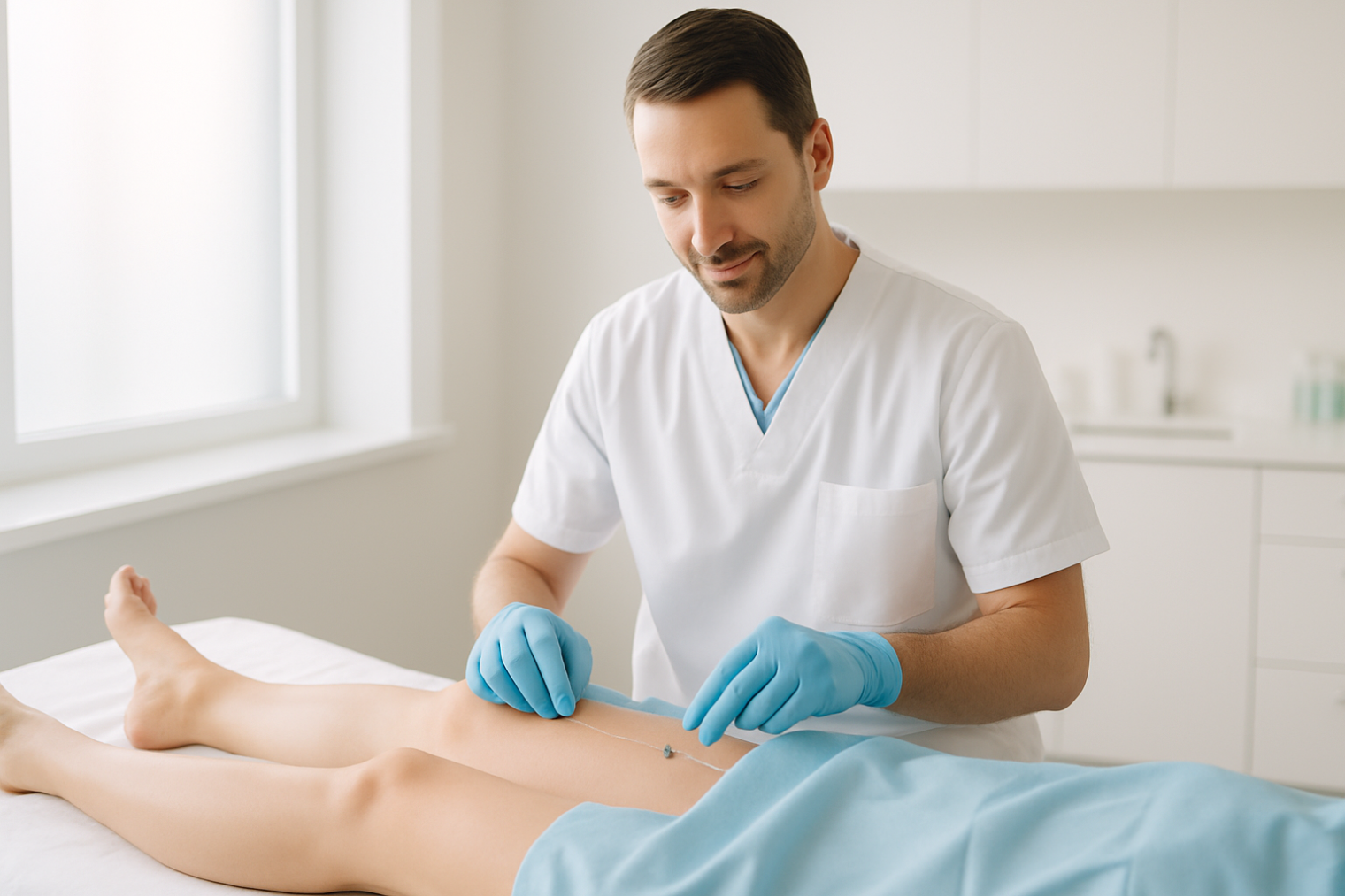
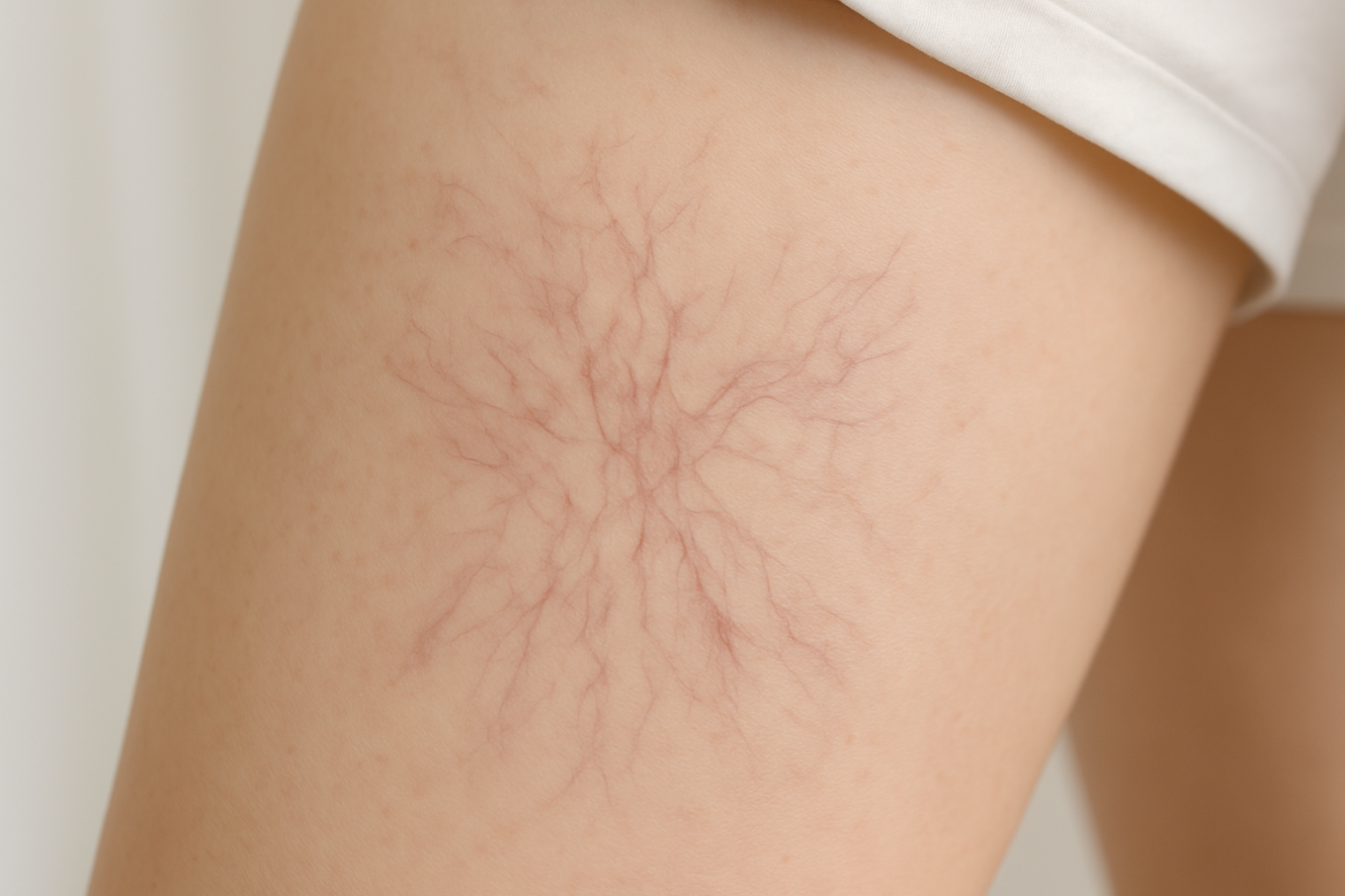
Varicose veins are a common condition that affects millions of people worldwide, especially in the legs. Varicose Veins Spider Veins Varicose Veins Doctor Veins Specialist are terms often searched by people looking for information about visible, enlarged veins and available treatment options. These veins develop when blood flow becomes inefficient, causing veins to enlarge, twist, and appear beneath the skin.
Although varicose veins are often considered a cosmetic concern, they can sometimes indicate underlying circulation problems. Understanding why varicose veins occur, what increases the risk, and when to seek professional care can help people take timely action. From genetics and lifestyle factors to aging and hormonal changes, several conditions contribute to their development. Learning about prevention and treatment options allows individuals to protect their vein health and maintain better leg comfort.
What Causes Varicose Veins to Develop in the Legs?
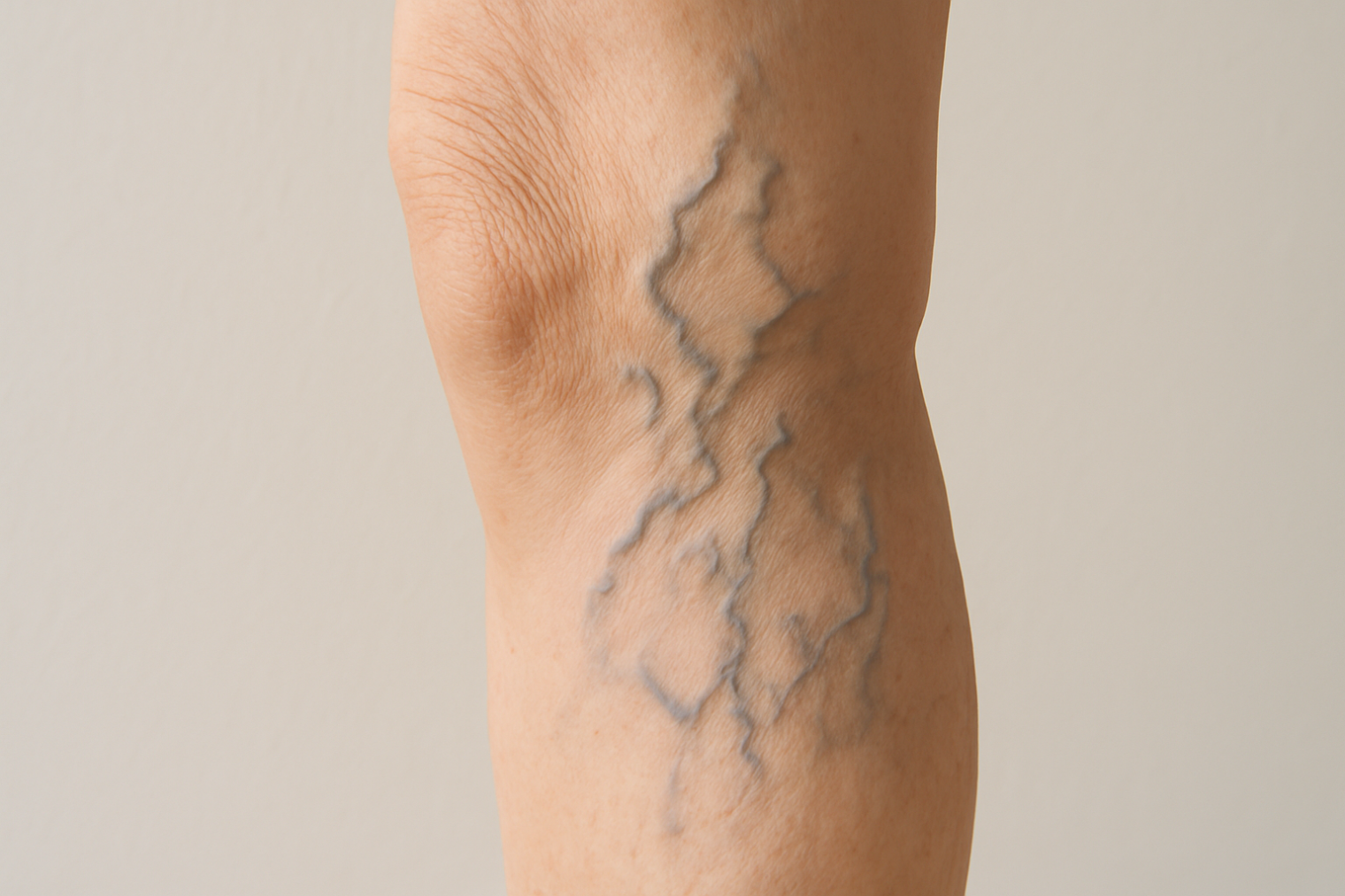
Varicose veins develop when the valves inside the veins do not work properly. Healthy veins contain small valves that help blood move upward toward the heart. When these valves weaken or become damaged, blood can flow backward and collect inside the veins. This increased pressure causes the veins to stretch, enlarge, and become visible under the skin.
The legs are especially vulnerable because veins in this area must work against gravity to move blood upward. Standing or sitting for long periods can increase pressure on leg veins, making it harder for blood to circulate efficiently. Over time, this pressure can contribute to the formation of enlarged, twisted veins.
Another important factor is the structure of the veins themselves. Some people naturally have weaker vein walls, which makes them more likely to experience vein enlargement. When veins lose their elasticity, they may not effectively support normal blood movement.
Why Are Legs More Affected by Varicose Veins?
Legs are one of the most common areas affected by varicose veins because they experience significant pressure during daily activities. The veins in the lower body must transport blood upward against gravity, requiring strong vein walls and properly functioning valves.
When a person stands for many hours, blood has a greater tendency to collect in the lower legs. Jobs that involve prolonged standing, such as healthcare, retail, or hospitality work, can increase the strain placed on leg veins. Similarly, long periods of sitting may reduce muscle activity that normally helps push blood back toward the heart.
The calf muscles play an important role in circulation. Each time a person walks or moves their legs, these muscles help compress veins and encourage blood flow. A sedentary lifestyle can reduce this natural pumping action, increasing the risk of blood pooling.
Genetics also plays a major role in why some people develop leg varicose veins more easily than others. Individuals with a family history of vein problems may inherit weaker vein structures or less effective valves.
How Do Genetics Influence Varicose Vein Formation?
Genetics is one of the strongest risk factors associated with developing varicose veins. People who have parents or close relatives with vein problems are more likely to experience similar issues. Inherited characteristics may include weaker vein walls, reduced valve strength, or structural differences in the circulatory system.
A person’s genetic makeup can influence how effectively veins handle pressure over time. If vein walls are naturally less flexible, they may stretch more easily when exposed to increased pressure. Once the veins become enlarged, the valves may struggle to close properly, allowing blood to move backward.
Family history does not guarantee that someone will develop varicose veins, but it can increase the likelihood. Lifestyle choices, physical activity levels, weight management, and overall health can also influence whether symptoms appear.
Many people notice their first signs of varicose veins after changes such as aging, pregnancy, or prolonged periods of standing. These factors may reveal an underlying genetic tendency that was already present.
What Role Do Age and Hormonal Changes Play?
Aging is a natural factor that can contribute to the development of varicose veins. As people get older, veins may gradually lose strength and elasticity. The valves inside the veins may also become less effective, allowing blood to accumulate and increasing pressure within the vein walls.
Hormonal changes can also influence vein health. Hormones affect the structure and flexibility of blood vessels, which is why certain life stages may increase the risk of developing varicose veins. Women are particularly affected during pregnancy, menopause, and other periods involving hormonal fluctuations.
During pregnancy, increased blood volume and pressure from the growing uterus can place additional stress on leg veins. Hormonal changes may also relax vein walls, making circulation more challenging. Many women notice new visible veins during pregnancy, although some may improve after delivery.
Age-related vein changes are not always preventable, but healthy habits can help support circulation. Regular exercise, maintaining a healthy weight, and avoiding extended periods of inactivity can reduce unnecessary strain on the veins.
What Lifestyle Factors Increase the Risk of Varicose Veins?
Daily habits can significantly affect vein health. A lack of physical activity is one lifestyle factor that may contribute to poor circulation. When the legs remain inactive for long periods, blood flow can slow, increasing pressure inside the veins.
Excess body weight can also place additional pressure on leg veins. Increased pressure makes it harder for veins to move blood efficiently back toward the heart. Over time, this added strain may contribute to vein enlargement.
Occupational habits can also influence risk. People who spend many hours standing or sitting without movement may experience increased pressure in their lower legs. Taking regular breaks, stretching, and walking can encourage healthier circulation.
Wearing comfortable footwear and maintaining proper posture may also support better blood flow. Although lifestyle changes cannot eliminate every risk factor, they can help reduce pressure on the veins and improve overall circulation.
What Symptoms Should People Watch For?
Varicose veins may appear as enlarged, twisted veins that are blue, purple, or dark in color. However, visible changes are not the only symptoms people may experience. Some individuals notice discomfort, aching, heaviness, or tiredness in their legs.
Other possible symptoms include swelling around the ankles, itching near affected veins, muscle cramps, or a feeling of pressure in the legs. Symptoms may become more noticeable after standing for extended periods or at the end of the day.
In some cases, varicose veins may cause skin changes around the affected area. The skin may become darker, irritated, or sensitive due to long-term circulation issues. These changes should be evaluated by a healthcare professional.
Not everyone with varicose veins experiences pain, and not everyone with leg discomfort has varicose veins. Proper evaluation is important for understanding the cause of symptoms.
When Should You Visit a Veins Specialist?
Many people seek medical advice when varicose veins become uncomfortable, noticeable, or interfere with daily activities. A veins specialist can evaluate the condition, identify underlying circulation problems, and recommend suitable treatment options.
Professional evaluation is especially important when symptoms include persistent swelling, significant pain, skin changes, or sores near the ankle area. These signs may indicate more advanced vein problems that require attention.
A specialist typically begins with a detailed assessment of symptoms and medical history. Diagnostic tools may be used to examine blood flow and determine how effectively the veins are functioning.
Modern vein treatments are often minimally invasive and designed to improve both comfort and appearance. Treatment recommendations depend on the severity of the condition, overall health, and individual goals.
How Can Varicose Veins Be Prevented or Managed?
While some risk factors, such as genetics and age, cannot be changed, many habits can support healthier veins. Regular physical activity is one of the most effective ways to encourage circulation. Walking, swimming, and other low-impact exercises help the leg muscles support blood movement.
Maintaining a healthy weight can reduce pressure on the veins. A balanced diet, proper hydration, and active lifestyle choices contribute to overall circulatory health.
People who sit or stand for long periods should try to move regularly. Simple activities such as stretching the legs, changing positions, and taking short walks can reduce pressure buildup.
Compression garments may also help some individuals improve circulation and reduce discomfort. However, they should be used based on professional guidance when symptoms are significant.
Conclusion
Varicose veins are common in the legs because veins must work against gravity to return blood to the heart. Factors such as genetics, aging, hormonal changes, lifestyle habits, and prolonged standing or sitting can increase the likelihood of developing visible and uncomfortable veins. Understanding the causes and symptoms allows individuals to seek timely guidance and protect their circulation.
If you are experiencing concerns related to varicose veins, spider veins, or leg discomfort, professional evaluation can help identify the right solution. Charming Skin Vein Clinics in Chicago provides expert vein care and personalized treatment options to help patients improve their vein health. To schedule a consultation, contact +1 630-974-1400 and speak with a qualified vein care professional.
https://www.buzzsprout.com/2645776/episodes/19735908
https://www.podomatic.com/podcasts/alishamorgan156podcast/episodes/2026-09-01T05_35_25-07_00
https://stream.redcircle.com/episodes/9fe1e054-ead9-4eda-8df0-3160fd39d1e0/stream.mp3