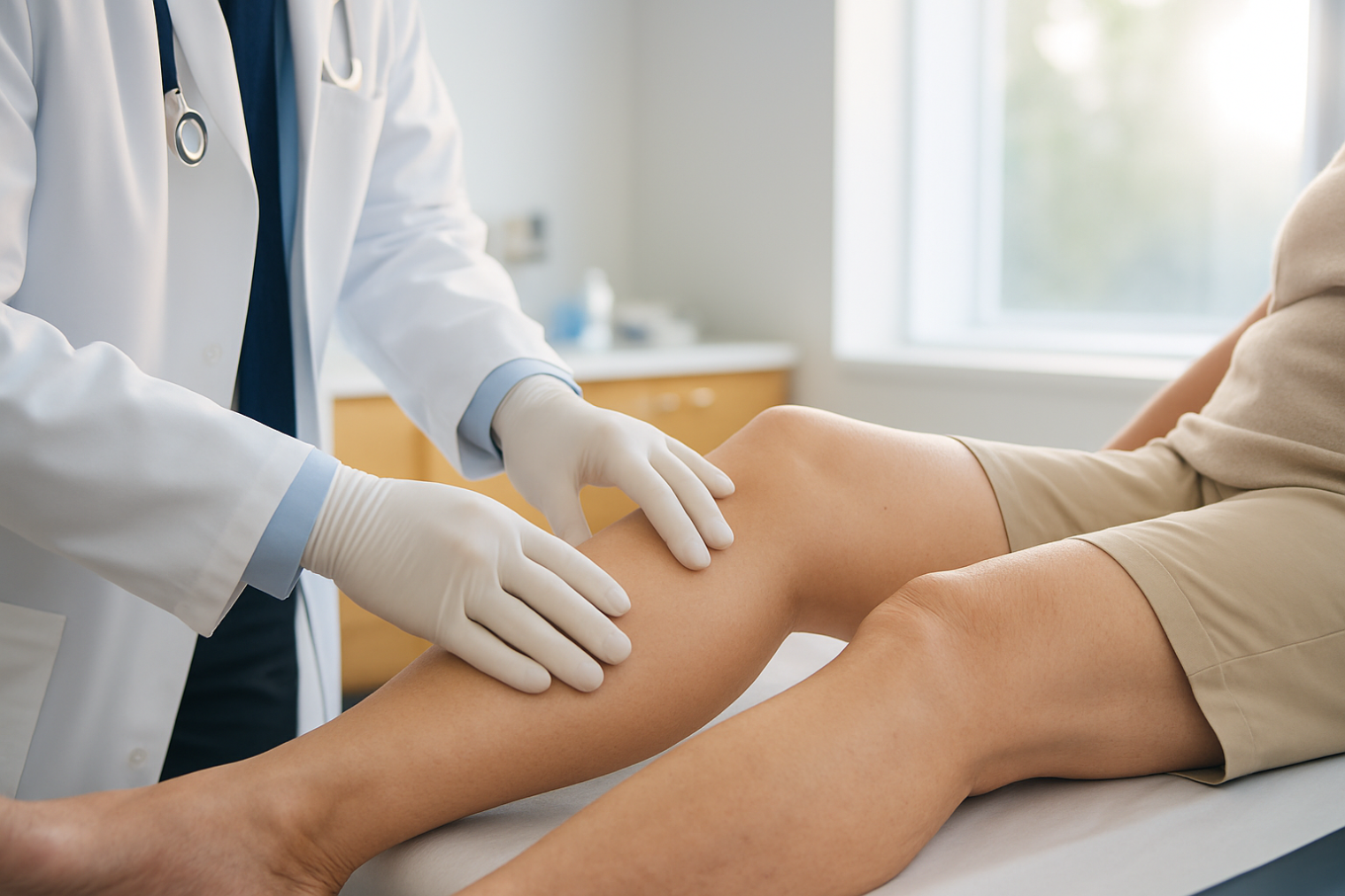
If you are searching for the newest treatment for Varicose Veins, Spider Veins, Varicose Veins Doctor, and Veins Specialist care, you may wonder whether modern procedures have replaced traditional vein surgery. Today, patients have access to several minimally invasive treatments designed to close or reduce problematic veins with less discomfort and downtime. Options include radiofrequency ablation, laser treatment, adhesive closure, and sclerotherapy. The right choice depends on the size and location of the veins, symptoms, circulation, and ultrasound findings. Understanding these newer treatments can help you have a more informed conversation with a qualified vein professional about which option may be appropriate for your needs.
What Is the Newest Treatment for Varicose Veins?
There is no single newest treatment that is automatically best for every patient. Modern vein care includes several minimally invasive technologies, and the appropriate procedure depends on the underlying vein problem and the patient’s anatomy.
Radiofrequency ablation and endovenous laser treatment are established procedures that use controlled energy to close unhealthy veins. Newer nonthermal options, such as medical adhesive closure and mechanochemical ablation, provide additional alternatives.
The goal of treatment is to stop abnormal blood flow through the affected vein while allowing blood to move through healthier veins. A vein specialist can evaluate your condition and recommend the most appropriate technology.
How Does Radiofrequency Ablation Work?
Radiofrequency ablation, or RFA, uses controlled heat to close an unhealthy superficial vein. A physician guides a thin catheter into the vein using ultrasound and delivers radiofrequency energy to the vein wall.
The treated vein seals closed, and blood is naturally redirected through healthier veins. Because the procedure typically requires only a small access point, it generally involves less tissue disruption than traditional vein stripping.
RFA can be useful for certain larger veins associated with symptoms such as aching, swelling, heaviness, or visible bulging veins. Your physician will determine whether the treatment is appropriate based on your ultrasound results and vein anatomy.

Is Laser Treatment Still Used?
Endovenous laser ablation, commonly called EVLA, remains a modern treatment option for certain varicose veins. Similar to RFA, it uses a catheter to deliver energy inside the affected vein.
The laser creates controlled heat that causes the vein to close. The body eventually absorbs the treated vein while circulation is redirected through healthier vessels.
Laser treatment can be effective for appropriately selected patients, although not everyone needs the same procedure. A professional evaluation can determine whether laser treatment, radiofrequency ablation, or another approach is better suited to your condition.
What Are Nonthermal Vein Treatments?
Nonthermal treatments offer alternatives to procedures that rely on heat. Medical adhesive closure uses a specialized adhesive to seal the affected vein, while mechanochemical ablation combines mechanical and chemical methods to close the vessel.
One potential advantage of these approaches is that they do not depend on thermal energy. However, newer does not necessarily mean better for every patient.
A Varicose Veins Doctor can compare available options based on the location, size, and condition of your veins. Treatment should be selected according to your medical needs rather than simply choosing the newest technology available.
How Are Spider Veins Different?
Spider veins are smaller, superficial blood vessels that can appear red, blue, or purple beneath the skin. Varicose veins are generally larger, raised, and twisted and may cause symptoms such as discomfort or swelling.
Because these veins differ in size and depth, they may require different treatments. Sclerotherapy is commonly used to treat certain spider veins and smaller problematic vessels.
During sclerotherapy, a solution is injected into the targeted vein, causing it to close and gradually become less noticeable. Ultrasound-guided foam sclerotherapy may also be considered for certain larger veins.
A proper evaluation helps determine whether visible spider veins are an isolated cosmetic concern or are associated with an underlying venous problem.
Why Is Ultrasound Important?
Modern vein treatment should begin with an accurate diagnosis. Duplex ultrasound allows a physician to examine blood flow and identify venous reflux, which occurs when valves in the veins do not function properly.
Reflux can contribute to increased pressure in the veins and may lead to symptoms such as aching, heaviness, swelling, and visible varicose veins.
Ultrasound also helps identify which veins are responsible for the problem. This information allows the physician to create a more targeted treatment plan rather than simply treating visible veins on the skin.
For this reason, an ultrasound examination is an important step before many vein procedures.

How Do You Choose a Vein Specialist?
Choosing an experienced Veins Specialist is an important part of receiving appropriate treatment. Look for a provider who evaluates your symptoms, performs or reviews appropriate diagnostic imaging, and offers multiple treatment options when necessary.
During your consultation, ask about the recommended procedure, expected results, recovery time, possible risks, and whether additional treatments may be needed.
A qualified provider should explain why a particular treatment is appropriate for your specific vein condition. This helps you understand your options and make an informed decision.
The newest technology is not necessarily the right solution. Experience, accurate diagnosis, and individualized treatment planning are equally important.
What Is Recovery Like?
Many modern vein procedures are performed in an outpatient setting and involve less recovery time than traditional surgical vein removal. Patients may experience temporary bruising, tenderness, tightness, or mild discomfort around the treated area.
Recovery depends on the treatment performed and your individual circumstances. Your provider may recommend walking soon after treatment and provide instructions regarding exercise, compression garments, medications, and follow-up care.
Following post-treatment instructions can help support recovery and reduce the likelihood of complications. Your physician should explain what activities are appropriate and when you can return to your normal routine.
How Is the Best Treatment Determined?
The best treatment depends on several factors, including the size and location of the affected veins, the amount of venous reflux, your symptoms, previous treatments, and overall health.
Some patients may benefit from radiofrequency ablation or laser treatment, while others may be candidates for adhesive closure, sclerotherapy, or another minimally invasive approach.
A personalized evaluation is therefore more useful than choosing a procedure simply because it is considered newer. Your provider can review your ultrasound results and explain which treatment offers the most appropriate approach for your particular condition.
Conclusion
Modern treatment for Varicose Veins, Spider Veins, Varicose Veins Doctor, and Veins Specialist care offers patients more minimally invasive choices than traditional vein surgery alone. Radiofrequency ablation, laser ablation, adhesive closure, and sclerotherapy may all be appropriate depending on the type and severity of the vein condition. An ultrasound evaluation can help identify the underlying problem and guide treatment selection.
If you have visible veins, leg swelling, aching, heaviness, or other concerns, consider speaking with a qualified vein professional. Charming Skin Vein Clinics provides vein care in Chicago and can help you understand your treatment options. Call 630-974-2400 to learn more or schedule an evaluation.