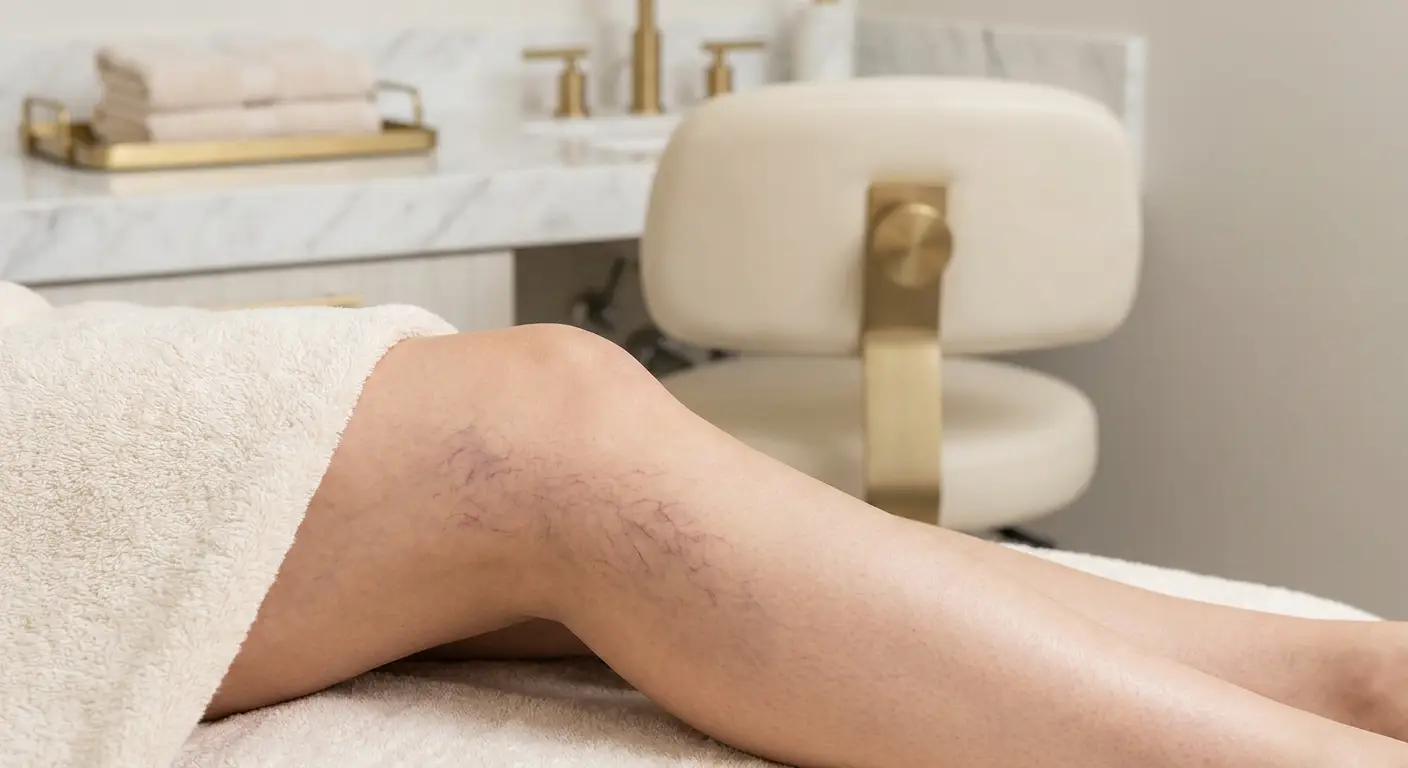
Varicose veins are a common vascular condition that affects millions of people, causing enlarged, twisted veins that often appear on the legs. While many people consider them only a cosmetic concern, untreated vein problems can sometimes lead to discomfort, skin changes, and more serious complications. Understanding the risks of leaving these conditions unmanaged can help individuals seek timely medical guidance. Conditions such as Varicose Veins Spider Veins Varicose Veins Doctor Veins Specialist concerns require proper evaluation to determine the right approach for care. Early consultation with a qualified vein specialist can help identify underlying circulation issues and prevent symptoms from worsening. Learning what happens when varicose veins are left untreated is an important step toward protecting long-term vein health and overall quality of life.
Varicose Veins Can Become More Painful Over Time
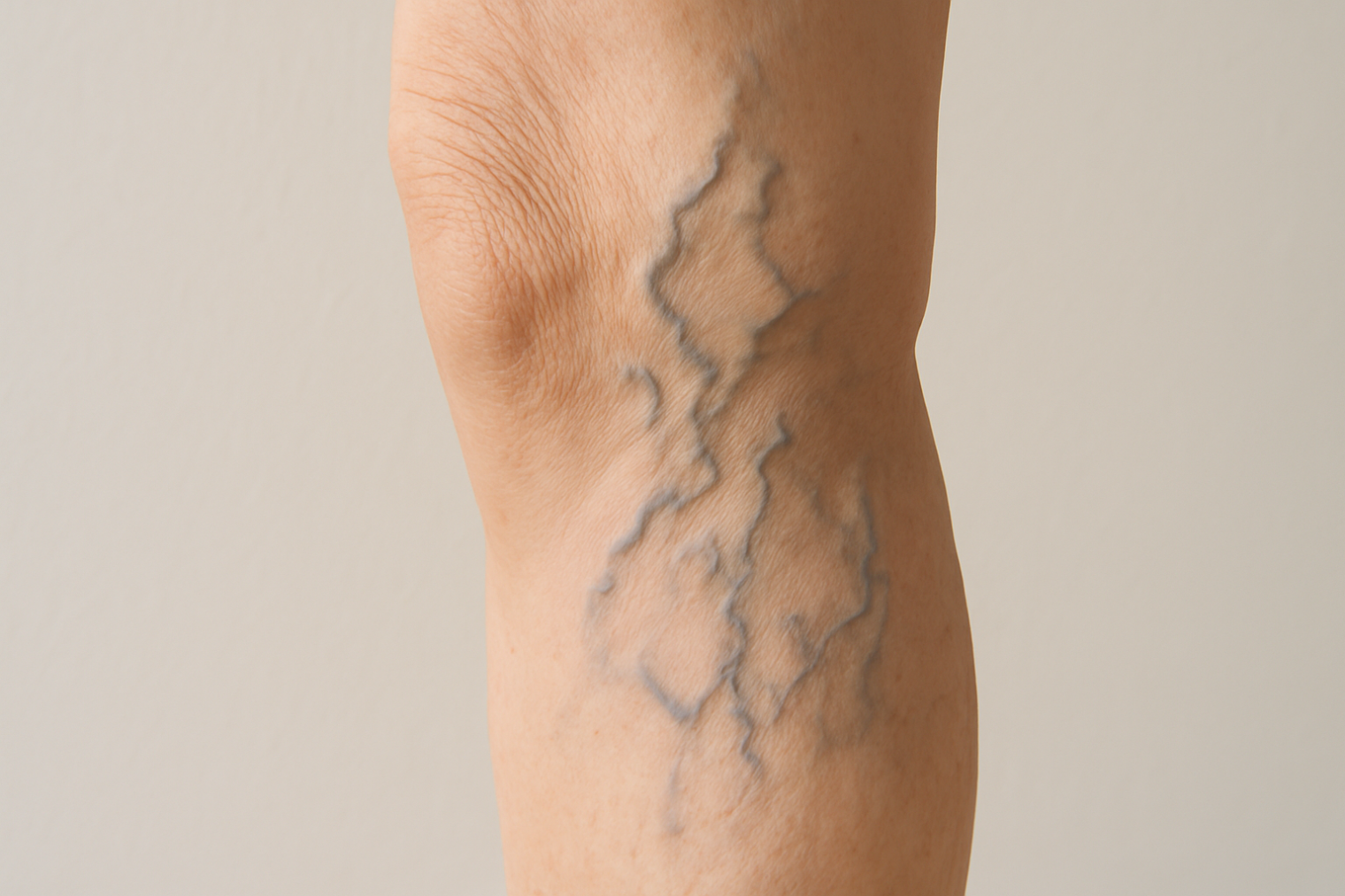
Varicose veins develop when weakened vein valves allow blood to flow backward and collect inside the veins. In the beginning, many people may notice only visible changes, such as bulging veins or a web-like appearance on the skin. However, as the condition progresses, symptoms can become more noticeable and uncomfortable.
Many individuals with untreated varicose veins experience aching, heaviness, or throbbing sensations in their legs. These symptoms often become worse after standing or sitting for extended periods because blood circulation becomes more difficult. Some people may also experience swelling around the ankles and lower legs, especially at the end of the day.
Ignoring these symptoms may allow the underlying vein problem to continue progressing. Over time, the increased pressure inside the veins can affect surrounding tissues and make daily activities more challenging. Simple tasks such as walking, exercising, or standing for long periods may become uncomfortable.
Untreated Varicose Veins May Cause Skin Changes
When varicose veins are left untreated, the increased pressure in the veins can gradually affect the skin around the affected areas. Poor circulation may reduce the amount of oxygen and nutrients delivered to the skin, leading to noticeable changes over time.
Some people develop darkened patches of skin, dryness, irritation, or a hardened texture near the ankles and lower legs. These changes often occur because blood is not moving efficiently through the veins. The skin may become more sensitive and vulnerable to damage.
In advanced cases, untreated vein disease can contribute to inflammation and tissue breakdown. The skin may become thinner and more difficult to heal after minor injuries. Even small cuts or scratches can take longer to recover because circulation is compromised.
Many people assume that visible veins are only a cosmetic issue, but changes in the skin can be a sign that the condition is affecting deeper circulation. Consulting a veins specialist can help identify whether these symptoms are connected to chronic venous insufficiency or another vein-related condition.
Varicose Veins Can Increase the Risk of Blood Clots
One concern associated with untreated varicose veins is the increased risk of blood-related complications. When blood pools inside damaged veins, it can create an environment where circulation becomes slower and less efficient.
In some cases, people with varicose veins may develop a condition called superficial thrombophlebitis, where a blood clot forms in a vein close to the surface of the skin. This can cause redness, tenderness, warmth, and swelling along the affected vein.
Although superficial clots are different from deeper blood clots, they should still be evaluated by a medical professional. A healthcare provider can determine the seriousness of the condition and recommend appropriate management.
People with persistent symptoms should not ignore changes such as sudden swelling, increased pain, or unusual tenderness. These signs may indicate that the vein condition requires professional attention.
A Varicose Veins Spider Veins Varicose Veins Doctor Veins Specialist can assess circulation, review symptoms, and recommend treatments designed to improve vein function. Modern vein care options can often address problematic veins through minimally invasive approaches.
Untreated Vein Problems May Lead to Leg Ulcers
Chronic vein problems can sometimes progress to more serious complications, including venous ulcers. These are open sores that commonly develop near the ankles when poor circulation prevents the skin from healing properly.
Venous ulcers often occur after years of increased pressure within the veins. The constant strain on surrounding tissues can weaken the skin and interfere with normal repair processes. Without appropriate treatment, these wounds may become painful and difficult to heal.
People with advanced vein disease may notice warning signs before ulcers appear. These can include persistent swelling, skin discoloration, itching, or changes in skin texture. Addressing these symptoms early may reduce the likelihood of severe complications.
Treatment for vein-related ulcers usually focuses on improving circulation and managing the underlying vein condition. A vein specialist can evaluate blood flow and recommend solutions based on the individual’s health needs.
Varicose Veins May Affect Daily Comfort and Lifestyle
Living with untreated varicose veins can affect more than physical health. Ongoing discomfort, swelling, and leg fatigue may interfere with everyday routines and reduce overall quality of life.
People who experience leg heaviness may find it difficult to remain active. Exercise and movement are important for healthy circulation, but discomfort may discourage individuals from participating in activities they enjoy.
Sleep can also be affected. Some people with vein problems experience nighttime leg cramps, aching sensations, or restless legs. These symptoms can interrupt rest and contribute to daytime fatigue.
The appearance of enlarged veins may also affect confidence. While varicose veins are a medical condition, many individuals feel self-conscious about visible changes in their legs and may avoid certain clothing or activities.
Seeking treatment from a qualified veins specialist can help address both the physical and emotional impact of vein problems. A proper diagnosis allows patients to understand their options and make informed decisions about care.
Spider Veins and Varicose Veins Should Not Be Ignored
Spider veins are smaller, visible blood vessels that often appear close to the skin’s surface. While they are usually less serious than varicose veins, they can sometimes occur alongside larger vein problems.
Many people view spider veins as only a cosmetic concern, but their presence may indicate changes in circulation. An evaluation can help determine whether they are connected to underlying venous issues.
Varicose veins and spider veins develop for different reasons, including genetics, aging, hormonal changes, prolonged standing, and weakened vein structures. Understanding the cause of these conditions helps determine suitable treatment options.
A professional Varicose Veins Spider Veins Varicose Veins Doctor Veins Specialist can examine the veins, evaluate blood flow, and explain whether treatment is needed. Depending on the condition, options may include minimally invasive procedures, lifestyle recommendations, or monitoring.
Ignoring visible vein changes may allow symptoms to progress. Even if discomfort is mild, an evaluation can provide valuable information about overall vein health.
Why Seeing a Vein Specialist Early Matters
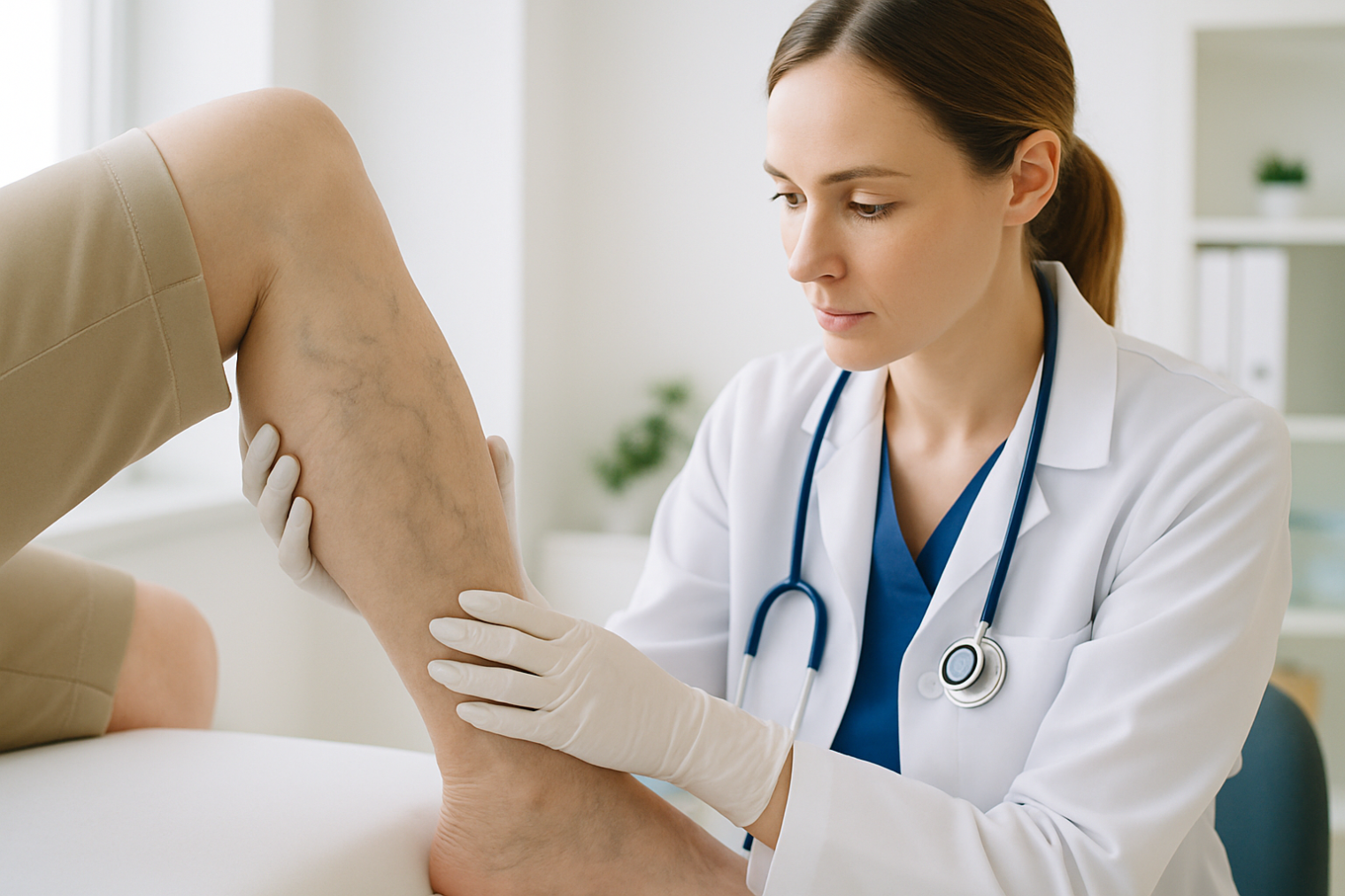
Early consultation with a vein specialist can make a significant difference in managing varicose veins. A specialist has the training and tools needed to identify the cause of vein problems and recommend appropriate care.
During an evaluation, the doctor may review symptoms, examine visible veins, and use diagnostic imaging to understand how blood is flowing through the veins. This helps create a personalized treatment plan based on each patient’s condition.
Modern vein treatments are often less invasive than many people expect. Many procedures are designed to improve circulation while minimizing discomfort and recovery time.
Waiting until symptoms become severe may limit options and increase the chance of complications. Early diagnosis allows patients to address vein concerns before they significantly affect daily life.
Treatment Options Can Help Prevent Varicose Vein Complications
The good news is that varicose veins can often be effectively managed with appropriate treatment. The right approach depends on the severity of symptoms, the condition of the veins, and individual health factors.
Some patients benefit from lifestyle adjustments, including regular movement, maintaining a healthy weight, and avoiding prolonged periods of sitting or standing. These habits can support better circulation and reduce pressure on the veins.
For patients requiring medical treatment, modern procedures can target problematic veins and improve blood flow. Many advanced techniques are performed with minimal downtime and allow patients to return to normal activities relatively quickly.
Professional treatment does not only focus on improving appearance. It also aims to reduce symptoms and prevent future complications associated with untreated vein disease.
Conclusion
Leaving varicose veins untreated may lead to increasing discomfort, skin changes, circulation problems, and complications such as ulcers or blood clots. While some vein concerns may begin as cosmetic changes, they can sometimes indicate deeper circulation issues that require professional attention.
Early evaluation by a qualified specialist can help identify the right treatment approach and prevent symptoms from becoming more serious. If you are experiencing varicose veins or spider veins, seeking expert guidance is an important step toward better vein health.
For professional vein care in Chicago, Charming Skin Vein Clinics provides specialized evaluation and treatment options designed to address vein concerns. Contact Charming Skin Vein Clinics at +1 630-974-1400 to schedule a consultation and learn more about improving your vein health.
https://www.buzzsprout.com/2645776/episodes/19735875
https://www.podomatic.com/podcasts/alishamorgan156podcast/episodes/2026-09-01T05_28_30-07_00
https://stream.redcircle.com/episodes/a052826e-2692-41bc-ac6c-c3c759b6370a/stream.mp3