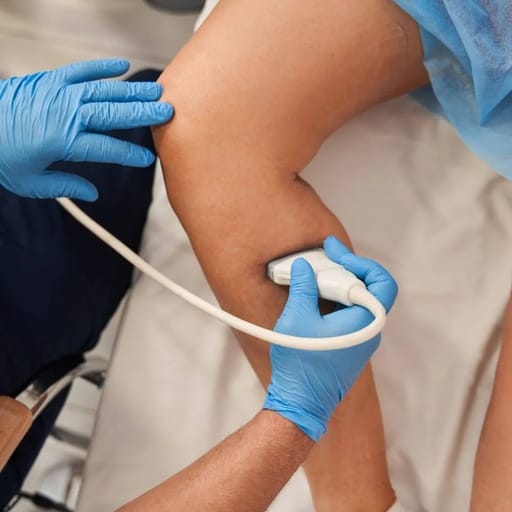
Varicose Veins are more than just a cosmetic concern. They are enlarged, twisted veins that often appear in the legs and can signal underlying issues with blood circulation. When left unmanaged, they may progress from mild discomfort to more serious health complications. Understanding what happens if a varicose vein is left untreated is important because early signs are often ignored until symptoms worsen. Many people assume the condition is harmless, but over time, it can affect daily comfort, mobility, and overall vein health. This article explains the possible progression, risks, and long term effects so you can make informed decisions about care and prevention.
Early Signs and Slow Progression of Vein Damage
In the early stages, vein changes may appear mild and easy to dismiss. Small bulging veins, heaviness in the legs, and occasional swelling are common. These symptoms often come and go, especially after long periods of standing or sitting. Because the discomfort is not constant, many individuals delay seeking medical attention.
Over time, weakened vein valves struggle to push blood back toward the heart. This leads to blood pooling in the lower legs, gradually increasing pressure inside the veins. The skin around the affected area may begin to feel tight or itchy. Fatigue in the legs becomes more noticeable, especially at the end of the day.
Without intervention, these early changes can slowly worsen. What starts as a mild concern can develop into visible vein enlargement and persistent discomfort that affects daily activities and quality of life.
How Circulation Declines When Varicose Veins Worsen
Varicose Veins can significantly affect blood circulation when they are not treated. Healthy veins rely on strong valve function to keep blood moving upward. When these valves weaken, blood begins to flow backward and collect in the lower limbs. This condition increases venous pressure and slows overall circulation.
As circulation declines, oxygen and nutrients are delivered less efficiently to surrounding tissues. This can cause persistent heaviness, swelling, and aching in the legs. People may also notice that symptoms worsen after long periods of inactivity or standing.
Poor circulation can also lead to skin changes such as discoloration or dryness. Over time, the skin may become more fragile and sensitive. These changes are signs that the vein system is under strain and struggling to maintain proper blood flow, which can affect overall leg health and comfort.
Pain, Swelling, and Daily Discomfort Over Time
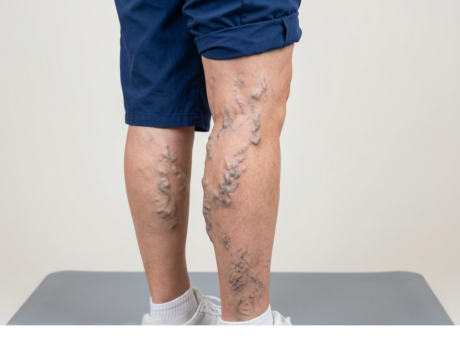
As Varicose Veins progress, physical discomfort often becomes more noticeable and persistent. What once may have been a minor ache can develop into ongoing pain, especially after physical activity or long hours of standing. The affected veins become more enlarged, increasing pressure in the surrounding tissues.
Swelling in the lower legs and ankles is a common development. This swelling may fluctuate throughout the day but often worsens in the evening. Shoes may feel tighter, and legs may feel heavy or restless when trying to sleep.
Daily activities can become more challenging as discomfort increases. Walking long distances, exercising, or even standing for routine tasks may cause fatigue. These symptoms can gradually interfere with lifestyle habits, making it important to monitor changes early before the condition becomes more disruptive.
Skin Changes and Risk of Discoloration
Varicose Veins can lead to noticeable changes in the skin when left untreated. Increased pressure in the veins affects surrounding tissues, causing the skin to appear discolored or darker over time. This often begins around the ankles and lower legs.
The skin may also become dry, itchy, or irritated. In some cases, it can take on a shiny appearance due to fluid buildup beneath the surface. These changes indicate that circulation is not functioning properly and that the tissue is not receiving enough oxygen and nutrients.
If the condition continues to progress, the skin may become more fragile and slow to heal. Even small injuries can take longer to recover. These visible changes are important warning signs that the underlying vein issue is advancing and should not be ignored.
Increased Risk of Inflammation and Vein Hardening
When Varicose Veins are not treated, chronic inflammation can develop in the affected areas. The veins may become more enlarged and rigid over time, leading to discomfort and tenderness. This happens because continuous blood pooling places stress on the vein walls.
Inflammation can also affect nearby tissues, causing redness and warmth in the lower legs. Some individuals may experience a burning sensation or increased sensitivity when touching the area. These symptoms may fluctuate but often become more frequent as the condition progresses.
Vein hardening is another possible outcome of long term strain. This reduces flexibility in the vein walls and further limits proper blood flow. As a result, symptoms can intensify and contribute to ongoing discomfort that affects mobility and quality of life.
Development of Venous Ulcers in Severe Cases
If Varicose Veins continue untreated for an extended period, complications such as venous ulcers may develop. These are open sores that typically appear around the lower legs or ankles due to prolonged pressure and poor circulation.
Venous ulcers often begin as small areas of irritated or damaged skin. Over time, they can expand and become painful, making it difficult to walk or wear regular footwear. Healing is often slow because blood flow to the area is limited.
These ulcers can also increase the risk of infection if not properly cared for. This stage represents a more advanced form of vein disease and highlights the importance of addressing vein issues before they reach this level of severity.
Risk of Blood Clots and Serious Complications
One of the more serious concerns with Varicose Veins is the increased risk of blood clots. When blood flow slows and pools in the veins, it creates an environment where clot formation is more likely. This condition is known as superficial vein thrombosis in some cases.
Symptoms may include localized pain, redness, and swelling in the affected vein. While not all clots are dangerous, some can extend deeper into the venous system and require immediate medical attention. This is why monitoring symptoms is essential.
In rare cases, complications can become more severe if clots affect deeper veins. Early awareness and proper management help reduce these risks and support healthier circulation in the long term.
Impact on Mobility and Lifestyle Quality
As Varicose Veins progress, they can begin to affect overall mobility. Persistent pain, swelling, and fatigue in the legs may make physical activity more difficult. Simple tasks such as walking, standing for long periods, or exercising can feel more tiring.
This reduction in mobility can also affect daily routines and lifestyle habits. Some individuals may begin avoiding activities they once enjoyed due to discomfort. Over time, this can lead to reduced physical fitness and overall energy levels.
The emotional impact should not be overlooked either. Ongoing discomfort and visible vein changes can affect confidence and quality of life. Addressing symptoms early can help maintain an active and comfortable lifestyle.
Importance of Early Medical Evaluation and Care
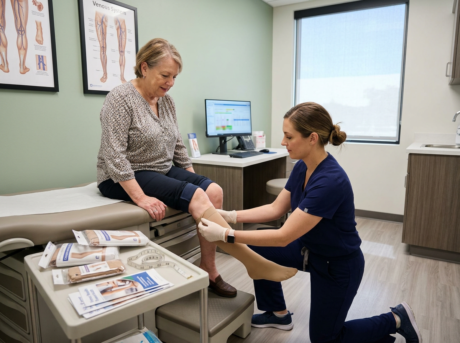
Seeking early evaluation for Varicose Veins is important to prevent long term complications. A medical professional can assess vein health and recommend appropriate management options based on severity. Early care often helps reduce symptom progression and improves comfort.
Treatment options may include lifestyle adjustments, compression support, or minimally invasive procedures depending on the condition. Early intervention is generally more effective and less complicated than addressing advanced stages.
Regular monitoring of symptoms also helps track changes over time. Paying attention to early warning signs can make a significant difference in maintaining healthy circulation and preventing more serious outcomes.
Conclusion
When Varicose Veins are left untreated, they can gradually progress from mild discomfort to more serious complications such as skin changes, inflammation, ulcers, and reduced mobility. Early signs should not be ignored, as timely care can help prevent long term damage and improve quality of life. Understanding these risks allows individuals to take proactive steps toward better vein health.
For professional evaluation and care, you can contact Charming Skin Vein Clinics in Chicago at +1 630-974-1400. Their team can help assess your condition and guide you toward appropriate treatment options for healthier, more comfortable legs.