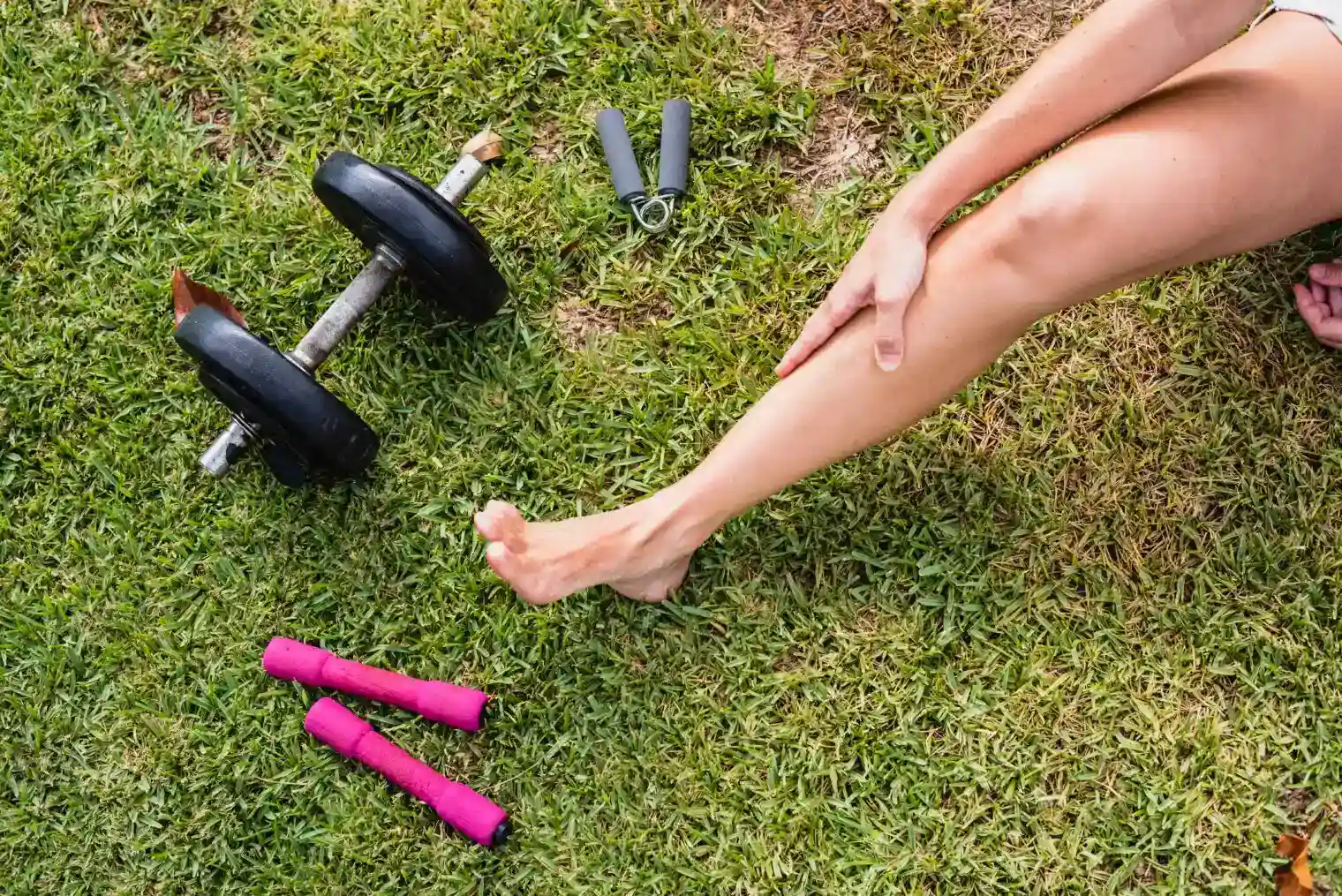
Varicose veins and spider veins can cause aching, heaviness, swelling, and discomfort in the legs. Regular exercise may help improve circulation by encouraging the calf muscles to move blood back toward the heart. Knowing which activities are appropriate can make it easier to stay active while supporting better leg health. A Varicose Veins Doctor or Veins Specialist can also evaluate symptoms and recommend treatment when exercise alone is not enough. This guide covers exercises that may support circulation, activities to approach carefully, and ways to make movement part of your daily routine.
Walking for Better Circulation
Walking is one of the easiest exercises for people concerned about varicose veins. Every step activates the calf muscles, helping encourage blood flow from the lower legs toward the heart.
A 20- to 30-minute moderate walk can be a good starting point if you are comfortable exercising. If a longer walk feels difficult, divide it into shorter sessions throughout the day.
Regular walking can also support a healthy weight, potentially reducing pressure on the veins. Consistency is more important than occasional intense workouts.
If walking causes significant pain or swelling, stop and speak with a healthcare professional. Exercise can support circulation, but it cannot repair damaged veins.
Swimming and Water Exercise
Swimming is a low-impact activity that can be comfortable for people experiencing leg discomfort. Water supports the body while allowing the legs to move continuously without placing excessive stress on the joints.
Water walking is another option. Walking through a pool provides resistance while encouraging movement of the calves and thighs.
The pressure of the water may also feel soothing for legs that become tired or swollen after standing for long periods.
Choose an intensity that feels comfortable and avoid pushing through significant pain. If symptoms continue despite regular activity, a Varicose Veins Doctor can evaluate your condition and discuss appropriate options.

Cycling for Leg Movement
Cycling provides repeated movement of the legs and activates the calf and thigh muscles. Both stationary and outdoor cycling can be useful forms of low-impact cardiovascular exercise.
A stationary bike allows you to control resistance and exercise indoors. Begin with a comfortable resistance and gradually increase your workout duration as your fitness improves.
You do not need extremely high resistance to benefit from cycling. The goal is consistent, comfortable movement rather than exhausting your legs.
If cycling increases pain, swelling, or other unusual symptoms, reduce the intensity or stop and seek professional advice. For people with Varicose Veins or Spider Veins, cycling can be one part of a broader approach to maintaining healthy circulation.
Calf Raises
Calf raises are a simple exercise that can be performed at home or during breaks at work. They strengthen the calf muscles, which help support circulation in the lower legs.
To perform a calf raise, stand upright while holding a stable surface for balance. Slowly raise your heels, pause briefly, and then lower them in a controlled manner.
You can perform calf raises throughout the day, including while waiting for food to cook or taking a break from sitting. Controlled movements are more important than completing repetitions quickly.
Calf raises will not remove existing varicose veins, but strengthening the calf muscles may support their role in moving blood through the legs.
If you have significant vein symptoms or are unsure whether this exercise is appropriate, consult a Veins Specialist for individualized guidance.
Ankle Flexes and Circles
Ankle exercises are particularly useful for people who spend much of the day sitting. Long periods of inactivity can reduce muscle movement in the legs and contribute to blood pooling.
While seated, point your toes away from your body and then gently pull them toward you. Repeat this movement several times to activate the muscles around your lower legs.
You can also slowly rotate your ankles in circles in both directions. These movements are simple enough to perform while working, traveling, or watching television.
Try to take regular movement breaks as well. Standing up and walking around for a few minutes can provide more activity than remaining seated continuously.
Sudden or severe swelling, particularly in one leg, should not simply be treated with exercise. Contact a healthcare professional promptly if you experience concerning or unusual symptoms.
Gentle Leg Lifts
Leg lifts can strengthen the legs while providing a gentle form of movement. They can be performed lying down or standing with support, depending on your comfort and fitness level.
For a basic leg lift, lie comfortably on your back and slowly raise one straight leg. Lower it gradually, then repeat on the other side.
Avoid using momentum and keep the movement controlled. Stop if you experience pain, cramping, or worsening symptoms.
Leg lifts can complement walking, swimming, or cycling, but they should not replace regular movement throughout the day.
Your exercise routine should match your health needs. A Veins Specialist can provide personalized recommendations if you have diagnosed vein problems or persistent symptoms.
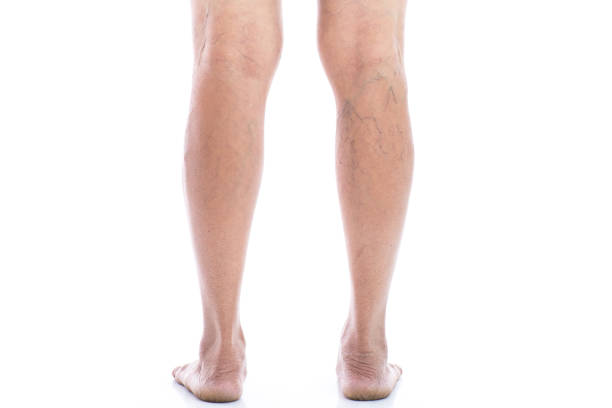
Yoga and Gentle Stretching
Gentle yoga and stretching can help maintain flexibility and encourage regular movement. Many yoga routines involve changing positions and moving the legs, which can be helpful after extended periods of sitting or standing.
Simple leg-elevation positions may also feel comfortable for some people. Resting the legs on a supportive surface for a short period can provide relaxation after a busy day.
Choose beginner-friendly movements and avoid poses that cause pain or excessive pressure on your legs. Stretch slowly and never force a joint or muscle.
Yoga should be considered a supportive activity rather than a treatment for damaged veins. Combining stretching with walking or another cardiovascular activity can create a balanced exercise routine.
If you have significant vein symptoms, ask a healthcare professional which movements are most appropriate for you.
Exercises to Approach Carefully
Not every exercise is suitable for everyone with vein problems. High-impact activities, repeated jumping, intense running, or very strenuous workouts may increase discomfort for some people.
This does not mean everyone with varicose veins must avoid higher-intensity exercise. Your symptoms, fitness level, overall health, and medical history should be considered when choosing an exercise program.
Heavy lifting may also require caution, particularly if you strain or hold your breath while exercising. Proper technique and controlled breathing are important during strength training.
Pay attention to how your legs feel during and after exercise. Increased pain, significant swelling, skin changes, or unusual symptoms should be evaluated rather than ignored.
When you have Varicose Veins or Spider Veins, a professional assessment can help determine whether you should modify certain activities.
How Often Should You Exercise?
Consistency is one of the most important parts of maintaining an active lifestyle. Moderate physical activity on most days can help support circulation and overall cardiovascular health.
If you have not exercised recently, begin with short sessions. For example, a brief walk in the morning and another in the evening may be easier to maintain than one long workout.
If your job requires extended sitting, take regular movement breaks. Walking around, performing ankle movements, or completing a few calf raises can help interrupt long periods of inactivity.
Gradually increase the duration or intensity as your fitness improves. Choose activities you enjoy so they are easier to maintain long term.
Exercise should complement medical care when vein symptoms persist. A Varicose Veins Doctor can help determine whether lifestyle changes are enough or whether additional evaluation is needed.
When to See a Vein Specialist
Exercise may support circulation, but persistent symptoms can require professional evaluation. Consider seeing a vein specialist if you experience ongoing leg aching, heaviness, swelling, itching, or increasingly visible veins.
A specialist can examine your legs and determine whether diagnostic testing is appropriate. Depending on the underlying problem, treatment may range from lifestyle recommendations to minimally invasive procedures.
Sudden swelling, significant pain, warmth, redness, or other acute symptoms should receive prompt medical attention rather than being managed through exercise alone.
If you are concerned about Varicose Veins or Spider Veins in Chicago, professional evaluation can help you understand your condition and treatment options.
Conclusion
Regular movement can support circulation and help maintain healthier, stronger legs. Walking, swimming, cycling, calf raises, ankle exercises, gentle leg lifts, and stretching are practical activities that may fit into many routines. However, exercise cannot correct every underlying vein problem.
If symptoms persist, worsen, or interfere with daily activities, professional evaluation is important. A Varicose Veins Doctor or Veins Specialist can determine whether further testing or treatment is appropriate.
For Chicago residents seeking professional care for vein concerns, Charming Skin Vein Clinics can help you explore available options. To discuss your concerns or learn more, call 630-974-2400.