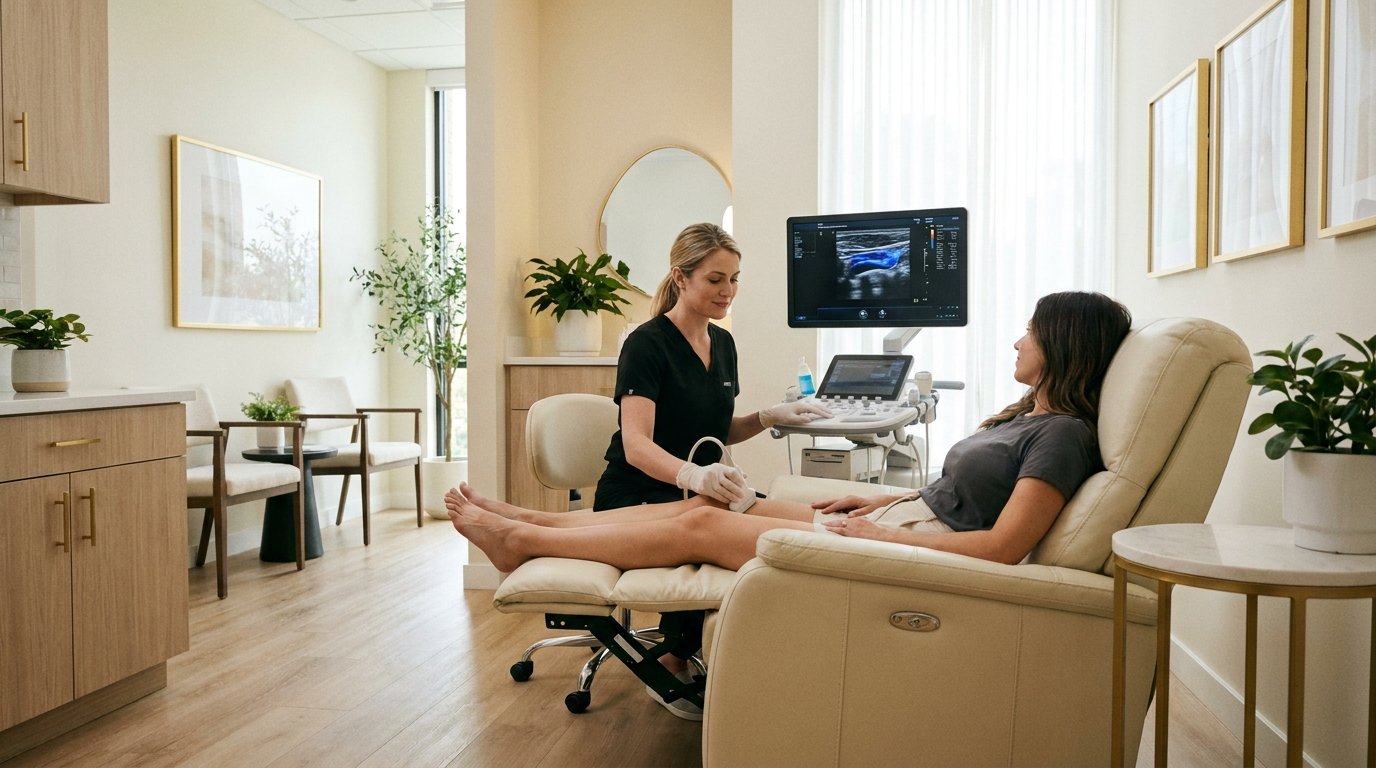
Varicose Veins can be managed in several ways, ranging from daily movement and compression to minimally invasive procedures that close or remove a faulty vessel. The best option is not simply the newest technique or the fastest appointment. It depends on symptoms, ultrasound findings, vessel size, medical history, treatment goals, and whether the concern is cosmetic or medically significant. Understanding the difference between appearance and symptoms helps patients know when simple home measures may be reasonable and when a medical evaluation is more appropriate. This guide reviews causes, examination steps, treatment considerations, realistic expectations, and warning signs connected to the topic. It is educational only and does not assume that every visible vessel requires a procedure. The goal is to support informed questions without creating unnecessary alarm or false reassurance.
How Varicose Veins Are Treated
The central question is not only what can be seen through the skin, but whether the affected vessels are producing symptoms or reflecting backward blood flow. A careful plan begins with the patient’s goals and health history, then uses examination and imaging only when they add useful information. That approach helps avoid both undertreatment of meaningful symptoms and unnecessary procedures for findings that can be safely observed. It also creates a useful baseline for follow-up when symptoms change or prior treatment has already been attempted.
Conservative Steps That May Ease Symptoms
Conservative steps may reduce discomfort even though they do not remove every visible vessel. Walking, changing position regularly, elevating the legs, maintaining a healthy weight, and avoiding long stretches of immobility can support the calf-muscle pump and lower pressure in the legs.
These habits work best when they fit the person’s health status and daily routine. Someone with heart, artery, nerve, or mobility problems should ask a qualified clinician before making major exercise or compression changes.

How Compression Stockings May Help
Graduated compression stockings apply the greatest pressure near the ankle and gradually less pressure higher on the leg. They may help with swelling, aching, and heaviness, especially during work, travel, pregnancy, or recovery after a procedure.
Correct sizing and pressure level matter. Stockings that are too tight, folded, or poorly fitted can irritate the skin, and compression may be unsuitable for certain artery conditions, so professional guidance is preferable to choosing the strongest product without an assessment.
What to Know About Sclerotherapy
Sclerotherapy involves injecting a solution or foam into a targeted vessel so its walls seal and the body gradually redirects blood through healthier pathways. It is often considered for fine surface vessels and selected small-to-medium abnormal veins.
Several sessions may be needed, and temporary bruising, redness, tenderness, or skin discoloration can occur. A clinician should review allergies, medications, pregnancy status, clotting history, and other risks before recommending the procedure.
How Endovenous Ablation Works
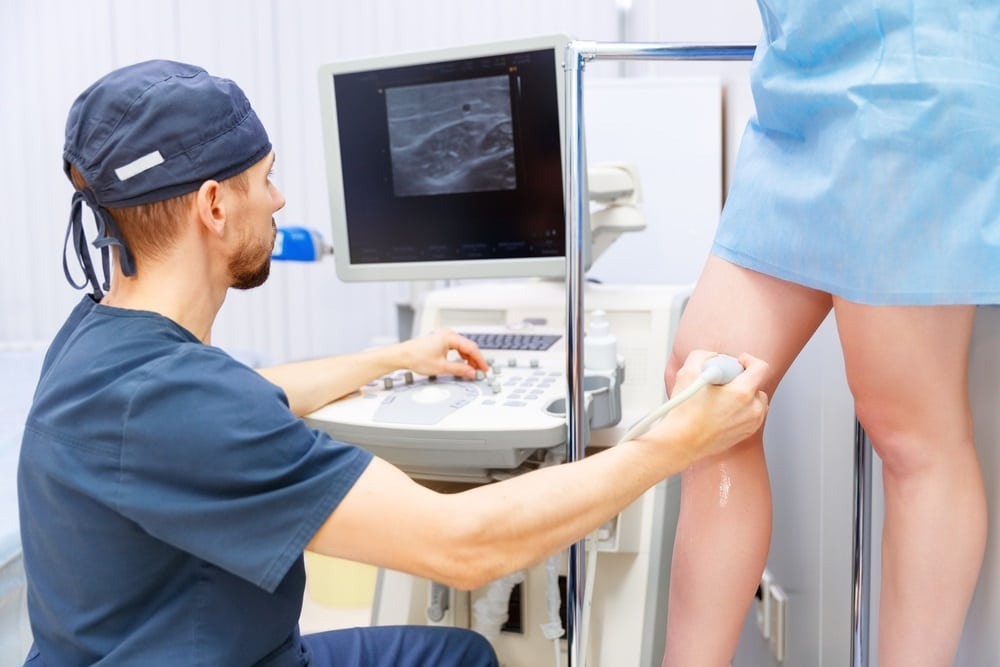
Endovenous thermal ablation uses laser or radiofrequency energy delivered through a thin catheter to close a poorly functioning vein. Ultrasound guidance helps the clinician position the catheter and protect surrounding tissue while the diseased vessel is treated.
For selected patients, closing the refluxing source behind Varicose Veins can reduce pressure before smaller visible branches are treated.
Many patients return to light activity quickly, but recovery instructions vary. Bruising, tightness, soreness, or temporary numbness may occur, while more serious complications such as clotting or nerve injury are uncommon but require clear aftercare instructions and follow-up.
When Ambulatory Phlebectomy Is Considered
Ambulatory phlebectomy removes selected bulging surface branches through very small skin openings. The procedure is often performed with local anesthesia and may be combined with another treatment when both a faulty source vein and visible branches need attention.
Small dressings, compression, bruising, and temporary tenderness are common parts of recovery. The recommendation depends on vessel size, location, ultrasound findings, symptoms, and the clinician’s assessment of the safest approach.
What Recovery and Follow-Up May Involve
After an office-based vein procedure, patients are commonly encouraged to walk and avoid prolonged inactivity. Instructions may include temporary compression, limits on strenuous exercise, wound care, sun protection, and a follow-up visit or ultrasound.
Recovery is not identical for every technique or patient. Asking for written guidance, expected milestones, warning signs, and a contact number can prevent confusion once the patient is home.
Why New Visible Veins Can Develop Later
Treatment can close or remove a targeted abnormal vessel, but it does not permanently change every risk factor in the venous system. Other valves may weaken over time, previously tiny branches may enlarge, or hormonal and lifestyle changes may contribute to new visible vessels.
Recurrence does not automatically mean the first procedure failed. Follow-up imaging and examination can determine whether the original vessel remained closed, whether a new pathway developed, and which options are reasonable now.
Understanding Costs and Insurance Review
The cost of care depends on the type of evaluation, whether ultrasound is needed, the number and size of vessels treated, the procedure selected, and whether the goal is cosmetic or medically necessary. A quoted package price does not always include imaging, compression, follow-up, or treatment of additional areas.
Patients should request a written estimate and ask what insurance documentation is required. Coverage decisions are made by the health plan, so a clinic cannot promise approval even when symptoms are significant.
Conclusion
Varicose Veins Treatment should match the underlying anatomy, not just the most visible area. Conservative measures may improve symptoms, while injections, ablation, or removal of selected branches may be considered when examination and imaging support them. In Oak Brook, Charming Skin Vein Clinics (Oakbrook) can be contacted at 630-974-2400 to discuss an evaluation and learn which options may fit the patient’s symptoms, medical history, and goals. Results, recovery, and insurance decisions vary, and no procedure should be guaranteed before an examination. Patients should ask for a clear diagnosis, alternatives, possible complications, aftercare instructions, and expected follow-up. Follow written aftercare instructions and keep any recommended follow-up appointments. Active bleeding, sudden one-sided swelling, chest pain, or shortness of breath requires urgent or emergency medical attention rather than a routine appointment.
Medical information note: This educational article was reviewed against patient resources from the National Heart, Lung, and Blood Institute, MedlinePlus, and the Society for Vascular Surgery. It does not provide a diagnosis or replace individualized medical advice.
https://www.spreaker.com/episode/what-are-the-best-treatment-options-for-varicose-veins–74717500
https://www.podomatic.com/podcasts/kateellis199472podcast/episodes/2026-08-27T06_28_52-07_00
https://stream.redcircle.com/episodes/f794c896-cd28-4333-8874-1e352fb26914/stream.mp3