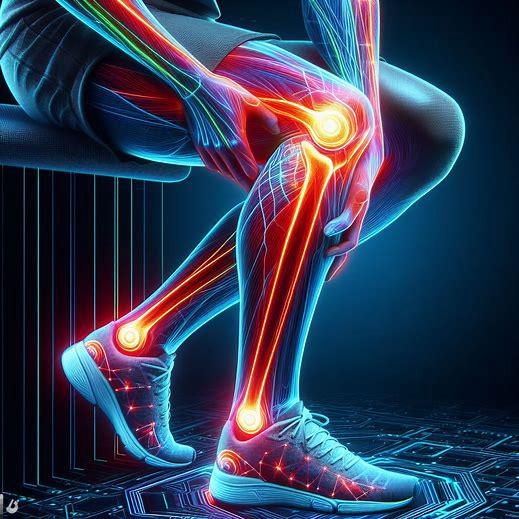
If you live with achy, heavy, or swollen legs, or you notice bulging veins, you may not need surgery to feel better. Most leg vein problems today are treated with minimally invasive, office-based procedures that use small needles or catheters instead of large incisions. At Charming Skin & Vein Clinics, our care is led by Dr. Abboud, who brings more than 20 years of experience in vascular and vein care. This article explains what minimally invasive treatment for leg veins involves and how we help patients move through it.
What “Minimally Invasive” Means for Leg Veins
Older vein surgery often meant removing veins through incisions and a longer recovery. Modern treatment closes or fades problem veins from the inside, so most people return to normal daily activity quickly. These approaches are typically done in our office and guided by ultrasound, which lets us see the vein and confirm the problem before we treat it. If you are unsure whether your symptoms come from your veins, an ultrasound vein evaluation is usually the first step.
Common reasons patients come in include:
- Leg aching, heaviness, or fatigue after standing
- Swelling around the ankles by the end of the day
- Bulging varicose veins or clusters of spider veins
- Skin changes or restless legs at night
Treatment Options We Use
There is no single right answer for every leg. After an evaluation, we discuss which option fits your veins and your goals. Approaches we offer include:
- Endovenous laser (EVLA) — a thin laser fiber uses heat to close a faulty vein through a single small access point.
- Varithena foam treatment — a foam medication that treats certain veins without heat or incisions.
- VenaSeal closure — a medical adhesive that seals the vein, often without the need for compression stockings afterward.
For smaller surface veins, in-office injections can fade their appearance over time. We will tell you honestly which veins are medical and which are cosmetic, so you can make an informed choice.
Recovery and What to Expect
Because these procedures are minimally invasive, most patients walk out the same day and resume light activity soon after. Your specific instructions depend on which treatment you have. Compression therapy is often part of recovery and supports healing and comfort. We will review activity, follow-up, and any restrictions with you directly so there are no surprises.
Cost, Insurance, and Getting Started
Many leg vein problems are medical, not just cosmetic. Most PPO plans and Medicare cover treatment for symptomatic veins. Cosmetic vein work, such as treating purely surface spider veins, is self-pay. We are happy to help you understand your options before you commit to anything. If you would like to learn more about the symptoms behind leg vein disease, see our overview of vein symptoms and conditions.
Charming Skin & Vein Clinics serves patients at three locations: Chicago (5907 W. 63rd St.), Oak Brook (2425 W. 22nd St. #205), and Orland Park (10 Orland Square Dr.). Ready to find out what is causing your leg symptoms? Book a Free Vein Screening or call us at 630-974-1400.