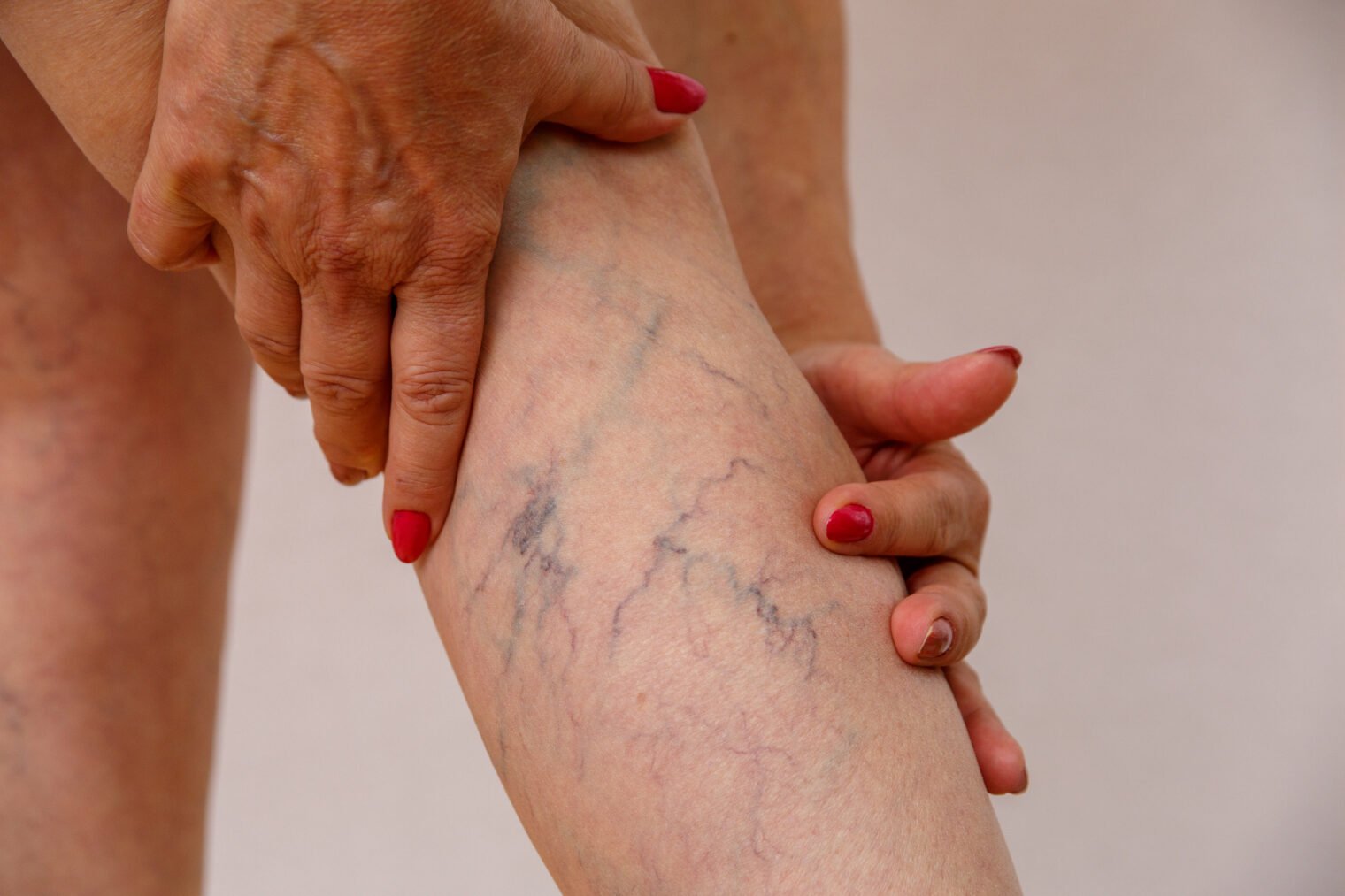
If you’ve been told you need treatment for varicose veins, the next question is usually which procedure is right for you. Several modern, minimally invasive options exist, and they work in different ways. This guide compares four of the most common approaches we use at Charming Skin & Vein Clinics so you can have a more informed conversation at your visit. The right choice depends on which vein is involved, your symptoms, and what an ultrasound vein evaluation shows. Care here is led by Dr. Abboud, who brings 20+ years of experience, training at the University of Damascus, and residency at Cook County Hospital and John H. Stroger Jr. Hospital in Chicago.
Sclerotherapy
Sclerotherapy treats smaller veins by injecting a solution directly into the vein, causing it to close and fade over time. It is most often used for spider veins and small surface varicose veins rather than large underlying ones. The procedure is quick, requires no anesthesia, and you can typically return to normal activity the same day. More than one session may be needed depending on how many veins are treated.
Endovenous Laser Ablation (EVLA)
For larger varicose veins caused by a faulty underlying vein, endovenous laser ablation is a common option. A thin laser fiber is guided into the vein under ultrasound, and laser energy is used to seal it closed so blood reroutes to healthier veins. EVLA is performed in the office through a small entry point and generally allows a quick return to daily activities. It is often chosen when the goal is to address the source of the problem rather than just the surface vein.
Varithena and VenaSeal
Two newer approaches give us additional ways to close a problem vein without heat-based laser energy:
- Varithena uses a prepared foam medication that is injected to fill and close the vein. It can reach veins that are twisted or harder to treat with a catheter.
- VenaSeal closes the vein using a medical adhesive delivered through a catheter, sealing it shut. Because it does not use heat, it often requires little or no numbing along the vein.
Both are minimally invasive and done in the office. Which one fits depends on the size, location, and shape of the vein, along with your overall health.
How We Help You Choose
Choosing a treatment starts with diagnosis, not the procedure itself. We begin with an ultrasound evaluation to map how blood is flowing and identify which veins are causing symptoms such as aching, swelling, or heaviness. In some cases compression therapy is recommended first or alongside treatment. Most PPO plans and Medicare cover treatment for symptomatic veins; cosmetic vein work is self-pay. We see patients at three locations: Chicago (5907 W. 63rd St.), Oak Brook (2425 W. 22nd St. #205), and Orland Park (10 Orland Square Dr.).
To find out which option may suit your veins, Book a Free Vein Screening or call 630-974-1400.