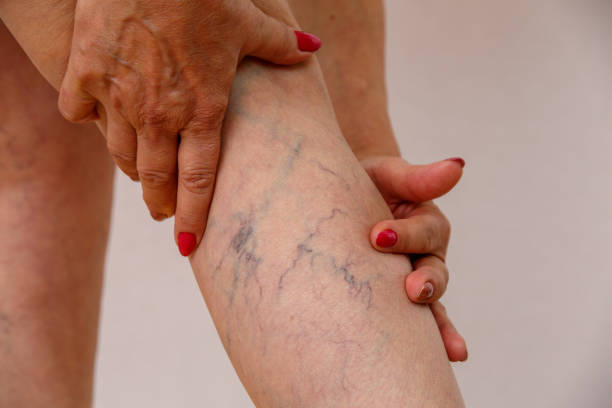
Varicose veins are more than a cosmetic concern. When valves inside the leg veins stop working properly, blood pools instead of flowing back toward the heart, which can lead to aching, swelling, heaviness, and visible bulging veins. Comprehensive vein care looks at the whole picture, from an accurate diagnosis to a treatment plan matched to your symptoms. Here is what thoughtful, complete varicose vein care actually involves.
It Starts With an Accurate Diagnosis
Good treatment begins with understanding what is happening beneath the surface. A painless ultrasound vein evaluation maps how blood is moving through your leg veins and identifies which valves are not closing as they should. This step matters because the visible veins on the surface are often connected to deeper veins that need to be addressed first.
Dr. Abboud brings more than 20 years of experience to this process. A graduate of the University of Damascus, he completed his residency at Cook County Hospital and John H. Stroger Jr. Hospital in Chicago, and he uses that background to read each case carefully before recommending a path forward.
Matching the Treatment to the Problem
There is no single approach that fits every patient. Comprehensive care means choosing from a range of modern, minimally invasive options based on your ultrasound findings and how your legs feel day to day. Depending on the situation, that may include:
- Endovenous laser treatment (EVLA) to close larger, non-working veins so blood reroutes to healthy ones
- Varithena foam treatment for certain twisted or hard-to-reach veins
- VenaSeal closure, a medical adhesive approach that often requires little downtime
- Treatment for related spider veins once the underlying varicose veins are managed
You can read more about the full range on our varicose vein treatment page. The goal is always to relieve symptoms and support healthier circulation, not to push a one-size-fits-all procedure.
Care Continues After the Procedure
Comprehensive treatment does not end when a vein is closed. Recovery support, follow-up, and ongoing leg health all play a role. Compression therapy is often part of the plan, helping to reduce swelling and support the veins as your legs heal. Understanding your own vein symptoms and conditions also helps you recognize changes early and stay ahead of any new concerns.
Coverage and Where We Help
Most PPO plans and Medicare cover treatment for symptomatic veins, so many patients are surprised to learn that addressing aching, swelling, or heaviness may be covered. Purely cosmetic vein work is self-pay. We are happy to talk through your specific situation before you commit to anything.
Care is available across three locations: Chicago (5907 W. 63rd St.), Oak Brook (2425 W. 22nd St. #205), and Orland Park (10 Orland Square Dr.).
If your legs have been bothering you and you want to understand your options, we are glad to help. Book a Free Vein Screening or call us at 630-974-1400 to get started.