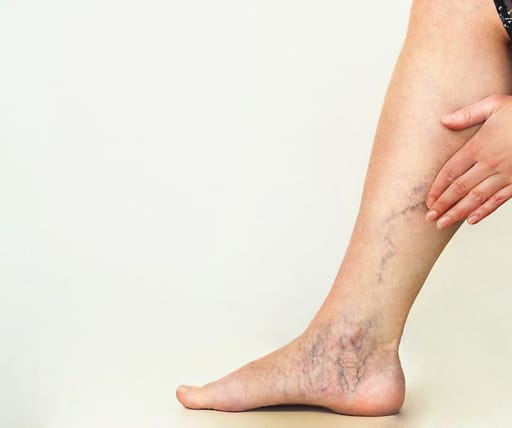
If you are looking for expert care for vascular health, a vascular surgeon can provide the guidance and treatment you need. Vascular surgeons specialize in diagnosing and treating disorders of the blood vessels, including arteries, veins, and lymphatic systems. These conditions, if left untreated, can lead to serious complications such as blood clots, varicose veins, or even life-threatening arterial blockages. Finding a qualified vascular surgeon near you ensures that you receive timely care and personalized treatment plans tailored to your specific needs. In Chicago, local specialists offer advanced procedures combined with compassionate care, helping patients maintain optimal vascular health. Understanding the services offered by a vascular surgeon is essential for anyone experiencing circulatory issues or seeking preventative care. This guide highlights the most important aspects of vascular surgery services and what you should look for in a trusted provider.
What Does a Vascular Surgeon Do?
A vascular surgeon is a medical professional who focuses on conditions affecting the circulatory system, which includes veins, arteries, and lymphatic vessels. Their work involves both diagnosing problems and performing treatments to restore proper blood flow. Common issues treated by vascular surgeons include varicose veins, deep vein thrombosis, peripheral artery disease, and aneurysms.
Vascular surgeons combine non-invasive techniques such as ultrasounds and imaging with surgical interventions when necessary. They also play a vital role in preventive care, identifying risk factors like high cholesterol, hypertension, or diabetes that can affect vascular health. Consulting a vascular surgeon early can prevent complications and improve long-term outcomes.
Modern vascular surgery often involves minimally invasive procedures, which means less pain, shorter recovery times, and fewer hospital visits. Whether you need endovenous laser therapy, stent placements, or traditional surgical interventions, a qualified vascular surgeon can assess your condition and recommend the safest and most effective treatment.
Common Conditions Treated by Vascular Surgeons
Vascular surgeons address a wide range of circulatory system problems. Some of the most common conditions include varicose veins, spider veins, peripheral artery disease, and aneurysms. Varicose veins occur when veins become enlarged and fail to circulate blood efficiently, often causing discomfort or swelling. A vascular surgeon can perform minimally invasive treatments to relieve pain and improve circulation.
Peripheral artery disease (PAD) involves the narrowing of arteries, typically in the legs, which can lead to pain while walking or even severe complications if untreated. Deep vein thrombosis (DVT) is another serious condition where blood clots form in deep veins, requiring urgent evaluation by a vascular surgeon to prevent life-threatening consequences.

Diagnostic Services Offered by Vascular Surgeons
Before treatment, a vascular surgeon conducts a thorough evaluation to diagnose circulatory issues accurately. Diagnostic services often include imaging tests such as duplex ultrasound, CT angiography, and magnetic resonance angiography (MRA). These tests allow the surgeon to visualize blood flow and detect blockages, clots, or vein abnormalities.
A comprehensive evaluation may also include ankle-brachial index testing, which compares blood pressure in the ankle and arm to detect peripheral artery disease. Blood tests and physical examinations are additional tools a vascular surgeon uses to identify risk factors and assess overall vascular health.
Accurate diagnosis is crucial because it informs the best treatment approach. Minimally invasive procedures may be sufficient for some patients, while others might require more advanced surgical interventions. By relying on precise diagnostic data, a vascular surgeon ensures that treatment is both safe and effective.
Minimally Invasive Procedures
Many vascular surgeons now specialize in minimally invasive procedures, which reduce recovery time and minimize risks compared to traditional surgery. Endovenous laser therapy (EVLT) and radiofrequency ablation are common treatments for varicose veins. These procedures use heat to close off damaged veins, redirecting blood flow to healthier vessels.
Angioplasty and stent placement are minimally invasive techniques used to treat narrowed or blocked arteries. These procedures restore proper blood flow without the need for large incisions. A vascular surgeon carefully evaluates each patient to determine the most suitable minimally invasive option, balancing effectiveness with safety.
Another benefit of minimally invasive procedures is the reduction of post-operative discomfort and hospital stays. Many treatments can be performed on an outpatient basis, allowing patients to return home the same day. Cosmetic outcomes are also improved, as scars and tissue damage are minimized.
Surgical Interventions
While minimally invasive procedures are ideal for many patients, certain conditions require traditional surgery. A vascular surgeon is trained in open surgical techniques to treat complex issues like large aneurysms, severe arterial blockages, or advanced varicose vein disease.
Surgical interventions can include bypass surgery, where a vessel is rerouted to bypass a blockage, or vein stripping, a procedure to remove diseased veins. In some cases, arterial reconstruction is necessary to restore proper blood flow and prevent tissue damage. A vascular surgeon carefully plans these procedures, considering the patient’s overall health and risk factors.
Hospitalization may be required for more extensive surgeries, but outcomes are often life-saving and dramatically improve circulation. Post-surgical care is also an essential part of recovery, and vascular surgeons provide comprehensive guidance to ensure healing and prevent complications.
Preventive Care and Lifestyle Advice
A vascular surgeon not only treats existing conditions but also provides guidance on maintaining long-term vascular health. Preventive care often includes recommendations for exercise, diet, and lifestyle changes that improve circulation and reduce the risk of vascular disease.
Regular physical activity, such as walking or swimming, helps strengthen blood vessels and encourages proper blood flow. Maintaining a healthy weight and controlling cholesterol, blood pressure, and blood sugar levels are also key preventive measures. A vascular surgeon may suggest specific exercises to target leg veins or arterial health.
Lifestyle factors, including smoking cessation, hydration, and avoiding prolonged sitting or standing, play a critical role in vascular health. By incorporating these recommendations, patients can prevent complications like varicose veins or peripheral artery disease.
Routine checkups with a vascular surgeon allow early detection of subtle changes in circulation, enabling proactive interventions. Even minor symptoms such as leg cramps, swelling, or visible veins should be evaluated to prevent progression. By combining professional guidance with lifestyle modifications, patients can enjoy healthier veins and arteries and reduce the need for invasive treatments.

Choosing the Right Vascular Surgeon in Chicago
Selecting a qualified vascular surgeon is crucial to receiving safe and effective care. When searching in Chicago, look for a surgeon with board certification, extensive experience, and a reputation for compassionate patient care. Patient reviews and testimonials can provide insight into the quality of services offered.
It’s also important to choose a vascular surgeon who uses modern diagnostic tools and minimally invasive techniques, as these methods improve outcomes and recovery times. Availability for consultations, clear communication, and personalized treatment plans are additional factors to consider when evaluating potential providers.
Advanced Technologies in Vascular Care
Modern vascular surgeons leverage advanced technologies to enhance diagnosis and treatment. High-resolution imaging, laser therapies, and catheter-based interventions allow precise evaluation and minimally invasive treatment. These tools improve surgical accuracy, reduce recovery times, and minimize complications.
Endovenous laser treatment (EVLT) and radiofrequency ablation are examples of technologies that address vein disorders effectively. For arterial issues, stent placements and balloon angioplasty restore circulation without requiring open surgery. Using these advanced tools, a vascular surgeon can customize treatment to each patient’s anatomy and condition.
Technology also improves patient education and monitoring. Non-invasive imaging allows for accurate assessments during follow-up visits, ensuring treatments are successful and any potential issues are detected early. A vascular surgeon who stays current with technological advancements provides patients with cutting-edge care.
Preparing for Your Vascular Surgery Appointment
Before meeting a vascular surgeon, patients should gather relevant medical records, medication lists, and a history of previous vascular issues. This information helps the surgeon assess your condition accurately and plan appropriate treatments.
During the consultation, the vascular surgeon may perform a physical exam, review imaging results, and discuss potential procedures. It’s important to ask questions about risks, benefits, recovery, and alternatives to ensure informed decision-making.
Preparing mentally and physically for the appointment also contributes to better outcomes. Patients should follow pre-appointment instructions, such as fasting before specific tests or wearing loose clothing for vein examinations.
A vascular surgeon can provide guidance on what to expect during diagnostic testing, minimally invasive procedures, or surgery. Understanding the process helps reduce anxiety and ensures patients are fully engaged in their care.
Conclusion
Choosing the right vascular surgeon is essential for maintaining healthy circulation and preventing serious complications. From diagnostic services and minimally invasive procedures to traditional surgery and preventive care, a vascular surgeon addresses a wide range of circulatory conditions with expertise and precision. Patients in Chicago can benefit from local specialists who combine advanced technology, personalized care, and professional guidance to improve long-term vascular health.
If you are experiencing vein or arterial issues, or if you want a preventative consultation, contact Charming Skin Vein Clinics in Chicago at +1 630-974-1400. Their team of experienced vascular surgeons is committed to providing comprehensive care, ensuring patients receive safe, effective treatments tailored to their individual needs. Don’t wait—schedule your consultation today to take control of your vascular health.


