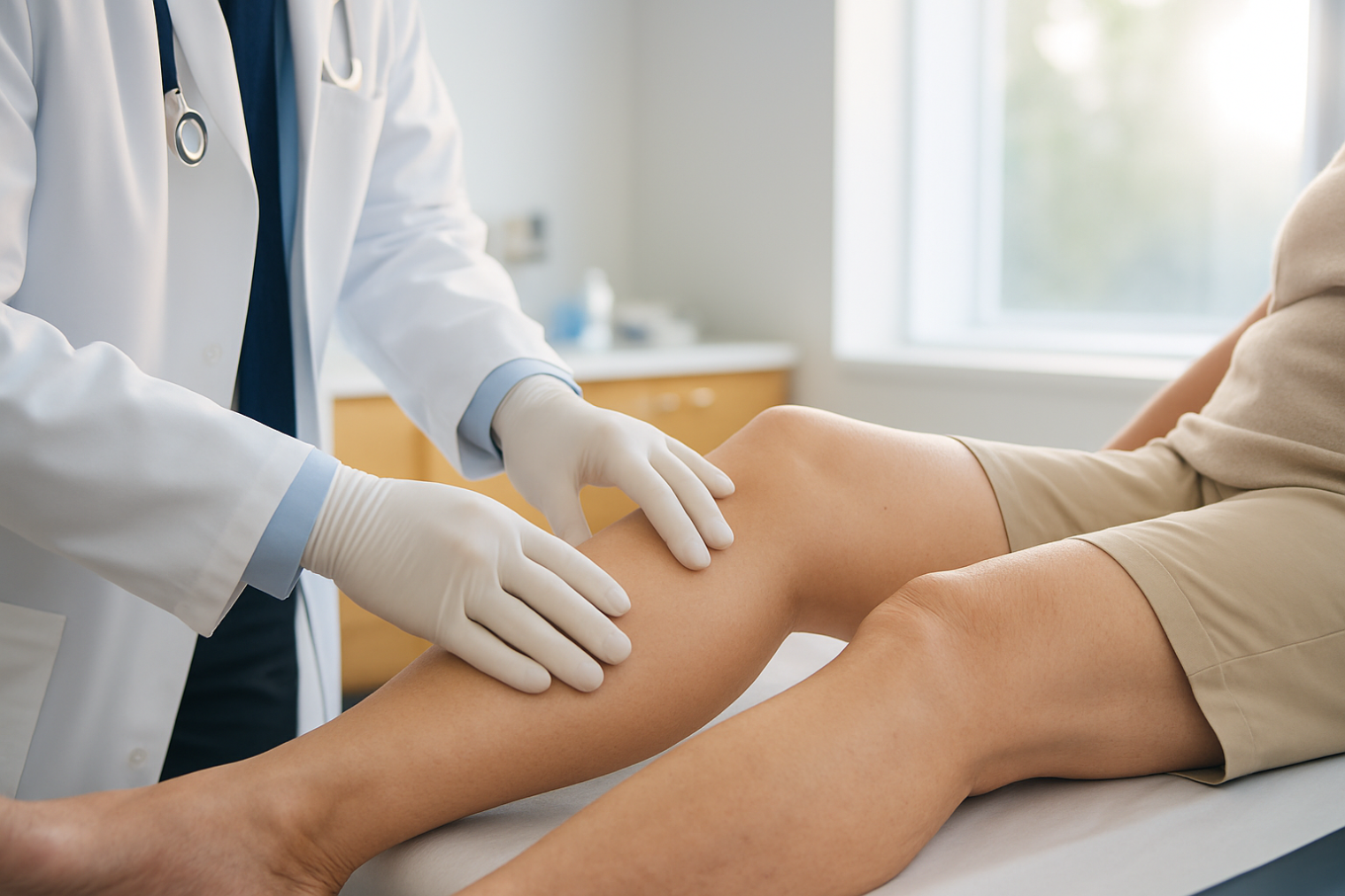
Hair loss can occur for a variety of reasons. However, when hair loss occurs on the legs, it can be a sign of poor circulation. Poor circulation can be caused by various conditions, including venous insufficiency or peripheral artery disease (PAD). If you’re experiencing hair loss on your legs, it’s essential to consult a doctor to determine the underlying cause and receive appropriate treatment. In this article, we’ll explore what hair loss on legs means and how to manage it.
What Is Hair Loss on Legs?
Hair loss on legs refers to the loss of hair from the legs. This condition can be temporary or permanent and can affect both men and women. Hair loss can occur on any part of the body, including the scalp, eyebrows, eyelashes, beard, and legs. Hair loss on legs is not a common condition, and it can be a sign of an underlying medical condition.
What Causes Hair Loss on Legs?
Hair loss on legs can be caused by various factors, including:
Poor Circulation
Poor circulation can be caused by various medical conditions, including venous insufficiency or PAD. These conditions can cause hair loss on legs due to decreased blood flow to the legs, which can lead to the loss of hair follicles.
Hormonal Imbalances
Hormonal imbalances can lead to hair loss on the legs. Hormonal imbalances can be caused by various factors, including menopause, thyroid disorders, and polycystic ovary syndrome (PCOS).
Skin Conditions
Skin conditions such as eczema, psoriasis, and dermatitis can cause hair loss on legs. These conditions can affect the skin on the legs, leading to inflammation and hair loss.
Nutrient Deficiencies
Nutrient deficiencies can cause hair loss on legs. Nutrients such as iron, zinc, and vitamin D are essential for hair growth. Deficiencies in these nutrients can lead to hair loss.
How Is Hair Loss on Legs Diagnosed?
To diagnose hair loss on legs, your doctor will perform a physical examination and review your medical history. They may also order blood tests to check for nutrient deficiencies or hormonal imbalances. If your doctor suspects poor circulation as the underlying cause, they may order an ultrasound or other imaging tests to evaluate blood flow in your legs.
How Is Hair Loss on Legs Treated?
The treatment for hair loss on legs depends on the underlying cause. If poor circulation is the cause of your hair loss, your doctor may recommend lifestyle changes such as exercise, quitting smoking, and eating a healthy diet to improve circulation. They may also prescribe medication or recommend procedures to improve blood flow in your legs.
If hormonal imbalances are the cause of your hair loss, your doctor may recommend hormone replacement therapy or other medications to balance your hormones. If skin conditions are causing your hair loss, your doctor may prescribe topical or oral medications to treat the underlying condition.
Tips to Prevent Hair Loss on Legs
There are several tips you can follow to prevent hair loss on legs, including:
- Exercise regularly to improve circulation
- Eat a healthy diet rich in nutrients
- Quit smoking to improve circulation
- Wear loose-fitting clothing to avoid constriction of blood flow
- Use gentle skincare products to avoid irritation of the skin
Conclusion
Hair loss on legs can be a sign of poor circulation, which can be caused by various medical conditions. If you’re experiencing hair loss on your legs, it’s essential to consult a doctor to determine the underlying cause and receive appropriate treatment. Lifestyle changes, medication, and other treatments can help manage hair loss on legs and improve circulation. By following the tips above, you can prevent hair loss on legs and improve the overall health of your legs.