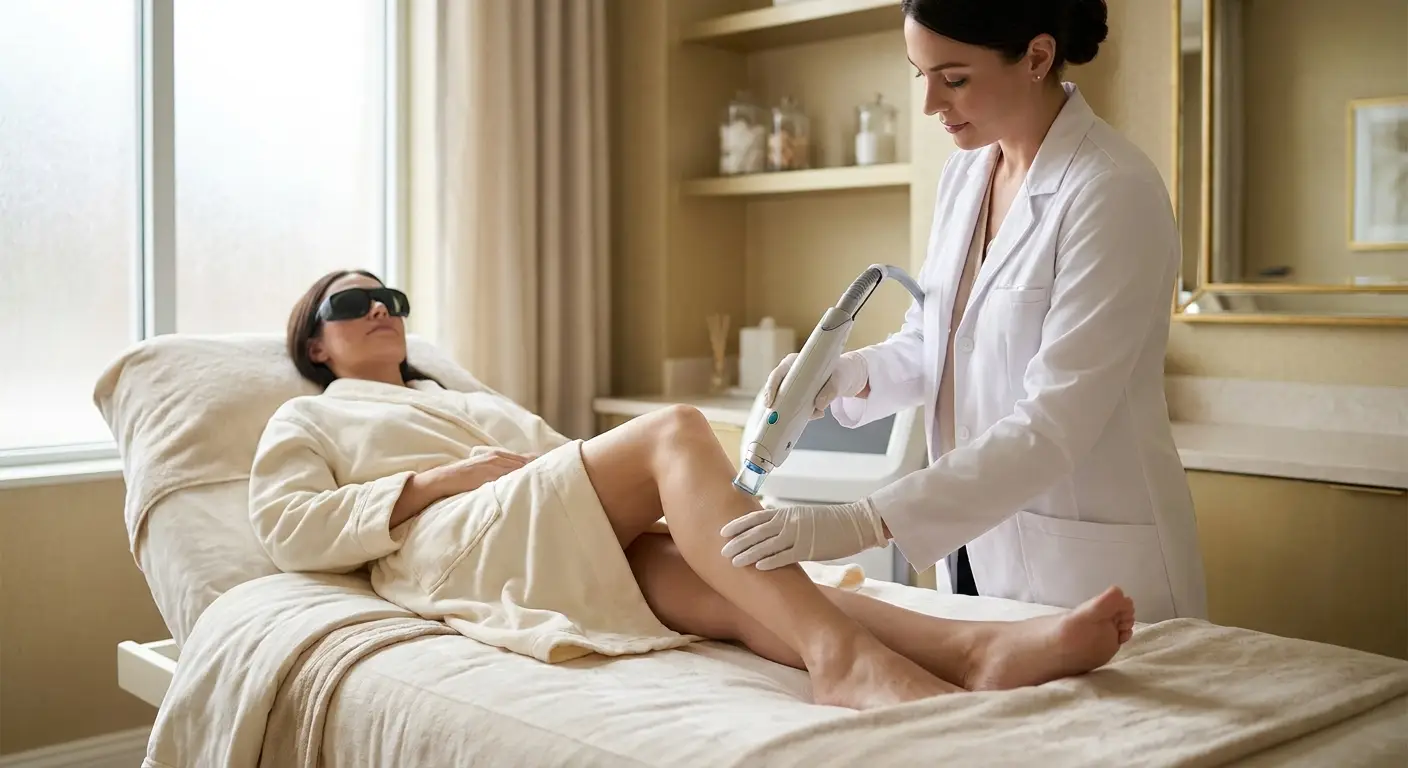
Varicose veins and spider veins can affect both appearance and comfort, causing people to explore modern treatment options. One common question is whether laser treatment is effective for these vein conditions. A qualified Varicose Veins Doctor or Veins Specialist can determine whether laser therapy is appropriate based on the size, location, and severity of the affected veins.
Laser treatment has become a popular minimally invasive option for certain vein conditions. Understanding how it works, what it can treat, its benefits, and what recovery involves can help patients make informed decisions about their vein care.
How Does Laser Treatment Work?
Laser treatment uses concentrated energy to target abnormal veins. For larger varicose veins, endovenous laser ablation delivers laser energy through a thin fiber placed inside the affected vein.
The laser heats the vein wall, causing it to collapse and close. Blood is then redirected through healthier veins, while the body gradually absorbs the treated vessel.
The procedure is typically performed using local anesthesia and ultrasound guidance. Because it generally requires only a small access point instead of a large surgical incision, recovery can be easier than with traditional vein-stripping procedures.
A Veins Specialist can determine whether laser treatment is appropriate after examining the veins and evaluating blood flow.
Can Laser Treatment Eliminate Varicose Veins?
Laser treatment can successfully close certain problematic veins, but it does not guarantee that new veins will never develop. Varicose veins can result from weakened vein walls or valves, genetics, age, pregnancy, and prolonged standing.
When an unsuitable or malfunctioning vein is closed, blood can flow through healthier vessels. The treated vein may gradually become less visible as the body absorbs it.
Results can vary depending on the patient’s condition and the veins being treated. Some people experience improvement in symptoms such as aching, heaviness, and swelling.
A Varicose Veins Doctor can evaluate the underlying cause and explain whether laser treatment or another procedure is likely to provide the best results.
Can Laser Treat Spider Veins?
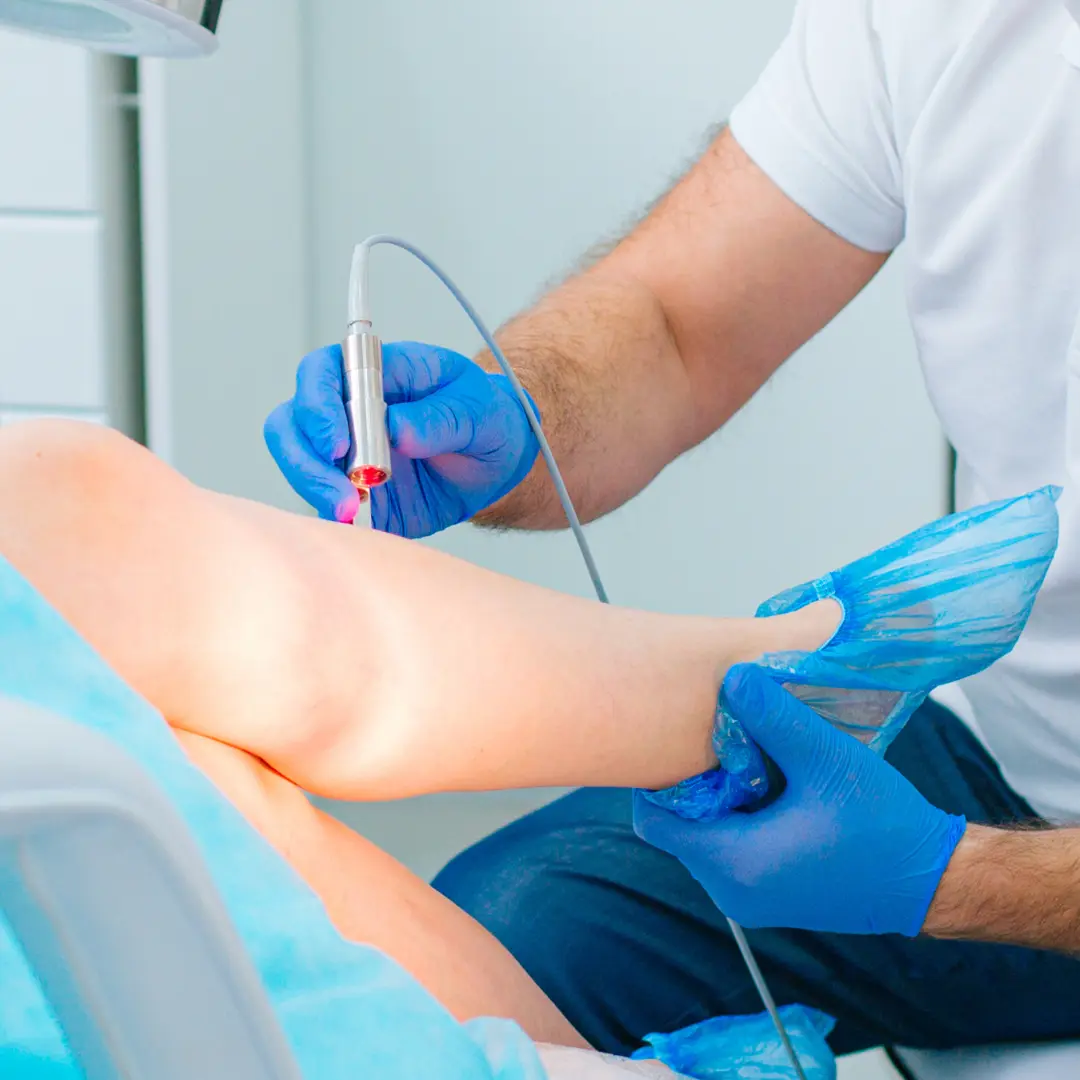
Spider veins are smaller, superficial blood vessels that can appear red, blue, or purple. They often form branching or web-like patterns on the legs.
Laser therapy can sometimes be used for spider veins because the energy can target small vessels through the skin. However, sclerotherapy may be a more appropriate option for some spider veins, particularly those on the legs.
Treatment depends on the size, location, and characteristics of the vessels. Some patients may benefit from a combination of treatments.
An evaluation by a qualified Veins Specialist can help distinguish spider veins from larger varicose veins and determine whether an underlying circulation problem needs attention.
What Happens During Laser Vein Treatment?
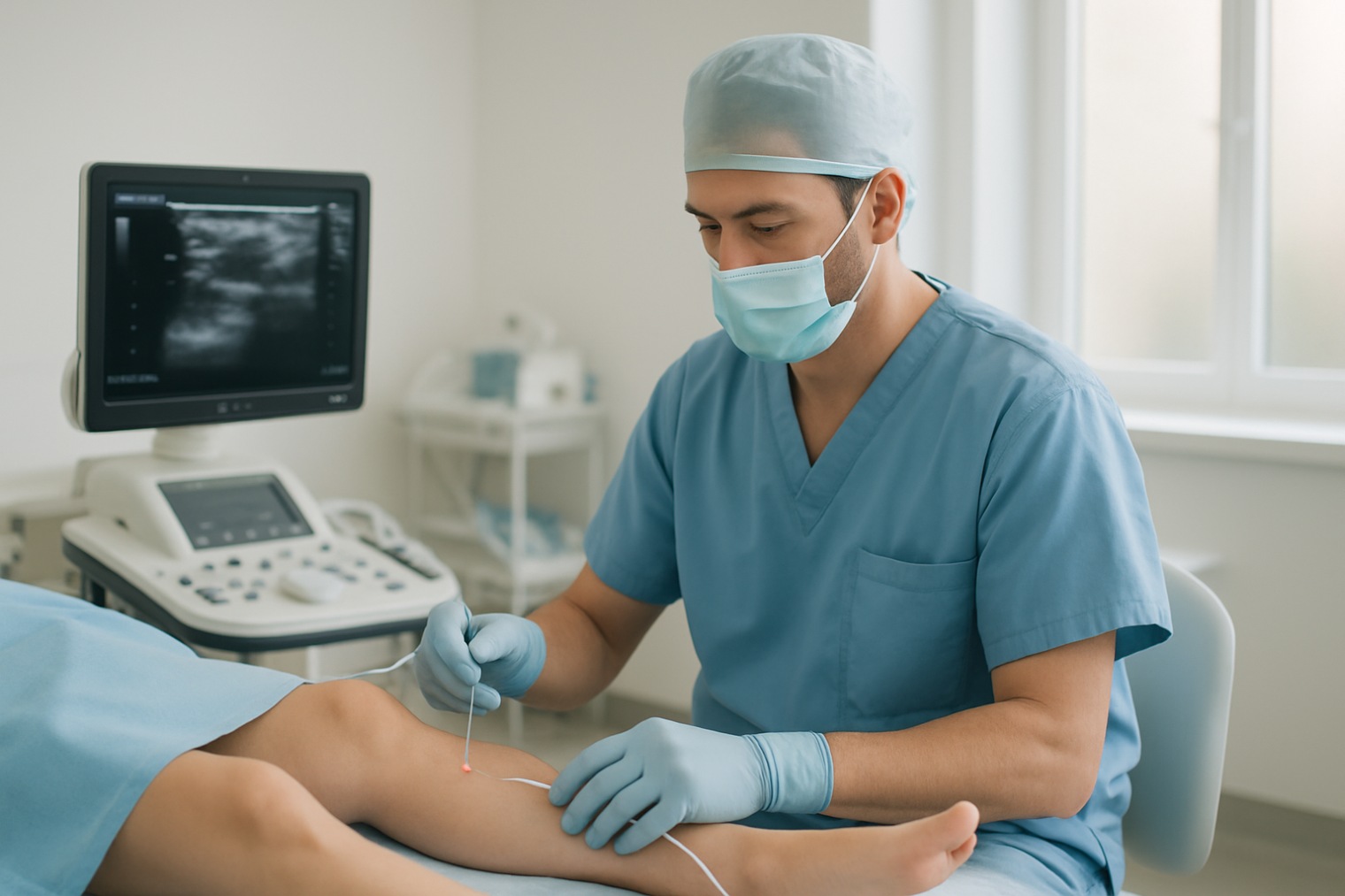
Laser vein treatment is usually performed as an outpatient procedure. The doctor may first use ultrasound imaging to identify the affected vein and evaluate blood flow.
For endovenous laser treatment, the area is numbed with local anesthesia. A thin catheter is guided into the vein, and a laser fiber delivers controlled energy to the vein wall.
The heat causes the vein to close. The fiber and catheter are then removed, and the small entry point is covered.
Patients can typically walk shortly after treatment. Depending on the procedure, compression garments may be recommended during recovery.
How Effective Is Laser Treatment?
Laser treatment can be highly effective for appropriately selected patients with certain types of varicose veins. One advantage is that the procedure addresses the problematic vein itself rather than simply improving its appearance.
After the vein closes, blood is redirected through healthier vessels. This can help reduce symptoms such as leg heaviness, aching, and swelling.
Cosmetic improvements may also occur as the treated vein gradually fades. However, results are not always immediate because the body needs time to absorb the closed vessel.
The number of treatments required depends on the patient’s vein condition. A doctor can provide a more accurate expectation after an examination and ultrasound evaluation.
What Are the Benefits of Laser Treatment?
One of the primary benefits of laser vein treatment is that it is minimally invasive. Unlike traditional vein surgery, it generally does not require a large incision.
Recovery can also be relatively quick for suitable patients. Walking is often encouraged shortly after treatment, although individual activity recommendations can vary.
Laser treatment may improve both symptoms and the appearance of certain varicose veins. Patients who experience discomfort, heaviness, or swelling may notice improvement after successful treatment.
Another advantage is that laser therapy can sometimes be combined with other vein treatments. For example, a larger underlying vein may be treated with laser ablation while smaller visible vessels are treated separately.
Are There Risks or Side Effects?
Laser treatment is generally considered safe when performed by a qualified medical professional, but every procedure has potential risks. Temporary bruising, tenderness, swelling, or tightness along the treated vein can occur.
Some patients may experience temporary changes in skin sensation. These effects often improve during the healing process.
Less common complications can include infection, bleeding, nerve irritation, or blood clots. The level of risk depends on the individual and the specific treatment.
Discussing your medical history and medications with your doctor before treatment can help identify potential concerns. Patients should also follow all preparation and aftercare instructions.
How Long Does Recovery Take?
Recovery after laser vein treatment is generally shorter than recovery from traditional vein surgery. Many patients can return to normal daily activities relatively quickly.
Walking is commonly encouraged after treatment because movement supports healthy circulation. However, strenuous exercise, heavy lifting, and certain activities may need to be avoided temporarily.
Bruising and soreness may occur around the treatment area. These symptoms usually improve as healing progresses.
The treated vein does not disappear immediately. Instead, the body gradually breaks down and absorbs the closed vein, so cosmetic improvements may continue over several weeks or months.
Your doctor will provide personalized recovery instructions based on your treatment and overall health.
How Is the Right Treatment Chosen?
Not every vein condition requires laser treatment. A doctor typically evaluates the veins through a physical examination and may perform duplex ultrasound to assess blood flow.
The size, depth, location, and condition of the veins all influence treatment decisions. Larger problematic veins may be appropriate for endovenous laser treatment, while smaller spider veins may respond better to sclerotherapy or surface laser therapy.
Symptoms also matter. Pain, swelling, heaviness, skin changes, or other concerns may indicate an underlying venous condition that requires evaluation.
A Varicose Veins Doctor can review your individual condition and explain the available treatment options. This helps ensure that treatment addresses both medical concerns and cosmetic goals.
When Should You See a Vein Specialist?
Visible veins do not always require medical treatment, but persistent symptoms should be evaluated. Leg pain, swelling, heaviness, itching, skin discoloration, or changes around the ankles can sometimes indicate an underlying vein problem.
You may also consider professional evaluation if varicose or spider veins are affecting your confidence or daily activities.
A specialist can determine whether the condition is primarily cosmetic or related to venous insufficiency. They can then recommend appropriate treatment or monitoring.
Sudden leg swelling, significant pain, or other rapidly developing symptoms should receive prompt medical attention.
Conclusion
Laser treatment can be an effective option for appropriately selected patients with Varicose Veins, particularly when an underlying problematic vein can be safely closed through endovenous laser therapy. Certain Spider Veins may also respond to laser treatment, although alternatives such as sclerotherapy may sometimes be preferred. Consulting a qualified Varicose Veins Doctor or Veins Specialist is the best way to determine the appropriate approach.
If you are concerned about visible veins, discomfort, swelling, or other symptoms, Charming Skin Vein Clinics can help you explore personalized treatment options in Oak Brook. Call 630-974-2400 to schedule a consultation and learn whether laser vein treatment may be right for you.