
Varicose Veins are a common vascular condition that affects millions of adults worldwide, especially those who spend long hours standing or sitting. These enlarged, twisted veins often appear on the legs and can cause discomfort, swelling, aching, and in some cases, more serious circulatory issues. Understanding whether Varicose Veins can heal without surgery is important because many people want effective relief without undergoing invasive procedures. While surgery has traditionally been one option, modern medicine now offers several non surgical approaches that may help manage symptoms and improve appearance. In this article, we will explore the causes, treatment options, and lifestyle strategies that can help reduce discomfort and slow progression. The goal is to give you a clear, realistic understanding of what is possible without surgery and when medical intervention might still be necessary.
Understanding varicose veins and causes
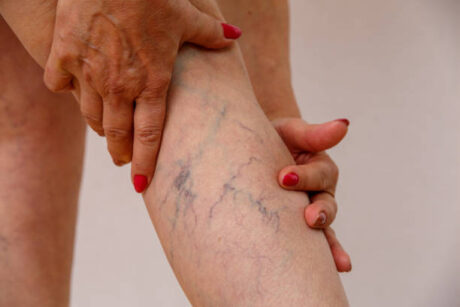
Varicose Veins develop when the valves inside the veins become weak or damaged, causing blood to pool instead of flowing efficiently back to the heart. This pressure buildup leads to enlarged, twisted veins that are visible under the skin. One of the most common causes is prolonged standing or sitting, which puts extra strain on the lower body circulation. Genetics also plays a major role, meaning if family members have had vein issues, the likelihood increases.
Other contributing factors include obesity, pregnancy, hormonal changes, and aging. As the body ages, vein elasticity naturally decreases, making it harder for blood to circulate properly. This condition is not just cosmetic; it can lead to discomfort, heaviness, and swelling in the legs.
Varicose Veins can worsen over time if left unmanaged. Early awareness helps individuals take steps to slow progression and reduce symptoms through lifestyle adjustments and medical support when needed.
Can varicose veins heal without surgery
Many patients ask whether Varicose Veins can heal completely without surgical procedures. The honest answer is that while they typically do not disappear on their own, symptoms can often be significantly improved without surgery. Non surgical methods focus on reducing discomfort, improving circulation, and preventing the condition from worsening.
In some cases, small veins may shrink in appearance when blood flow is improved through compression therapy or lifestyle changes. However, larger veins usually remain visible even if symptoms become more manageable. This is why treatment is often focused on control rather than complete reversal.
Modern medicine offers several minimally invasive options that do not require traditional surgery, making treatment more accessible and less intimidating. These approaches can improve both comfort and appearance with minimal downtime.
So while Varicose Veins may not fully heal without medical procedures, many individuals experience meaningful relief and improved quality of life through consistent non surgical care and early intervention.
Lifestyle changes that improve symptoms
One of the most effective ways to manage Varicose Veins is through daily lifestyle changes. These adjustments do not remove the veins, but they can greatly reduce pain, swelling, and heaviness in the legs. Small habits consistently applied can make a noticeable difference over time.
Maintaining a healthy body weight is essential because excess weight puts additional pressure on the veins. Elevating the legs for short periods during the day also helps blood flow return to the heart more efficiently. Avoiding long periods of standing or sitting without movement is equally important.
Diet also plays a role. Foods rich in fiber and antioxidants support healthy circulation and reduce inflammation. Staying hydrated improves blood flow and prevents vein stiffness.
While these changes cannot completely eliminate Varicose Veins, they can significantly slow progression and improve comfort. Many patients find that combining lifestyle improvements with other treatments creates the best long term results.
Compression therapy role
Compression therapy is one of the most widely recommended non surgical treatments for Varicose Veins. It involves wearing specially designed stockings that apply gentle pressure to the legs, helping blood flow upward instead of pooling in the veins.
This method can reduce swelling, relieve aching, and improve overall comfort throughout the day. It is especially helpful for individuals who spend long hours standing or sitting at work. By supporting circulation, compression garments help prevent symptoms from worsening over time.
Consistency is key. Wearing them daily, especially during active hours, provides the most benefit. They come in different levels of pressure, and a healthcare provider can recommend the right type based on severity.
Although compression therapy does not remove Varicose Veins, it plays an important role in managing symptoms and improving quality of life. Many patients use it as a first line approach before considering more advanced medical treatments.
Exercise and circulation
Regular physical activity is essential in managing Varicose Veins because it helps improve blood circulation and strengthens the muscles that support vein function. When leg muscles contract during movement, they assist veins in pushing blood back toward the heart.
Low impact exercises such as walking, swimming, and cycling are particularly beneficial. These activities improve circulation without putting excessive strain on the joints. Even simple daily movements like stretching or taking short walks can make a difference.
Sitting or standing for long periods should be avoided when possible. Taking breaks to move around helps prevent blood from pooling in the legs. Elevating the legs after exercise can further support circulation and reduce swelling.
While exercise alone will not remove Varicose Veins, it is one of the most effective ways to manage symptoms naturally. Combined with other non surgical treatments, it can significantly improve comfort and slow progression.
Medical non surgical treatments
Today, there are several advanced non surgical treatments available for Varicose Veins that are minimally invasive and highly effective. These include procedures such as escleroterapia, laser therapy, and radiofrequency ablation.
Sclerotherapy involves injecting a solution into smaller veins, causing them to collapse and gradually fade. Laser treatments use targeted heat to close off affected veins, redirecting blood flow to healthier vessels. These procedures are typically done in outpatient settings with minimal downtime.
These treatments are especially useful for patients who want cosmetic improvement along with symptom relief. Recovery is usually quick, and patients can often return to normal activities within a short period.
Although these options are not traditional surgery, they are medical procedures that should be performed by qualified vein specialists. They offer a middle ground between conservative care and surgical intervention, making them a popular choice for many patients.
When to consider medical intervention
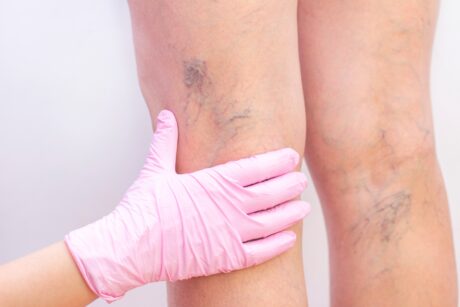
While lifestyle changes and non surgical treatments can help manage Varicose Veins, there are situations where medical intervention becomes necessary. If symptoms worsen over time, such as increased pain, skin discoloration, or persistent swelling, it may indicate more advanced vein disease.
In some cases, untreated Varicose Veins can lead to complications like ulcers or blood clots. When conservative treatments are no longer effective, a specialist may recommend minimally invasive procedures or, in rare cases, surgical options.
Early evaluation is important. A vein specialist can assess the severity and recommend the most appropriate treatment plan based on individual needs. Delaying treatment may allow the condition to progress further.
Understanding when to seek medical help ensures better outcomes and prevents long term complications. Timely intervention can significantly improve both comfort and appearance.
Prevention and long term management
Preventing the progression of Varicose Veins requires consistent long term care. While genetics cannot be changed, many risk factors can be managed through daily habits and awareness.
Staying active, maintaining a healthy weight, and avoiding prolonged inactivity are key preventive measures. Wearing compression stockings when needed and elevating the legs regularly can also support vein health.
Regular checkups with a vein specialist help monitor any changes and allow for early treatment if needed. Small adjustments over time can prevent symptoms from becoming more severe.
Long term management focuses on maintaining comfort and preventing complications. With the right approach, many people successfully control symptoms and maintain an active lifestyle.
Conclusion
Varicose Veins are a common condition that can often be managed effectively without surgery, especially when addressed early. While complete natural healing is unlikely, symptoms can be significantly reduced through lifestyle changes, compression therapy, exercise, and modern minimally invasive treatments. Understanding your options is the first step toward better vein health and long term comfort.
For those seeking professional evaluation and treatment, Charming Skin Vein Clinics in Chicago offers specialized care tailored to individual needs. You can contact them at +1 630-974-1400 for expert guidance and personalized treatment options.