
Finding a skilled vascular surgeon is essential for maintaining optimal blood vessel health and preventing serious complications. Vascular conditions, such as varicose veins, aneurysms, and peripheral artery disease, can significantly impact quality of life if left untreated. Early intervention from a qualified vascular surgeon can help manage symptoms, improve circulation, and reduce the risk of more severe health issues. In Chicago, patients seeking expert care have access to advanced treatments and minimally invasive procedures designed to restore vascular health efficiently. Understanding the role of a vascular surgeon and the services they provide is vital for anyone experiencing vascular concerns or looking to maintain long-term circulatory wellness. This article explores the key aspects of vascular care, helping you make informed decisions about your health and find the right specialist.
What is a Vascular Surgeon?
A vascular surgeon is a medical specialist trained to diagnose and treat diseases of the circulatory system, including arteries, veins, and lymphatic vessels. Unlike general surgeons, vascular surgeons focus specifically on conditions that affect blood flow and vessel integrity. They often perform both surgical and minimally invasive procedures to address problems such as varicose veins, aneurysms, carotid artery blockages, and peripheral artery disease.
Vascular surgeons also play a preventive role, advising patients on lifestyle changes, medications, and monitoring to reduce the risk of serious complications. For example, someone with chronic venous insufficiency may work with a vascular surgeon to prevent the progression of vein disease. By understanding the specialized expertise of a vascular surgeon, patients can better navigate their treatment options and receive personalized care that targets their specific vascular needs.
Common Vascular Conditions Treated
A wide range of vascular conditions require expert attention. A vascular surgeon commonly treats varicose veins, spider veins, deep vein thrombosis (DVT), aneurysms, and peripheral artery disease. Each condition has unique causes and symptoms. For instance, varicose veins may develop due to weakened vein walls, while DVT is a blood clot that forms in a deep vein, often in the legs.
Early diagnosis by a vascular surgeon is crucial for effective treatment. Minimally invasive techniques, such as endovenous laser therapy or angioplasty, are often used to restore proper circulation and prevent complications. By addressing vascular issues promptly, patients can avoid more serious problems like stroke, heart attack, or chronic pain. Consulting a qualified vascular surgeon ensures a tailored approach to care and improves long-term vascular health outcomes.
Signs You Need a Vascular Surgeon
Recognizing the signs of vascular problems is critical. Patients should seek a vascular surgeon if they experience leg swelling, pain, numbness, skin discoloration, or visible varicose veins. Symptoms like cramping, fatigue during walking, or slow-healing wounds may indicate underlying circulatory issues.
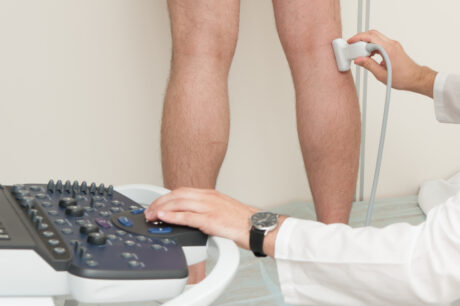
Ignoring these signs can lead to worsening conditions and serious health risks. A vascular surgeon evaluates your symptoms, reviews medical history, and may perform diagnostic tests such as ultrasound, CT angiography, or blood flow studies. Early intervention allows for less invasive treatments and a higher likelihood of successful outcomes. Consulting a vascular surgeon promptly ensures your circulatory system remains healthy and functional.
Minimally Invasive Procedures Offered
Modern vascular surgery emphasizes minimally invasive techniques. Procedures like endovenous laser therapy, sclerotherapy, and angioplasty allow a vascular surgeon to treat conditions with less pain and quicker recovery times than traditional surgery.
Endovenous laser therapy is commonly used for varicose veins, targeting affected veins with precision to restore proper blood flow. Angioplasty involves opening blocked arteries using a small balloon and sometimes placing stents for long-term results. These methods reduce hospital stays and minimize scarring, making them a preferred option for many patients. By choosing a skilled vascular surgeon, individuals gain access to advanced treatments that address their vascular concerns effectively and safely.
Importance of Preventive Vascular Care
Preventive care is a key focus for a vascular surgeon. Routine screenings, lifestyle adjustments, and early interventions can prevent serious complications such as heart attacks, strokes, or chronic venous insufficiency.
A vascular surgeon may recommend maintaining a healthy weight, exercising regularly, and managing conditions like diabetes and hypertension. Nutritional guidance and compression therapy for at-risk patients can also improve blood flow. By adopting preventive strategies under the guidance of a vascular surgeon, patients reduce the risk of severe vascular issues and enhance overall circulatory health.
Diagnostic Tools in Vascular Surgery
Accurate diagnosis is crucial for effective treatment. Vascular surgeons rely on diagnostic tools like duplex ultrasound, CT angiography, MRI, and blood flow studies to assess blood vessel health.
Duplex ultrasound provides real-time imaging of blood flow, helping detect blockages or vein abnormalities. CT and MRI angiography offer detailed 3D views of arteries and veins, aiding in planning interventions. These technologies allow a vascular surgeon to tailor treatments to individual patient needs, ensuring safe and precise care. Using advanced diagnostics, surgeons can catch potential problems early and recommend the most appropriate solutions.

Recovery and Aftercare
Recovery following vascular procedures is typically straightforward, especially with minimally invasive techniques. A vascular surgeon provides detailed aftercare instructions to promote healing and prevent complications.
Patients may need to wear compression garments, take prescribed medications, and attend follow-up appointments to monitor progress. Activity restrictions are often minimal, allowing a quicker return to daily life. Proper aftercare ensures the treated veins or arteries heal effectively, reducing recurrence risks. By following the guidance of a vascular surgeon, patients achieve better long-term outcomes and maintain healthy circulation.
Choosing the Right Vascular Surgeon
Selecting a qualified vascular surgeon is critical for successful treatment. Consider experience, certifications, patient reviews, and available technology when choosing a specialist.
A good vascular surgeon in Chicago will offer comprehensive consultations, explain treatment options clearly, and provide personalized care plans. Look for surgeons affiliated with reputable clinics and hospitals to ensure high-quality care. Consulting the right vascular surgeon ensures peace of mind, effective treatment, and improved vascular health for years to come.
Conclusion
Expert care from a vascular surgeon is vital for preventing and treating vascular conditions effectively. From minimally invasive procedures to preventive strategies, a skilled vascular surgeon addresses a wide range of circulatory issues, ensuring better overall health and quality of life. Patients in Chicago can trust Charming Skin Vein Clinics for personalized, professional vascular care. With advanced diagnostics, experienced surgeons, and compassionate support, patients receive the attention they need for optimal outcomes. For appointments or consultations, contact Charming Skin Vein Clinics at +1 630-974-1400 and take the first step toward healthier veins and arteries. Early intervention and expert guidance can make all the difference in long-term vascular health.