
- By Vismountain
- June 9, 2025
- Vein Specialist
Persistent leg discomfort, visible vein changes, or unexplained swelling may be your body’s way of signaling a deeper vascular issue. Many people ignore these symptoms until they become more severe, risking long-term complications. Consulting with a vein specialist early on can help you manage the problem before it escalates. Whether you’re noticing bulging varicose veins or dealing with leg fatigue that won’t go away, knowing when to seek professional care can make all the difference in your vein health.
Chronic Leg Pain That Disrupts Daily Life
Experiencing leg pain occasionally might not seem alarming, but when it becomes a regular issue that interferes with your daily routine, it may point to vein-related concerns. This type of discomfort often feels like a dull ache, heaviness, or throbbing sensation, especially after standing or sitting for long periods. You might notice the pain worsens by the end of the day, signaling that your veins may not be circulating blood properly.
Rather than dismissing this symptom as a normal sign of aging or overexertion, it’s wise to monitor how frequently it occurs and how long it lasts. Chronic leg pain that doesn’t improve with rest or elevation could indicate vein disease. Visiting a vein specialist can help identify the root cause and offer options to restore proper blood flow before the condition becomes more advanced.
Noticeable Swelling in the Ankles or Legs
Swelling in the lower legs or ankles, especially when it occurs regularly, can be an early warning sign of vein issues. This swelling is often due to blood pooling in the veins because they’re no longer working efficiently. You might notice it more at the end of the day or after long periods of standing. Over time, this condition can lead to more serious complications, such as skin changes or ulcers.
If elevating your legs offers only temporary relief, it’s time to consider a professional evaluation. A vein specialist can use diagnostic tools to determine whether vein reflux or other vascular problems are contributing to the swelling. Early detection is essential to prevent further discomfort or skin damage. Addressing swelling sooner can not only relieve pressure and pain but also improve your quality of life in the long term.
Appearance of Twisted or Bulging Veins
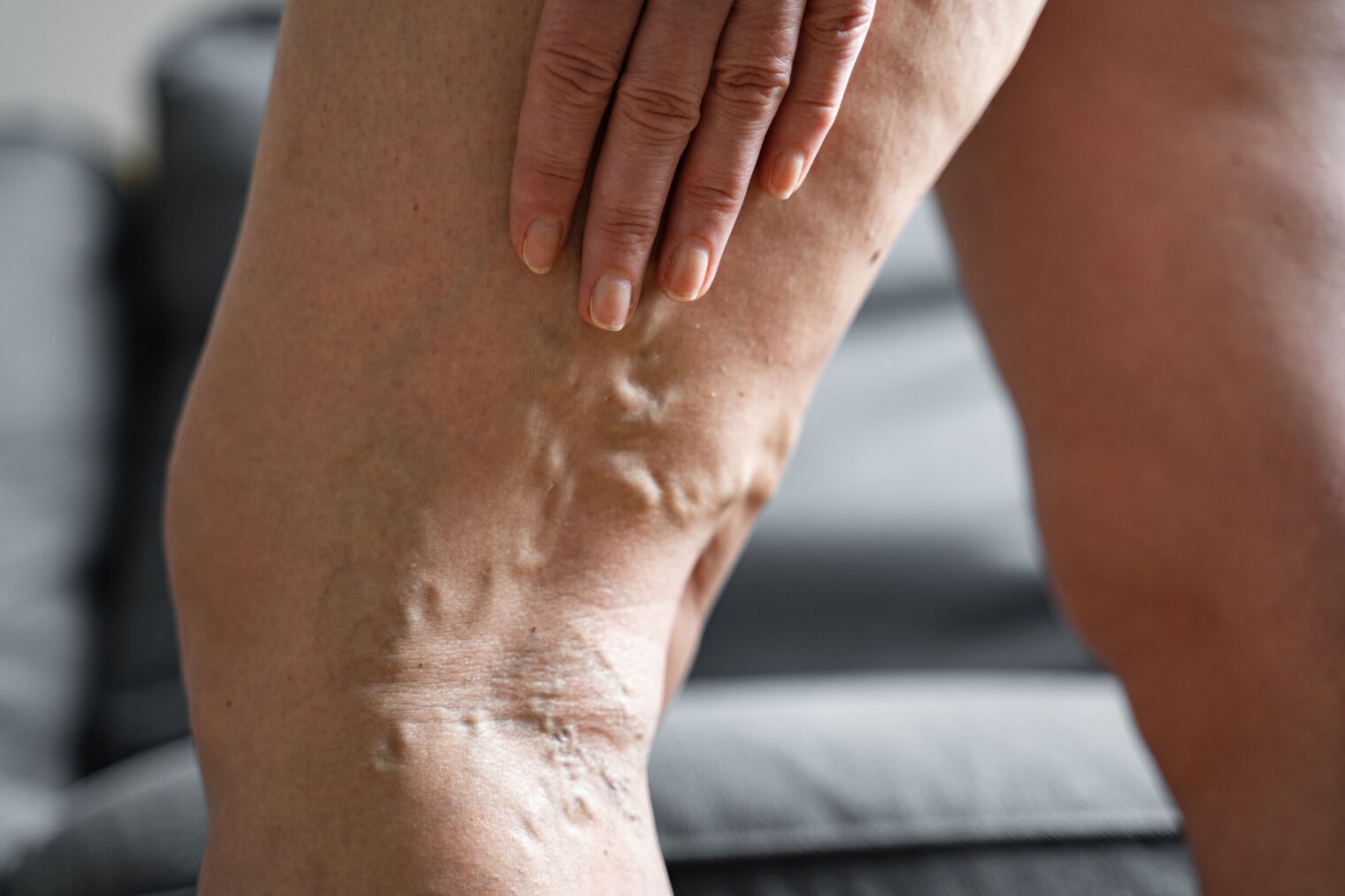
Bulging, twisted veins are among the most noticeable signs of venous insufficiency. These varicose veins often appear blue or purple and may seem raised above the skin’s surface. While they can be painless at first, they typically worsen over time, sometimes leading to aching, itching, or a burning sensation in the affected area. These visible veins are not just a cosmetic issue—they often point to deeper circulatory problems.
Ignoring these changes can result in progressive discomfort and complications such as skin discoloration or ulceration. If you see these bulging veins developing, especially in the legs, seeking guidance from a vein specialist is essential. They can assess whether your veins are functioning properly and recommend treatment options tailored to your condition. Managing the problem early can help prevent further damage and restore a healthier appearance to your legs.
Skin Discoloration or Texture Changes
Discoloration of the skin on your legs—especially around the ankles—can be a sign that something isn’t right with your veins. When veins are not working efficiently, blood can pool in the lower legs, leading to a reddish-brown pigmentation known as hemosiderin staining. You may also notice the skin becoming thin, shiny, or itchy, sometimes resembling eczema or developing into thickened patches.
These changes often indicate that your vein condition has progressed and could lead to ulcerations if not addressed. Skin symptoms linked to vein problems should never be ignored, especially when they develop gradually. A vein specialist can evaluate the severity of the condition and offer a plan to improve blood circulation. Addressing the issue early can help prevent irreversible skin damage and reduce the risk of more serious vascular complications.
Leg Heaviness or Fatigue After Standing
Feeling an unusual heaviness in your legs after prolonged standing or even mild activity may be more than simple tiredness. This sensation is often a symptom of poor blood return due to malfunctioning veins. People commonly describe it as a dragging or weighted feeling that worsens throughout the day and doesn’t go away easily, even after resting.
This fatigue can significantly limit your mobility and daily activities if left unchecked. Rather than attributing it to overwork, consult with a vein specialist to explore whether a circulatory issue is involved. With a thorough assessment, they can determine whether your veins are allowing blood to flow backward or pool. Prompt treatment can relieve the feeling of heaviness, boost circulation, and help you regain energy and movement in your legs.
Itching or Burning Sensations Around Veins
Persistent itching or burning near the veins, especially in the legs, can be an early sign of venous disease. While it may seem like dry skin at first, these symptoms often indicate inflammation within the veins or irritation caused by poor blood flow. You might find yourself scratching frequently, leading to redness, scabs, or even minor infections in the area.
Ignoring this discomfort can lead to more advanced skin problems and signal that your veins are under strain. A vein specialist can assess whether underlying issues like venous reflux are contributing to your symptoms. By identifying and treating the problem at the source, you can find relief and prevent further damage. Early care ensures your skin and veins remain healthy and reduces the chances of future complications like ulcers or chronic skin irritation.
Restless Legs That Disrupt Sleep
If your legs constantly feel like they need to move, especially at night, you might be dealing with restless leg syndrome. This condition often goes hand in hand with vein disorders and can lead to interrupted sleep and ongoing fatigue. The sensation can feel like tingling, crawling, or an uncontrollable urge to shift your legs while lying down.
Many people dismiss this as stress or poor sleep habits, but a deeper vein issue could be the culprit. A visit to a vein specialist can reveal whether inadequate blood flow or vein valve dysfunction is contributing to your symptoms. Addressing the underlying cause may significantly improve your sleep and daytime comfort. With appropriate treatment, many patients experience relief from restlessness and are able to enjoy a more restful, uninterrupted night’s sleep.
Slow-Healing Sores or Leg Ulcers
When minor cuts or bruises on your legs take an unusually long time to heal—or develop into open sores—you could be facing a serious vein condition. These slow-healing wounds, known as venous ulcers, are often found near the ankles and are typically caused by long-standing vein insufficiency. They may start as itchy, discolored patches and gradually worsen if untreated.
Venous ulcers not only cause discomfort but also increase the risk of infection. If you’ve noticed wounds that resist healing despite home care, it’s time to consult a vein specialist. Through diagnostic evaluation and targeted therapies, they can restore proper circulation to promote faster healing. Taking action early can prevent long-term damage, reduce pain, and support overall leg health as you age.
Conclusion
Ignoring vein symptoms can lead to long-term discomfort and serious complications. Whether you’re dealing with leg swelling, visible veins, or skin changes, it’s essential to take action early. At Charming Skin Vein Clinics in Oak Brook, IL, our experienced team offers compassionate care and advanced treatment options tailored to your needs. We’re here to help you feel confident and comfortable in your own skin again. Don’t let vein issues hold you back from living fully. Take the next step toward better vein health today.
Call Charming Skin Vein Clinics at +1 630-974-1400 to schedule your personalized consultation. Your journey to healthier legs and improved well-being begins with expert guidance and trusted care right here in Oak Brook.