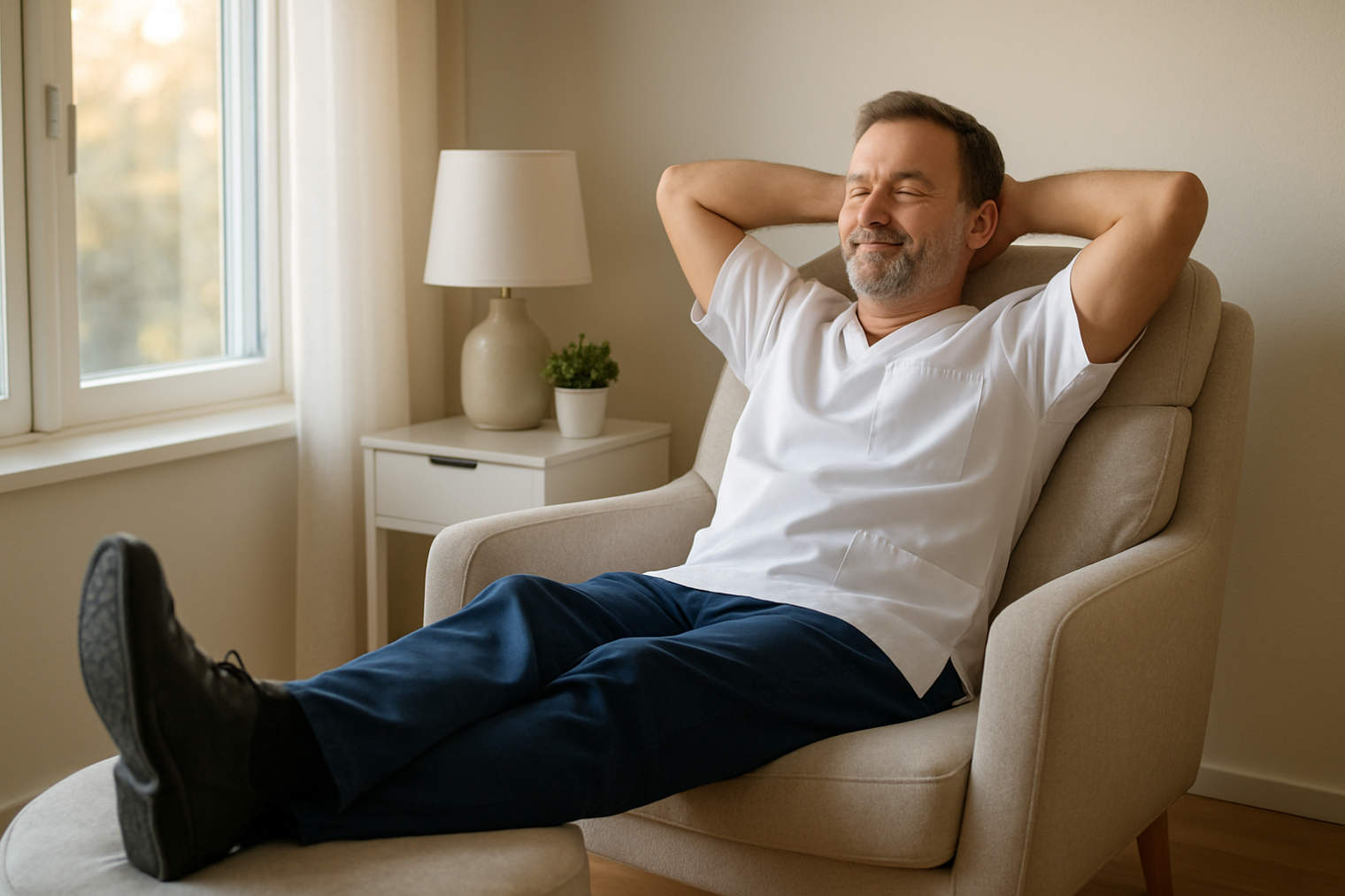
If you spend hours sitting at a desk, driving, working from home, or traveling, you may wonder whether prolonged sitting contributes to Varicose Veins, Spider Veins, Varicose Veins Doctor, and Veins Specialist concerns. Sitting for long periods can slow circulation in the legs and may worsen symptoms in people who already have vein problems. When your legs remain still, the calf muscles do less work to help move blood back toward the heart. This can contribute to blood pooling in the lower legs and increased pressure within the veins. Understanding the connection between prolonged sitting and vein health can help you recognize symptoms and make simple changes to support better circulation.
How Does Sitting Affect Blood Flow?
Your leg veins work against gravity to return blood to your heart. The calf muscles help with this process by contracting when you walk or move your legs, essentially acting as a pump that pushes blood upward.
When you sit for several hours, your calf muscles are relatively inactive. Blood may move more slowly, and fluid can accumulate around the feet and ankles. This can result in swelling, heaviness, or discomfort, particularly toward the end of the day.
Sitting alone does not necessarily cause varicose veins. They are commonly associated with weakened or damaged valves that allow blood to flow backward and collect inside the veins. However, prolonged inactivity can contribute to circulation problems and may aggravate existing symptoms.
Can Sitting Make Existing Varicose Veins Worse?
Prolonged sitting can make symptoms associated with existing varicose veins more noticeable. People may experience aching, heaviness, swelling, itching, burning, or cramping in their legs after remaining seated for extended periods.
The longer your legs stay still, the less assistance your calf muscles provide to move blood upward. This can increase pressure within the leg veins and contribute to discomfort.
Some people notice that their legs feel particularly heavy after a long workday. Others may see increased swelling around their ankles or more prominent veins after sitting for hours.
Walking, changing positions, and elevating the legs may help relieve some symptoms. However, persistent pain or swelling should not automatically be blamed on sitting. A healthcare professional can determine whether an underlying vein condition is contributing to the problem.
What Is the Difference Between Varicose and Spider Veins?
Varicose veins and spider veins are related but have different appearances. Varicose veins are enlarged, twisted, or bulging veins that most commonly appear on the legs. They can cause symptoms such as aching, heaviness, swelling, itching, and cramping.
Spider veins are smaller blood vessels that appear close to the skin. They can look like thin red, blue, or purple lines arranged in web-like patterns. Spider veins are often considered primarily cosmetic, although some people may experience associated symptoms.
Both conditions can be influenced by factors such as genetics, age, pregnancy, hormones, weight, and prolonged periods of standing or sitting.
If new veins appear alongside persistent swelling, pain, skin changes, or other symptoms, consider getting them evaluated rather than assuming they are simply cosmetic.
Why Does Movement Help Leg Circulation?
Movement is one of the simplest ways to support healthy circulation. Walking activates the calf muscles and helps them push blood through the veins toward the heart.
You do not need an intense workout every time you stand up. Short periods of movement throughout the day can help break up long stretches of inactivity.
If you work at a desk, consider standing regularly, walking during phone calls, stretching your legs, or taking short walks during breaks. People who drive for long periods can also benefit from stopping periodically when it is safe to do so.
Regular exercise can also support overall circulation and help maintain a healthy weight. The goal is to avoid spending most of the day in one position and instead create regular opportunities for your legs to move.
How Can You Reduce the Effects of Prolonged Sitting?
If your job requires several hours of sitting, small changes can make a difference. Try to avoid remaining in the same position for extended periods and take regular opportunities to stand and walk.
Simple ankle movements can also be performed while sitting. Flexing and extending your ankles or gently contracting your calf muscles can provide some movement when you cannot immediately leave your chair.
When resting, elevating your legs may help reduce swelling and discomfort. Regular physical activity and maintaining a healthy weight can also support circulation.
These habits can help manage some symptoms, but they cannot guarantee that varicose or spider veins will be prevented. Genetics, age, pregnancy, and other factors can influence vein health.
If symptoms continue despite lifestyle changes, consider speaking with a qualified vein professional for an evaluation.
Can Your Job Increase the Risk of Vein Problems?
Jobs that require prolonged sitting can make it difficult to maintain regular leg movement. Office workers, professional drivers, remote employees, and people who spend much of their day at a computer may remain seated for several hours at a time.
Long-distance travel can create similar conditions. Sitting in a car, airplane, bus, or train for many hours limits leg movement and can contribute to temporary swelling.
Jobs involving prolonged standing can also place stress on the leg veins. In either situation, changing positions regularly can help reduce the amount of time your legs remain stationary.
If your work requires sitting or standing for long periods, try incorporating short movement breaks into your routine. Persistent or unusual swelling should still be medically evaluated, particularly when it occurs suddenly or affects only one leg.

When Should You See a Varicose Veins Doctor?
Not everyone with visible veins requires treatment. However, you should consider speaking with a Varicose Veins Doctor if you experience persistent pain, swelling, heaviness, itching, skin changes, or symptoms that interfere with your daily activities.
A professional evaluation can help determine whether your symptoms are related to varicose veins, chronic venous insufficiency, or another condition.
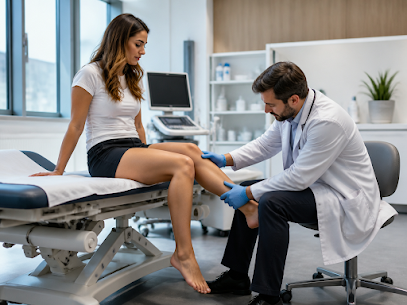
A doctor may perform a physical examination and, when appropriate, recommend an ultrasound to evaluate blood flow and identify problems with the veins.
Sudden swelling, warmth, redness, or pain in one leg may require prompt medical attention because these symptoms can sometimes be associated with a blood clot. Sudden chest pain or difficulty breathing requires emergency medical care.
Getting evaluated does not necessarily mean you will need a procedure. Your provider can recommend appropriate lifestyle measures or discuss treatment options based on your individual condition.
What Treatments Are Available for Problematic Veins?
Treatment depends on the type and severity of the vein condition. For mild symptoms, lifestyle changes such as regular movement, exercise, leg elevation, and maintaining a healthy weight may help.
Compression stockings may also be recommended for some individuals to help improve circulation and reduce swelling or discomfort.
When varicose veins require treatment, healthcare professionals may use procedures designed to close, seal, or remove problematic veins. The appropriate approach depends on factors such as the affected veins, symptoms, overall health, and treatment goals.
Spider veins may be treated differently because they are smaller and are frequently addressed for cosmetic reasons.
Rather than selecting a treatment based only on appearance, an evaluation can determine whether an underlying venous condition needs attention and which treatment may be appropriate.
How Can a Veins Specialist Help?
A Veins Specialist can evaluate visible veins and symptoms to determine whether they are related to varicose veins, spider veins, or another circulation problem.
During an evaluation, the specialist may review your medical history, examine your legs, discuss your symptoms, and determine whether additional testing is necessary. Ultrasound may be used to evaluate blood flow and identify abnormal vein function.
Depending on the findings, your specialist may recommend lifestyle changes, compression therapy, monitoring, or a minimally invasive treatment.
Seeking professional advice can be especially helpful when symptoms are persistent or gradually becoming worse. Instead of assuming prolonged sitting is the only cause, an evaluation can provide a clearer understanding of your vein health and available treatment options.
Conclusion
Sitting for long periods does not automatically cause varicose veins, but prolonged inactivity can slow circulation and contribute to blood pooling, swelling, and worsening symptoms in people with existing vein problems. Regular movement, exercise, changing positions, and elevating your legs can support healthier circulation and may reduce discomfort.
If you have persistent pain, swelling, skin changes, or increasingly visible veins, consider consulting a qualified Varicose Veins Doctor or Veins Specialist. For professional vein evaluation and treatment options in Chicago, Charming Skin Vein Clinics can help you understand your condition and available options. Call 630-974-2400 to learn more or schedule an evaluation.