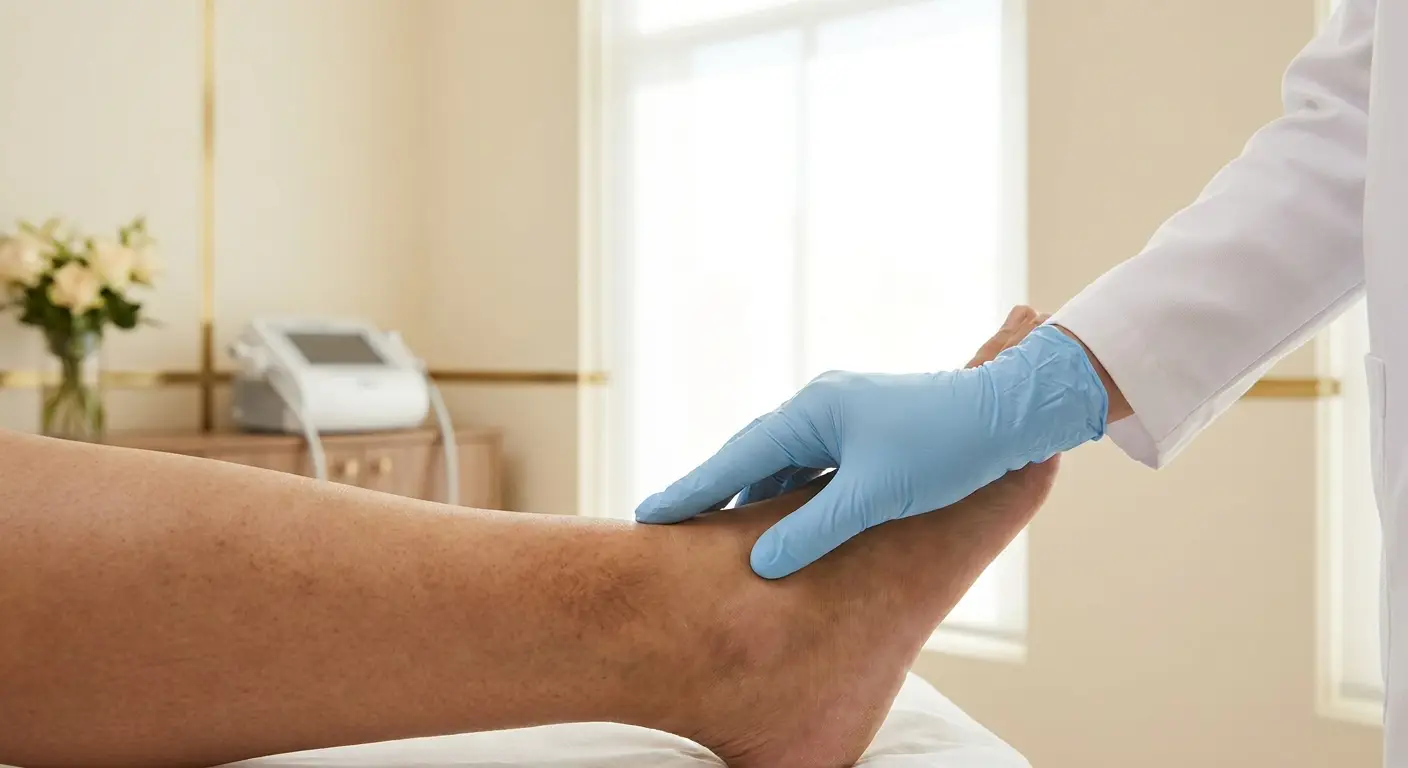
Varicose veins can cause more than visible, twisted veins beneath the skin. Some people also experience aching, heaviness, itching, warmth, or a burning sensation in the affected area. These symptoms may become more noticeable after standing or sitting for long periods. Understanding why this discomfort occurs can help you recognize when it may be time to seek professional evaluation. Spider Veins are generally considered a cosmetic concern, but symptoms around the legs should not automatically be dismissed. A qualified Varicose Veins Doctor or Veins Specialist can determine whether your symptoms are related to vein problems or another condition. Knowing the possible causes of burning sensations can also help you choose appropriate treatment and prevent symptoms from interfering with daily activities.
Why Can Varicose Veins Cause Burning Sensations?
A burning sensation in the legs can occur when blood does not circulate efficiently through the veins. Healthy leg veins contain valves that help move blood upward toward the heart. When these valves become weak or damaged, blood can collect in the lower legs, increasing pressure inside the veins.
This condition is commonly associated with chronic venous insufficiency. Increased pressure may contribute to inflammation and irritation around the affected veins, which can feel like burning, warmth, tingling, or throbbing.
The sensation may be mild at first and become more noticeable after spending several hours standing. Some people may also experience swelling, aching, itching, or a feeling of heaviness in the legs.
Not everyone with visible vein changes develops burning symptoms. However, persistent discomfort deserves attention, particularly when it is accompanied by swelling or skin changes. A medical evaluation can help identify the underlying cause and determine whether treatment is appropriate.
When Does Burning From Vein Problems Usually Get Worse?
Burning discomfort associated with vein problems often becomes more noticeable after prolonged standing or sitting. Remaining in one position for extended periods can make it harder for blood to return efficiently from the legs to the heart.
Symptoms may also become worse later in the day. As pressure gradually builds in the lower-leg veins, some people notice increased aching, heaviness, throbbing, or warmth by evening.
Hot weather can sometimes make symptoms feel more uncomfortable as blood vessels expand. Physical inactivity may also contribute to discomfort because the calf muscles play an important role in helping pump blood upward through the legs.
Elevating the legs may temporarily relieve symptoms for some people because it can encourage blood to move back toward the heart. Gentle walking can also support circulation.

Are Spider Veins Responsible for Burning or Pain?
Spider Veins are small, visible blood vessels that commonly appear close to the surface of the skin. They may look red, purple, or blue and often form branching or web-like patterns.
Unlike larger varicose veins, spider veins are usually not associated with significant medical problems. They are frequently treated because of their appearance, although some people can experience discomfort around areas where visible veins occur.
It is important not to assume that every burning sensation is caused by spider veins. Symptoms may originate from deeper veins or another condition affecting circulation, nerves, muscles, or the skin.
When burning is persistent, severe, or accompanied by swelling, cramping, skin discoloration, or other changes, a professional evaluation can provide greater clarity. A healthcare provider can examine the affected area and determine whether the symptoms appear related to a vein disorder.
What Other Symptoms Can Occur With Vein Problems?
Burning is only one possible symptom associated with venous circulation problems. People may also notice aching, throbbing, itching, swelling, leg fatigue, or a sensation of heaviness.
Some symptoms become more noticeable after standing for a long time and may improve when the legs are elevated. Tightness around the calves or ankles can also occur, particularly toward the end of the day.
Changes in the skin can develop in more advanced cases. These may include discoloration, dryness, irritation, or changes in the texture of the skin near the lower legs or ankles.
Visible enlarged veins may provide another clue, but symptoms can sometimes occur even when vein changes are not dramatic. This is one reason a professional assessment can be useful when discomfort continues.
When Should You See a Varicose Veins Doctor?
Occasional mild leg discomfort does not necessarily indicate a serious problem. However, persistent or worsening symptoms should be evaluated, particularly when burning sensations occur repeatedly.
A Varicose Veins Doctor can assess your symptoms, examine the affected veins, and determine whether further testing may be appropriate. Depending on your situation, an ultrasound examination may be used to evaluate blood flow and identify problems with the veins.
You should seek prompt medical attention if leg symptoms suddenly become severe or are accompanied by significant swelling, redness, warmth, or tenderness. Sudden changes can sometimes have causes that require urgent evaluation.
Professional assessment is also appropriate when symptoms are affecting your ability to walk, work, exercise, or sleep. Early evaluation can help identify vein problems before they progress.
How Are Burning Vein Symptoms Diagnosed?
Diagnosis typically begins with a review of your symptoms and medical history. Your healthcare provider may ask when the burning occurs, whether it becomes worse after standing, and whether you have noticed swelling, skin changes, or visible veins.
A physical examination can help identify enlarged veins, swelling, discoloration, or other signs associated with circulation problems. The provider may also examine both legs to compare their appearance and condition.
In some cases, a duplex ultrasound is recommended. This noninvasive test uses sound waves to evaluate blood flow through the veins and can help identify issues such as reflux, where blood flows backward because the valves are not working properly.
Accurate diagnosis matters because burning sensations have many possible causes. Nerve irritation, muscle problems, skin conditions, injuries, and other circulation issues can produce similar sensations.

Can Lifestyle Changes Help Reduce Burning Sensations?
Certain everyday habits may help reduce discomfort associated with poor venous circulation. Regular movement is particularly important because walking activates the calf muscles, which assist the return of blood from the legs.
Avoiding long periods of uninterrupted sitting or standing may also help. If your work requires you to remain in one position, taking short walking or movement breaks throughout the day can support circulation.
Elevating the legs when resting may provide temporary relief for some people. Maintaining a healthy weight can also reduce pressure on the veins and support overall cardiovascular health.
Compression garments may be recommended in certain situations. They apply graduated pressure to the legs and can help reduce swelling and improve venous circulation, but the appropriate type and strength should be discussed with a healthcare professional.
What Treatments Can Address Symptomatic Veins?
Treatment depends on the type and severity of the vein problem. Some people with mild symptoms may initially benefit from lifestyle changes, leg elevation, exercise, or compression therapy.
When problematic veins require medical treatment, minimally invasive procedures may be available. Depending on the individual case, options can include sclerotherapy, thermal ablation, or other vein procedures designed to close or eliminate unhealthy veins.
Sclerotherapy involves injecting a specialized solution into targeted veins, causing them to close over time. Other procedures use heat delivered through a catheter to close problematic veins from inside the vessel.
Treatment is not automatically necessary simply because a vein is visible. A healthcare professional considers symptoms, circulation, overall health, and the specific characteristics of the affected veins before recommending an approach.
Can Burning Sensations Be Prevented?
Not every case of vein-related discomfort can be prevented, particularly when genetics, age, pregnancy, or other risk factors contribute to venous disease. However, healthy habits may support better circulation and reduce certain risk factors.
Regular physical activity can help maintain healthy circulation and strengthen the calf muscles. Maintaining a healthy weight and avoiding prolonged periods of inactivity may also reduce stress on the leg veins.
People who spend much of their day sitting or standing can benefit from changing positions regularly. Simple movement throughout the day can be more helpful than remaining stationary for several hours.
It is also useful to pay attention to new symptoms. Persistent swelling, aching, itching, burning, or skin changes should not be ignored simply because they seem manageable.
Conclusion
Burning sensations in the legs can be associated with vein problems, particularly when poor circulation causes increased pressure and inflammation. Symptoms may become more noticeable after prolonged standing, sitting, or later in the day. Although visible veins can be a clue, burning may also have other causes, so proper evaluation is important. Lifestyle measures such as regular walking, movement breaks, leg elevation, and appropriate compression may help manage certain symptoms. When discomfort persists or worsens, consulting a qualified vein professional can help determine the underlying cause and appropriate treatment options. If you are experiencing uncomfortable vein symptoms in the Chicago area, Charming Skin Vein Clinics can help you explore your concerns and available treatment options. To learn more or schedule an evaluation, call 630-974-2400.