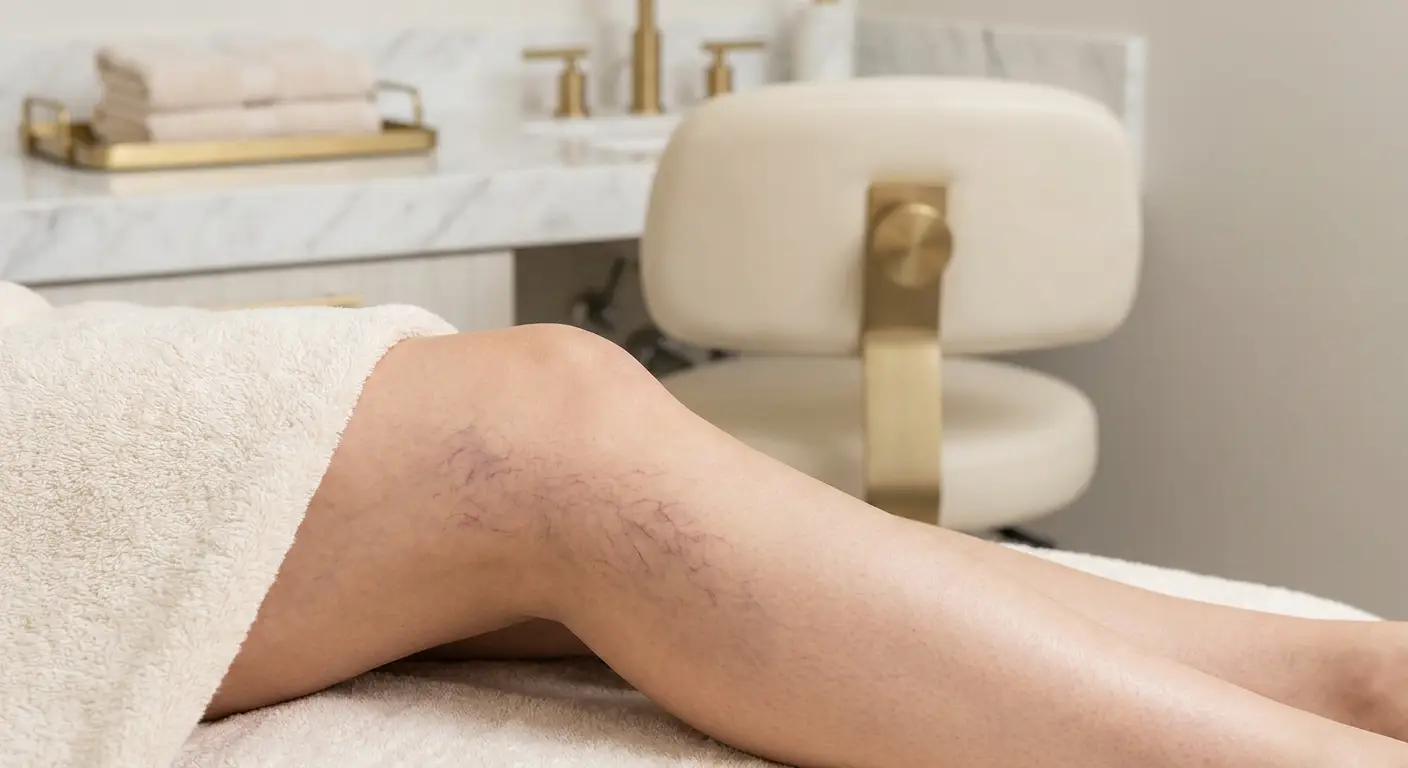
Leg cramps can be frustrating, painful, and disruptive, especially when they occur at night or after long periods of standing. Many people wonder whether these sudden muscle contractions are linked to vein problems. Individuals searching for information about Varicose Veins Spider Veins Varicose Veins Doctor Veins Specialist often experience symptoms beyond visible, twisted veins, including aching, heaviness, swelling, and recurring leg cramps. Understanding the connection between varicose veins and muscle discomfort is essential because untreated vein disease can gradually worsen over time. While not every leg cramp is caused by varicose veins, poor circulation associated with venous insufficiency may contribute to these uncomfortable episodes. Knowing the warning signs, causes, and available treatment options can help you seek appropriate care and improve your overall quality of life.
What Are Varicose Veins?
Varicose veins develop when the valves inside the veins become weak or damaged, allowing blood to flow backward and collect inside the veins. This increased pressure causes veins to enlarge, twist, and become visible beneath the skin. Although they commonly appear on the legs, they can also occur in other areas of the body.
Healthy veins move blood efficiently back toward the heart. When valves fail to function properly, blood pools in the lower legs due to gravity. This condition, known as chronic venous insufficiency, is one of the leading causes of varicose veins.
Many people believe varicose veins are only a cosmetic concern, but they can produce several uncomfortable symptoms. These include aching, heaviness, swelling, itching, burning sensations, fatigue, and nighttime leg cramps. As vein disease progresses, symptoms often become more frequent and more severe.
People researching Varicose Veins Spider Veins Varicose Veins Doctor Veins Specialist should understand that early diagnosis allows treatment before complications develop. Modern vein treatments are minimally invasive and can significantly reduce discomfort while improving circulation and appearance.
Can Varicose Veins Actually Cause Leg Cramps?
Yes, varicose veins can contribute to leg cramps, although they are not the only possible cause. Leg cramps occur when muscles suddenly tighten and contract involuntarily. In people with varicose veins, poor circulation can limit oxygen delivery and proper removal of metabolic waste from muscles.
When blood pools in damaged veins, pressure builds within the lower legs. This increased pressure may irritate surrounding muscles and tissues, making cramps more likely, particularly after standing for extended periods or while resting at night.
Many patients report waking up with painful calf cramps that temporarily improve after walking or stretching. Others notice muscle tightness after a long workday or during periods of inactivity. These symptoms often accompany swelling, aching, or visible enlarged veins.
While muscle cramps can result from dehydration, electrolyte imbalances, medication side effects, or nerve disorders, recurring cramps combined with visible varicose veins should not be ignored. Consulting a vein specialist can help determine whether circulation problems are contributing to your symptoms and whether treatment may provide relief.
Why Poor Circulation Leads to Muscle Pain
The muscles in your legs require a steady supply of oxygen-rich blood to function properly. When venous circulation becomes impaired, blood struggles to return efficiently to the heart. This creates congestion in the lower legs and increases pressure inside the veins.
Reduced circulation can leave muscles feeling tired, sore, and more susceptible to cramping. At the same time, fluid leakage into surrounding tissues contributes to swelling, which may further compress muscles and nerves.
Many people notice worsening symptoms after prolonged standing because gravity makes it more difficult for weakened veins to move blood upward. Sitting for long periods without movement can produce similar effects.
Regular movement helps activate the calf muscles, which naturally pump blood back toward the heart. Walking, stretching, elevating the legs, and wearing properly fitted compression stockings may temporarily improve circulation and reduce discomfort.
If symptoms continue despite these conservative measures, evaluation by a vein specialist can identify whether chronic venous insufficiency is the underlying cause and whether medical treatment would be beneficial.
Other Symptoms That May Accompany Leg Cramps
Leg cramps rarely occur alone when varicose veins are responsible. Many patients experience several additional symptoms that gradually worsen over time. Recognizing these warning signs can encourage earlier treatment before complications develop.
Common symptoms include aching pain after standing, heaviness in the legs, swelling around the ankles, itching over enlarged veins, burning sensations, throbbing discomfort, restless legs, and visible blue or purple veins beneath the skin. Some individuals also experience skin discoloration or changes in skin texture near the ankles.
As venous disease advances, skin may become dry, inflamed, or develop open sores known as venous ulcers. These ulcers can be difficult to heal without treating the underlying circulation problem.
Patients looking for Varicose Veins Spider Veins Varicose Veins Doctor Veins Specialists often seek help after symptoms begin interfering with sleep, exercise, or daily activities. The presence of multiple symptoms alongside recurring cramps usually indicates that professional evaluation is worthwhile.
Who Is Most at Risk for Varicose Veins?
Several factors increase the likelihood of developing varicose veins. Genetics play one of the biggest roles, meaning people with a family history of vein disease have a greater chance of experiencing similar problems.
Age also contributes because vein valves naturally weaken over time. Women are more likely than men to develop varicose veins due to hormonal changes during pregnancy, menopause, and hormonal therapy.
Individuals whose occupations require prolonged standing or sitting are also at increased risk. Teachers, healthcare professionals, retail workers, factory employees, and office workers commonly experience circulation issues because of limited movement throughout the day.
Additional risk factors include obesity, lack of exercise, smoking, previous leg injuries, and pregnancy. Carrying extra body weight places greater pressure on leg veins, making it harder for blood to circulate efficiently.
Understanding personal risk factors allows individuals to adopt healthier habits that support better circulation while recognizing when symptoms warrant professional evaluation.
How Are Varicose Veins Diagnosed?
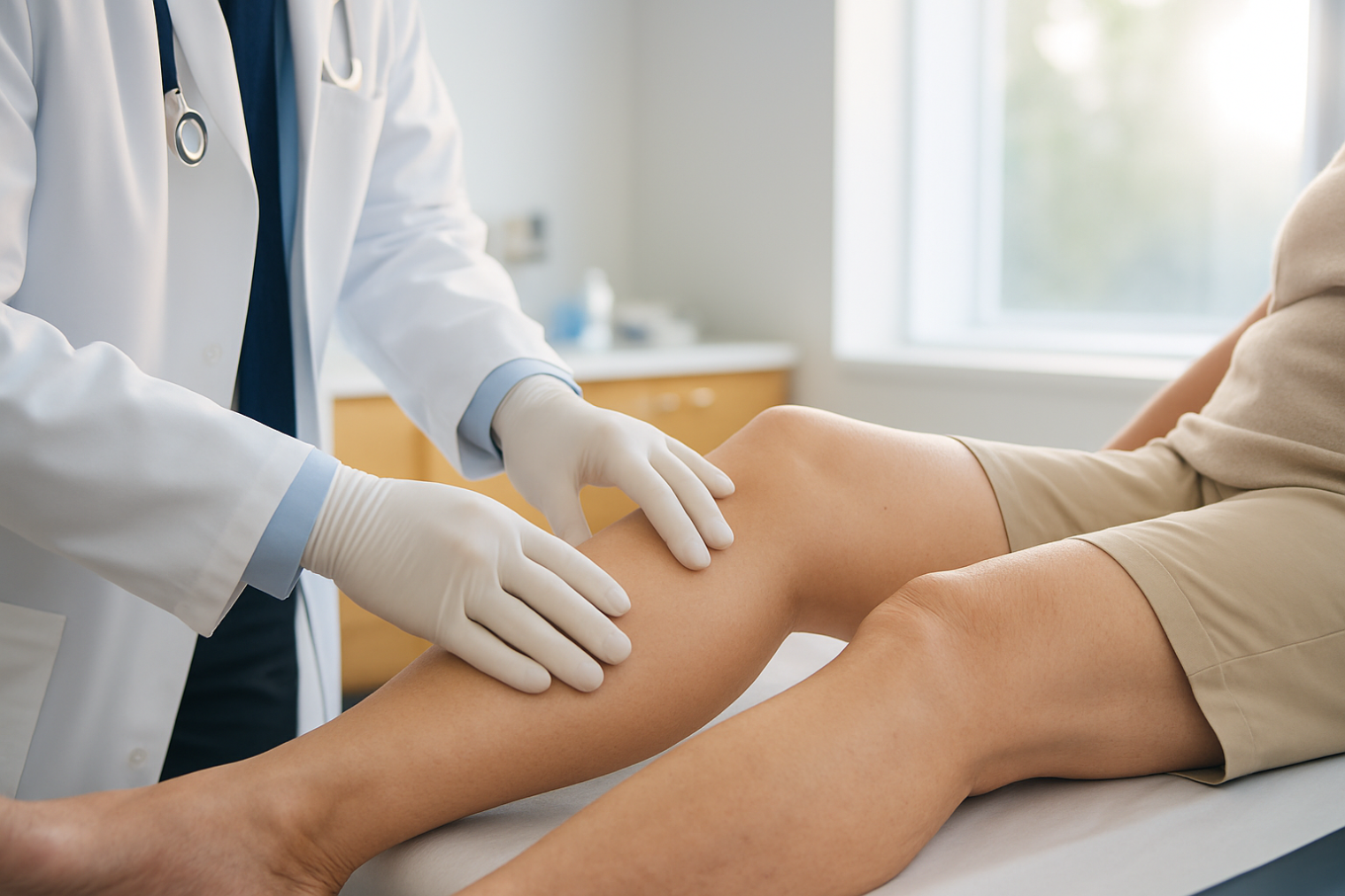
Diagnosing varicose veins typically begins with a detailed medical history and physical examination. A vein specialist evaluates visible veins, reviews symptoms, and asks about family history, lifestyle, and previous medical conditions.
The most valuable diagnostic tool is a duplex ultrasound examination. This painless imaging test allows the physician to observe blood flow in real time while identifying damaged valves, blood pooling, or vein blockages.
Ultrasound helps determine the severity of venous insufficiency and guides treatment planning. Because symptoms like leg cramps can have multiple causes, imaging ensures that circulation problems are accurately identified before treatment begins.
Early diagnosis often prevents progression into more advanced vein disease. Identifying problems before skin changes, ulcers, or severe swelling develop allows patients to receive less invasive treatment with faster recovery.
Anyone experiencing persistent cramps, swelling, aching, or visible enlarged veins should consider scheduling a professional vein evaluation to determine whether poor circulation is contributing to their symptoms.
Treatment Options That May Reduce Leg Cramps
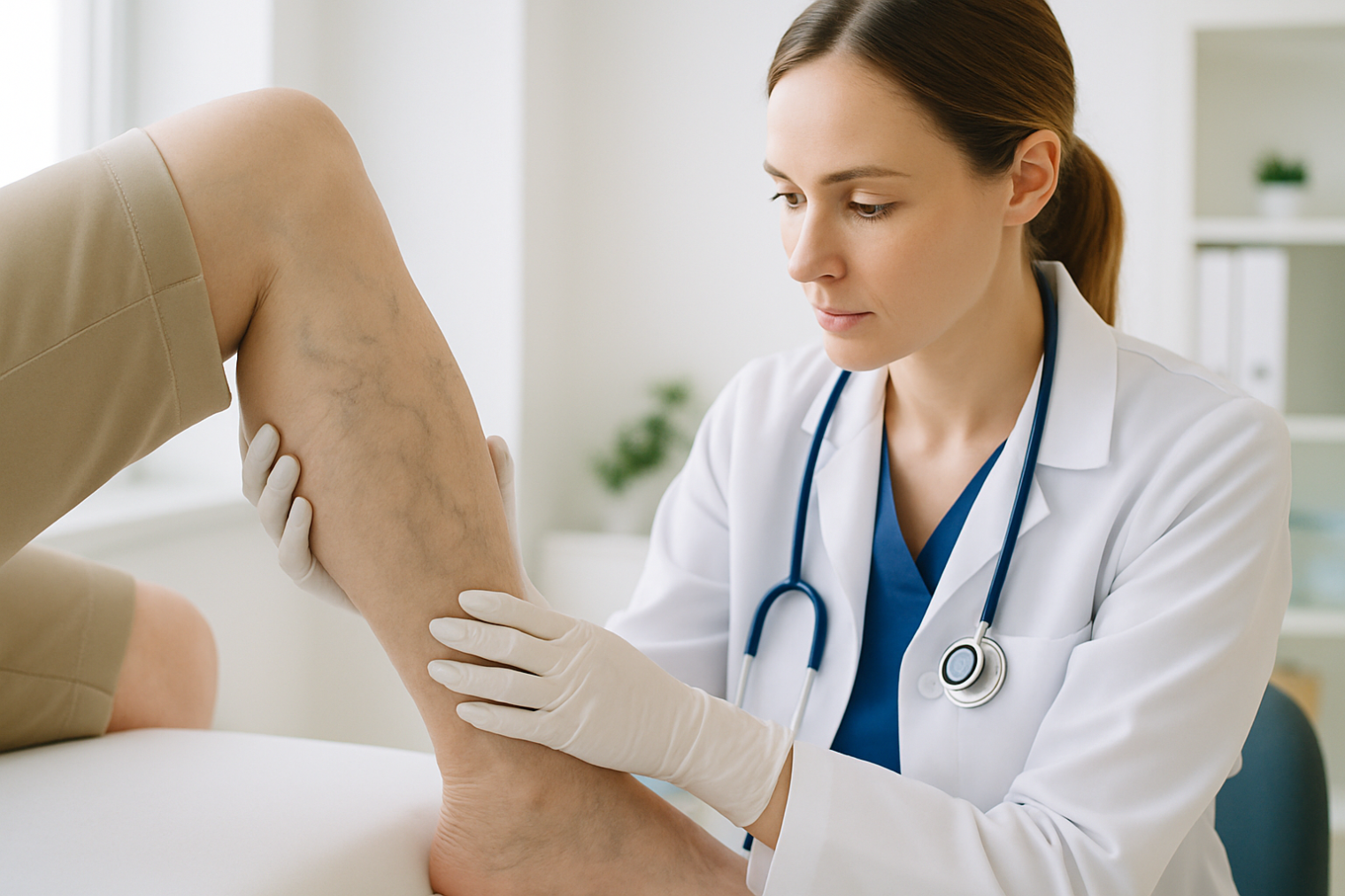
Treatment depends on the severity of vein disease and the patient’s overall health. Many individuals begin with conservative measures such as regular walking, weight management, leg elevation, and compression stockings to improve circulation.
If symptoms persist, minimally invasive procedures often provide significant relief. Treatments such as endovenous laser therapy, radiofrequency ablation, sclerotherapy, and medical adhesive closure target diseased veins while preserving healthy circulation.
These procedures are typically performed in an outpatient setting with little downtime. As circulation improves, many patients report reductions in aching, swelling, heaviness, and nighttime leg cramps.
People searching for Varicose Veins Spider Veins Varicose Veins Doctor Veins Specialist should know that modern vein treatments are highly effective and require far less recovery time than traditional vein surgery. Early intervention often prevents complications while improving comfort and mobility.
When Should You See a Vein Specialist?
Occasional leg cramps are common and may not always indicate vein disease. However, recurring cramps combined with visible varicose veins, swelling, aching, or heaviness deserve medical attention.
Ignoring symptoms can allow chronic venous insufficiency to worsen over time. Progressive vein disease may eventually lead to skin discoloration, ulcers, bleeding veins, or blood clots that require more extensive treatment.
A vein specialist can determine whether symptoms are related to circulation problems or another medical condition. Early evaluation often leads to more treatment options, faster recovery, and improved long-term outcomes.
Conclusion
Varicose veins can indeed contribute to recurring leg cramps by reducing healthy circulation and increasing pressure within the leg veins. While cramps may have many causes, persistent symptoms accompanied by swelling, aching, heaviness, or visible veins should not be ignored. Early evaluation allows a vein specialist to identify the underlying cause and recommend effective treatment before complications develop. Modern minimally invasive procedures can improve circulation, relieve discomfort, and enhance your quality of life. If you are experiencing symptoms of varicose veins or frequent leg cramps, Charming Skin Vein Clinics proudly serves patients throughout Chicago with compassionate, personalized vein care. To schedule a consultation or learn more about your treatment options, call +1 630-974-1400 today.
https://www.buzzsprout.com/2645776/episodes/19735836
https://www.podomatic.com/podcasts/alishamorgan156podcast/episodes/2026-09-01T05_20_17-07_00
https://stream.redcircle.com/episodes/ef47ec20-c8d7-4906-952e-200ac78719a7/stream.mp3