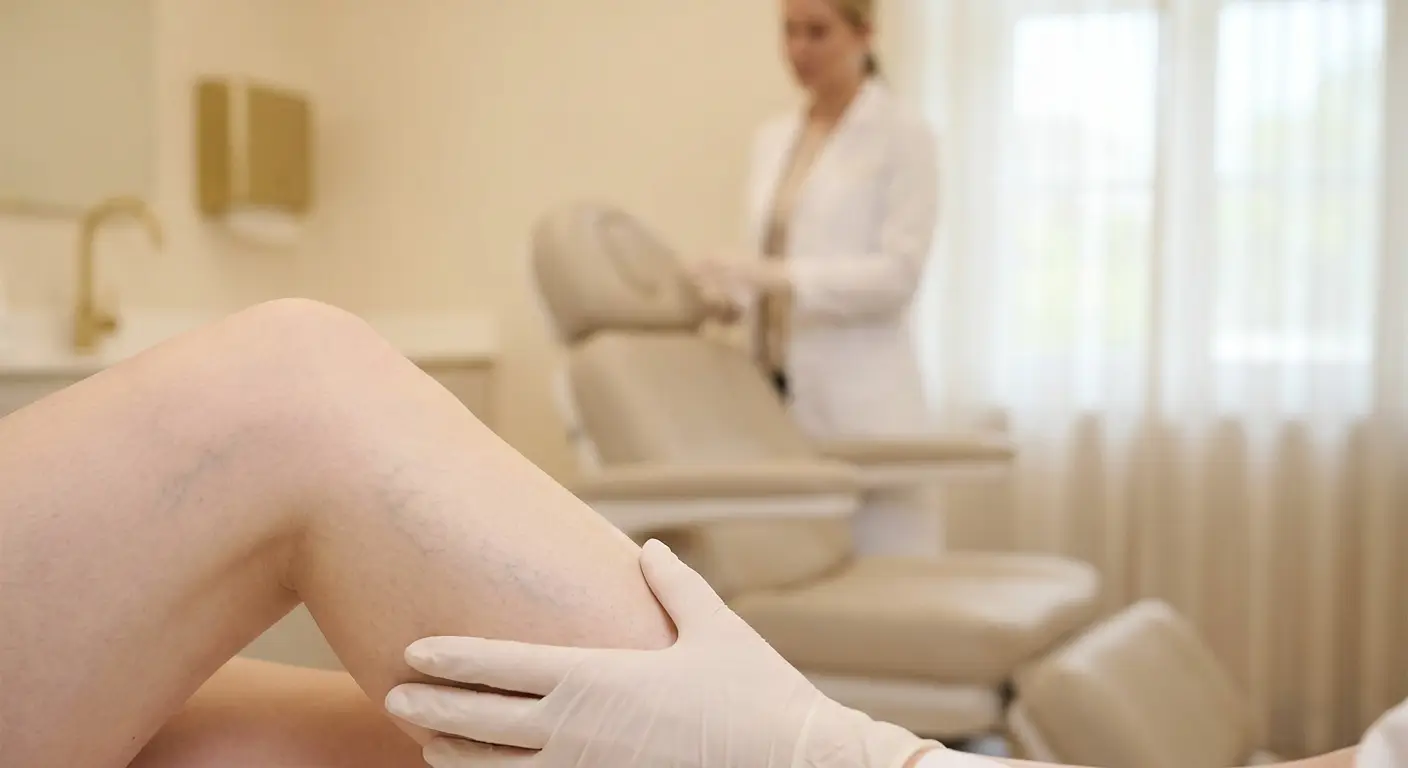
Varicose veins are a common vascular condition that affects millions of people, but many wonder whether they can lead to serious complications such as blood clots. Understanding the relationship between vein health and clot formation is important for recognizing warning signs and seeking timely care. Conditions involving visible or enlarged veins, including Varicose Veins Spider Veins Varicose Veins Doctor Veins Specialist, require proper evaluation because some vein problems can increase the risk of complications.
Varicose veins occur when weakened valves inside the veins allow blood to flow backward and collect in the legs. While most varicose veins are not dangerous, certain cases may be associated with inflammation or clotting concerns. Learning how blood clots develop, what symptoms to watch for, and when to consult a vein specialist can help protect long-term vascular health.
How are varicose veins connected to blood clots?
Varicose veins develop when the veins in the legs have difficulty moving blood efficiently back toward the heart. Healthy veins contain small valves that prevent backward blood flow. When these valves become weak or damaged, blood may pool inside the veins, causing them to enlarge and become twisted or raised under the skin.
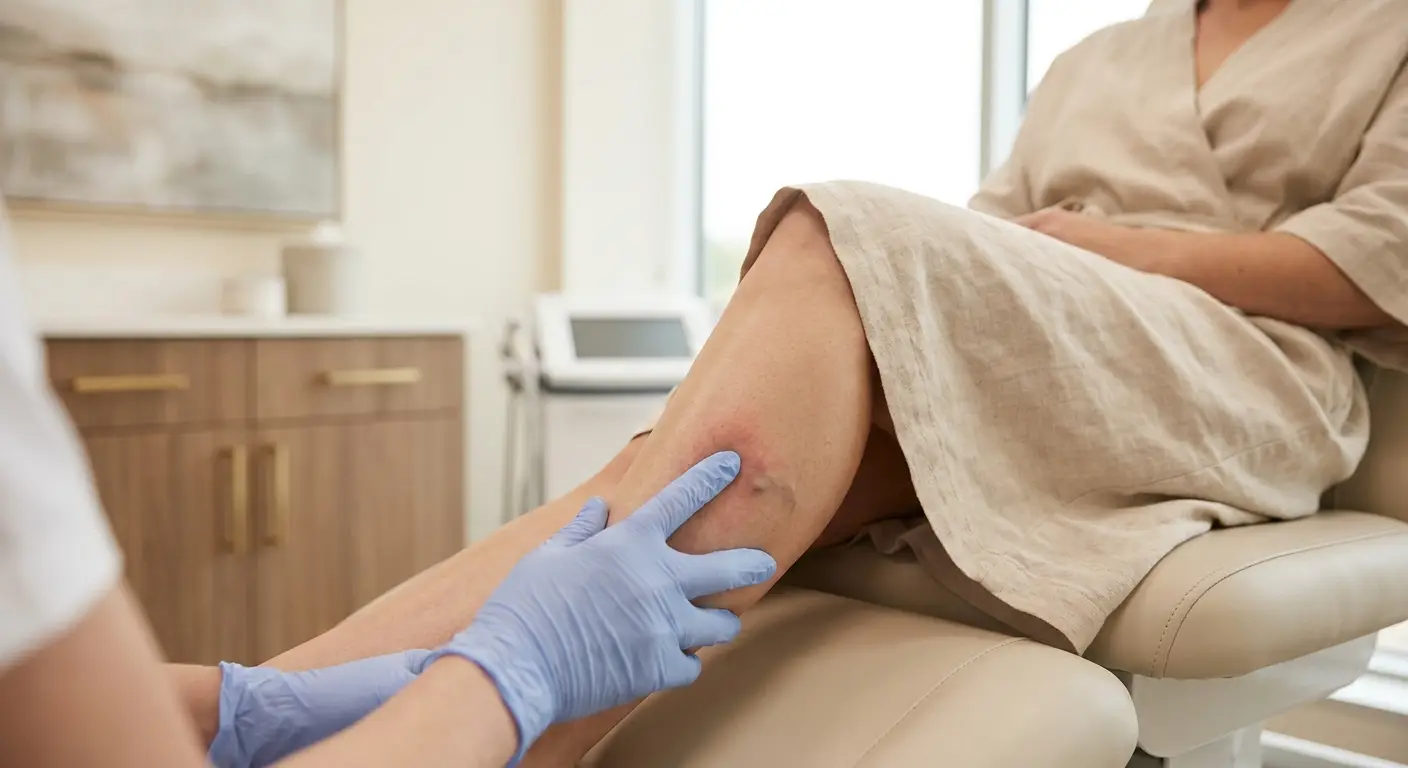
Blood pooling does not automatically mean a clot will form. However, slower blood circulation can create conditions where certain types of clots are more likely to develop. One possible complication is superficial thrombophlebitis, which occurs when a clot forms in a vein close to the surface of the skin. This condition may cause redness, tenderness, swelling, and warmth along the affected vein.
In some situations, people with severe vein disease may also have an increased risk of deep vein thrombosis (DVT). DVT occurs when a clot forms in a deeper vein, usually in the leg. Unlike superficial clots, deep clots can become more serious if they travel to the lungs.
What types of blood clots can occur with vein problems?
Not all blood clots related to vein conditions are the same. The location and severity of the clot determine how it affects the body and what type of treatment may be necessary. The two main concerns associated with vein problems are superficial thrombophlebitis and deep vein thrombosis.
Superficial thrombophlebitis affects veins near the skin’s surface. People with this condition may notice a firm, painful vein that feels like a cord under the skin. The surrounding area may become red, swollen, or sensitive to touch. Although uncomfortable, superficial clots are usually less dangerous than deep vein clots.
Deep vein thrombosis is a more serious condition because it involves larger veins located deeper within the leg. Symptoms may include swelling in one leg, pain or tenderness, warmth, and changes in skin color. In some cases, DVT may occur without noticeable symptoms, making medical evaluation important when risk factors are present.
Can untreated varicose veins increase health risks?
Many people live with varicose veins for years without major complications. However, untreated vein problems can sometimes become more uncomfortable or lead to additional symptoms over time. Chronic blood pooling may place increased pressure on the veins, contributing to swelling, skin changes, and irritation.
One possible concern is the development of inflammation inside a damaged vein. When a vein becomes irritated, the surrounding tissues may become painful and sensitive. In some cases, inflammation may occur alongside clot formation, which requires medical attention.
Advanced vein conditions may also affect skin health. Long-term pressure from poor circulation can contribute to dryness, discoloration, or slow-healing wounds around the ankles. These issues are signs that the veins may not be functioning properly and should be evaluated.
Regular monitoring and early treatment can help reduce discomfort and improve circulation. Lifestyle changes such as staying active, maintaining a healthy weight, avoiding prolonged sitting or standing, and following medical recommendations can support vein health.
What symptoms may indicate a blood clot?
Recognizing possible signs of a blood clot can help people seek medical care before complications develop. Although symptoms vary depending on the location of the clot, certain changes should not be ignored.
A common warning sign is swelling that occurs mainly in one leg. The affected area may feel heavier than usual and may become painful or tender, especially when walking or standing. Warmth, redness, or changes in skin color can also occur.
People with superficial vein clots may notice a painful, hardened vein close to the skin’s surface. The area may feel irritated and uncomfortable. While these symptoms are often less urgent than deep vein clot symptoms, they still require proper evaluation.
More serious warning signs can occur if a clot travels to the lungs. Sudden shortness of breath, chest pain, rapid heartbeat, dizziness, or coughing blood require immediate medical attention.
How do doctors diagnose vein problems and blood clot risks?
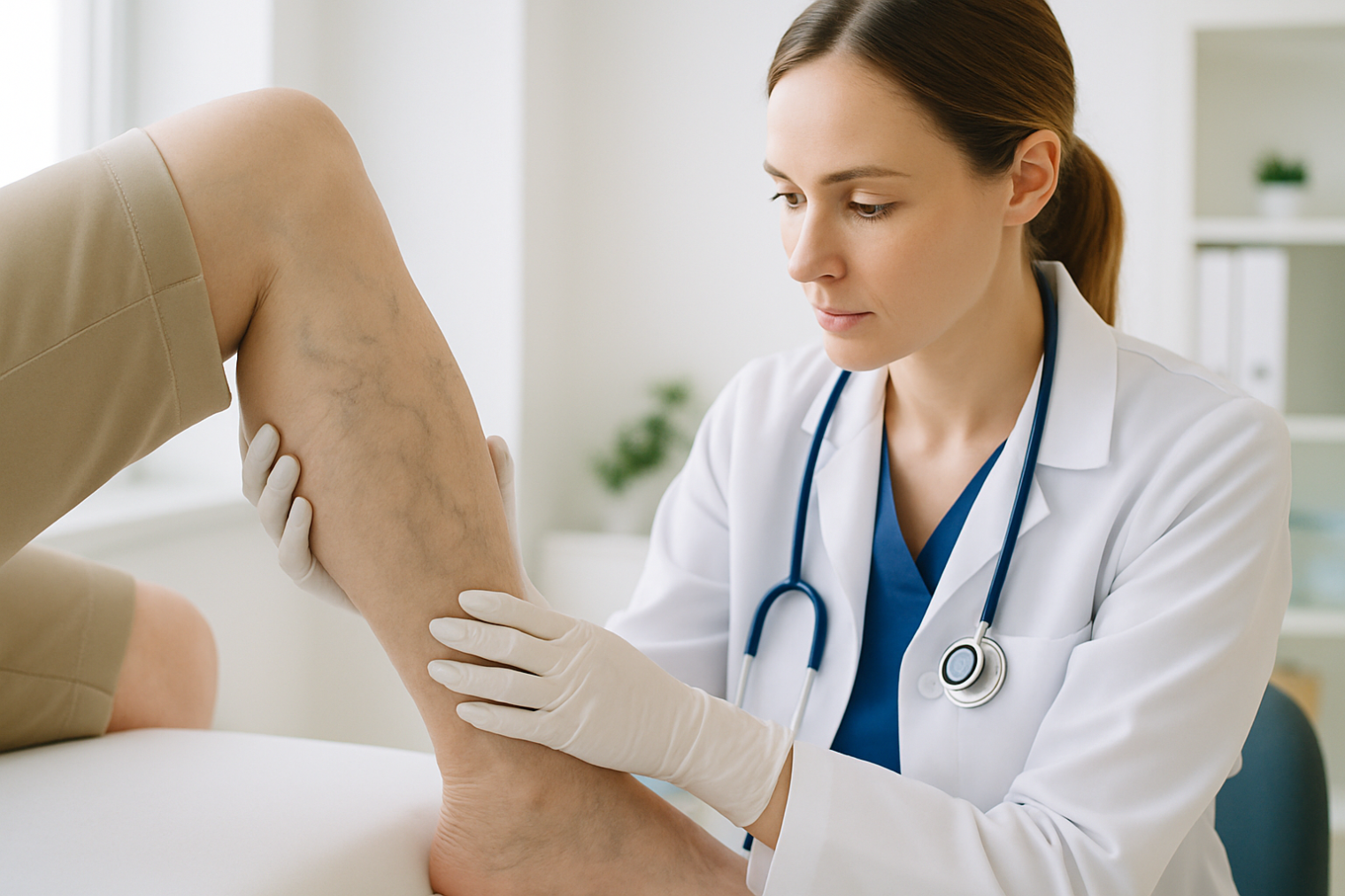
Diagnosing vein conditions involves reviewing symptoms, medical history, and circulation patterns. A doctor may examine the legs to look for visible veins, swelling, skin changes, or areas of tenderness. This physical evaluation helps determine whether additional testing is needed.
One of the most common diagnostic tools is a vascular ultrasound. This noninvasive test uses sound waves to create images of blood flow inside the veins. It can help identify blocked blood flow, valve problems, or the presence of a clot.
Doctors also consider factors that may increase clot risk, including limited mobility, previous clotting problems, certain medical conditions, and family history. A complete evaluation provides a clearer picture of a person’s overall vein health.
Seeing a qualified professional is especially important because symptoms can vary widely. Some people may have visible varicose veins without serious complications, while others may have underlying circulation problems that are not obvious.
What treatments are available for varicose veins?
Treatment for varicose veins depends on the severity of symptoms and the condition of the veins. Many modern treatments focus on improving blood flow while minimizing discomfort and recovery time.
Lifestyle approaches are often recommended for mild symptoms. Regular walking, leg elevation, maintaining a healthy weight, and avoiding long periods of inactivity can support better circulation. Compression stockings may also be suggested to help improve blood movement in the legs.
For more noticeable or persistent vein problems, medical procedures may be considered. Minimally invasive treatments can close or remove problematic veins while allowing healthy veins to continue carrying blood. Options may include procedures that use heat energy, injections, or specialized techniques to treat damaged veins.
The right treatment depends on each patient’s specific condition. A medical evaluation helps determine whether treatment is needed and which approach may provide the best results.
Can lifestyle changes help prevent vein complications?
Healthy daily habits can play an important role in maintaining good circulation and reducing strain on the veins. While lifestyle changes cannot always prevent varicose veins, they may help manage symptoms and support overall vascular wellness.
Physical activity is one of the most effective ways to encourage healthy blood flow. Walking and other low-impact exercises help the leg muscles push blood upward toward the heart. This reduces the amount of pressure placed on the veins.
Maintaining a healthy body weight can also reduce stress on the veins. Excess weight may increase pressure in the lower body and contribute to circulation challenges. Staying hydrated and eating a balanced diet can further support general health.
People who spend long periods sitting or standing should take regular movement breaks. Simple actions such as stretching, changing positions, or briefly walking around can encourage circulation.
When should you see a vein specialist about varicose veins?
Many people delay seeking care because they believe varicose veins are only a cosmetic concern. While appearance is one reason people seek treatment, vein problems can also affect comfort and daily activities.
A consultation with a vein specialist is recommended when symptoms such as leg aching, swelling, heaviness, itching, or nighttime discomfort become frequent. Medical evaluation is also important when veins change quickly or when symptoms appear suddenly.
People with risk factors for blood clots should be especially aware of unusual changes. Sudden swelling, significant pain, warmth, or redness in one leg should be checked promptly.
A specialist can explain whether symptoms are related to simple varicose veins or a more complex circulation issue. Professional assessment allows patients to understand their options and make informed decisions about care.
Conclusion
Varicose veins do not always lead to blood clots, but certain vein conditions can increase the risk of complications that require medical attention. Recognizing symptoms such as swelling, pain, redness, warmth, or changes in the legs can help patients seek care at the right time. Proper diagnosis and treatment can improve circulation and reduce discomfort.
For individuals looking for expert guidance on vein health, Charming Skin Vein Clinics in Chicago provides professional evaluation and treatment options for vein concerns. Their team can help patients understand their condition and choose appropriate care. To schedule a consultation, contact Charming Skin Vein Clinics at +1 630-974-1400 and take the next step toward healthier veins.
thttps://thttps://www.buzzsprout.com/2645776/episodes/19735823
https://www.podomatic.com/podcasts/alishamorgan156podcast/episodes/2026-09-01T05_16_13-07_00
https://stream.redcircle.com/episodes/af80cca0-a32a-481b-ab59-6d9b7443d802/stream.mp3