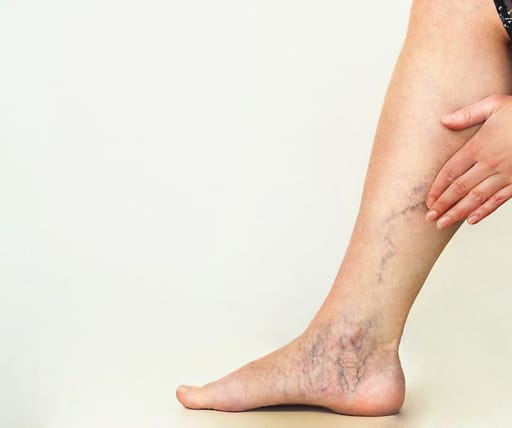
Varicose veins are enlarged, twisted veins that commonly develop in the legs and may cause aching, swelling, heaviness, or visible skin changes. Spider Veins are smaller red, blue, or purple vessels that appear close to the skin’s surface. If you are experiencing either condition, a Varicose Veins Doctor or Veins Specialist can determine the cause and recommend appropriate treatment.
Many people assume vein problems require traditional surgery, but modern vein care offers several minimally invasive alternatives. These treatments can often be performed without large incisions and may involve relatively little downtime. Understanding your options can help you choose the right approach for your symptoms and goals.
What Causes Varicose Veins?
Varicose veins typically develop when valves inside the veins become weak or damaged. These valves normally help blood move toward the heart. When they do not work properly, blood can flow backward and collect inside the veins, increasing pressure and causing them to enlarge.
Age, genetics, pregnancy, prolonged standing, excess weight, and limited physical activity can increase the risk. People who spend many hours sitting or standing may also notice their symptoms becoming more noticeable over time.
Not every visible vein requires treatment. However, symptoms such as persistent aching, swelling, itching, cramping, heaviness, or skin changes may indicate an underlying circulation problem. A professional evaluation can determine whether treatment is appropriate.
Can Varicose Veins Be Treated Without Surgery?
Yes. Many varicose veins can be treated without traditional vein-stripping surgery. Modern procedures can close problematic veins while allowing blood to flow through healthier vessels.
Sclerotherapy, laser treatment, and radiofrequency ablation are among the minimally invasive options available. These procedures generally use injections, small catheters, or targeted energy rather than large surgical incisions.
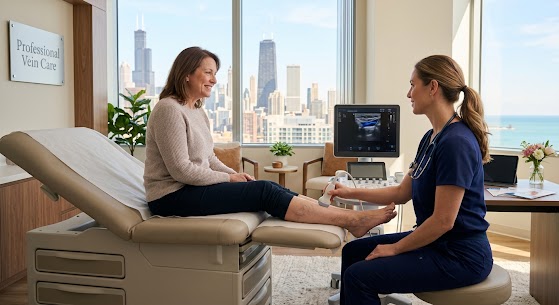
The appropriate treatment depends on the size and location of the veins, symptoms, circulation, and overall health. A Veins Specialist may use ultrasound imaging to evaluate blood flow and identify the affected veins.
For many patients, minimally invasive treatment can provide an alternative to traditional surgery with less disruption to daily activities. However, an individual evaluation is necessary before selecting a procedure.
How Does Sclerotherapy Work?
Sclerotherapy is commonly used for spider veins and certain smaller varicose veins. During treatment, a healthcare professional injects a specialized solution directly into the targeted vein.
The solution causes the vein to collapse and close. Over time, the body absorbs the treated vessel, and blood is redirected through healthier veins.
Sclerotherapy is typically performed in an outpatient setting and does not require traditional surgical incisions. Depending on the number and size of veins being treated, multiple sessions may be recommended.
The treatment is popular because it can improve the appearance of visible veins while addressing the targeted vessels. However, it is not appropriate for every patient or every type of vein problem.
A Varicose Veins Doctor can determine whether sclerotherapy is suitable after examining your veins and symptoms.
What Is Endovenous Laser Treatment?
Endovenous laser treatment uses controlled laser energy to close certain problematic veins. A small catheter is inserted into the affected vein, and laser energy heats the vein from inside.
The treated vein closes, and blood is redirected through healthier vessels. The body gradually absorbs the closed vein over time.
Because the procedure generally involves a small access point rather than a large incision, recovery can be shorter than with traditional vein surgery. Patients can receive specific instructions regarding walking, exercise, compression, and other activities after treatment.
Laser treatment may be recommended for larger veins associated with venous insufficiency. Ultrasound imaging is often used to determine whether the procedure is appropriate.
How Does Radiofrequency Ablation Work?
Radiofrequency ablation is another minimally invasive option for certain varicose veins. It uses controlled radiofrequency energy to heat and close the affected vein.
Once the vein is sealed, blood naturally moves through healthier veins. The body eventually processes the treated vessel.
The procedure is performed through a small catheter and generally does not involve the large incisions associated with traditional vein surgery. Recovery recommendations vary depending on the patient’s condition and the specific procedure.
A professional evaluation is important because radiofrequency ablation is not appropriate for every type of vein problem. Ultrasound can help determine the location and severity of venous issues before treatment.
Can Compression Help With Symptoms?
Compression therapy can help manage symptoms associated with some vein conditions, although it does not permanently remove existing varicose veins. Compression stockings apply pressure to the legs and can support blood flow toward the heart.
Some people experience less swelling, aching, heaviness, and discomfort when using compression appropriately. They may be especially helpful for individuals who spend long periods standing or sitting.
Regular walking, maintaining a healthy weight, taking movement breaks, and elevating the legs may also help manage symptoms.
However, these measures generally manage symptoms rather than eliminate damaged veins. If discomfort continues or worsens, professional evaluation can determine whether additional treatment is needed.

Can Lifestyle Changes Help?
Healthy lifestyle habits can support circulation and may help manage vein-related symptoms. Regular walking and physical activity encourage the leg muscles to assist blood movement back toward the heart.
Maintaining a healthy weight can also reduce pressure on the veins. If your daily routine involves prolonged sitting, taking regular movement breaks may be beneficial. People who stand for long periods can also benefit from changing positions and walking periodically.
Lifestyle changes cannot guarantee that existing varicose veins will disappear. However, they can complement professional treatment and support overall vein health.
If symptoms include persistent swelling, pain, skin discoloration, or sores, lifestyle changes should not replace medical evaluation.
When Should You See a Vein Specialist?
Visible veins are not always a medical concern, but persistent symptoms should be evaluated. Aching, heaviness, swelling, itching, cramping, burning, or changes in the skin may indicate an underlying vein problem.
Sudden swelling, significant pain, redness, or warmth should receive prompt medical attention, especially when symptoms develop unexpectedly.
During an evaluation, a provider may examine the legs, review your symptoms and medical history, and perform an ultrasound. This can help identify circulation problems and determine whether treatment is necessary.
Seeing a Veins Specialist does not automatically mean you will need surgery. Modern vein care provides several minimally invasive approaches that may be appropriate depending on your condition.
Are Spider Veins Treated Differently?
Spider veins are smaller blood vessels that typically appear close to the surface of the skin. They can form red, blue, or purple patterns and are often considered a cosmetic concern.
Sclerotherapy is commonly used to treat spider veins, while certain laser treatments may also be appropriate. The best option depends on the size, location, and characteristics of the vessels.
A professional evaluation can also determine whether visible spider veins are associated with a deeper vein problem. Treating the underlying condition may be important when symptoms are present.
Conclusion
Varicose veins can often be treated without traditional surgery. Minimally invasive options such as sclerotherapy, endovenous laser treatment, and radiofrequency ablation may close problematic veins while allowing blood to flow through healthier vessels. Compression and healthy lifestyle habits can also help manage symptoms.
Spider veins may require different treatment, making a professional evaluation important before choosing an approach. If you experience persistent pain, swelling, heaviness, or skin changes, consider consulting a qualified vein professional.
For patients in Chicago, Charming Skin Vein Clinics can evaluate your vein concerns and discuss appropriate treatment options. Call 630-974-2400 to learn more or schedule an evaluation.