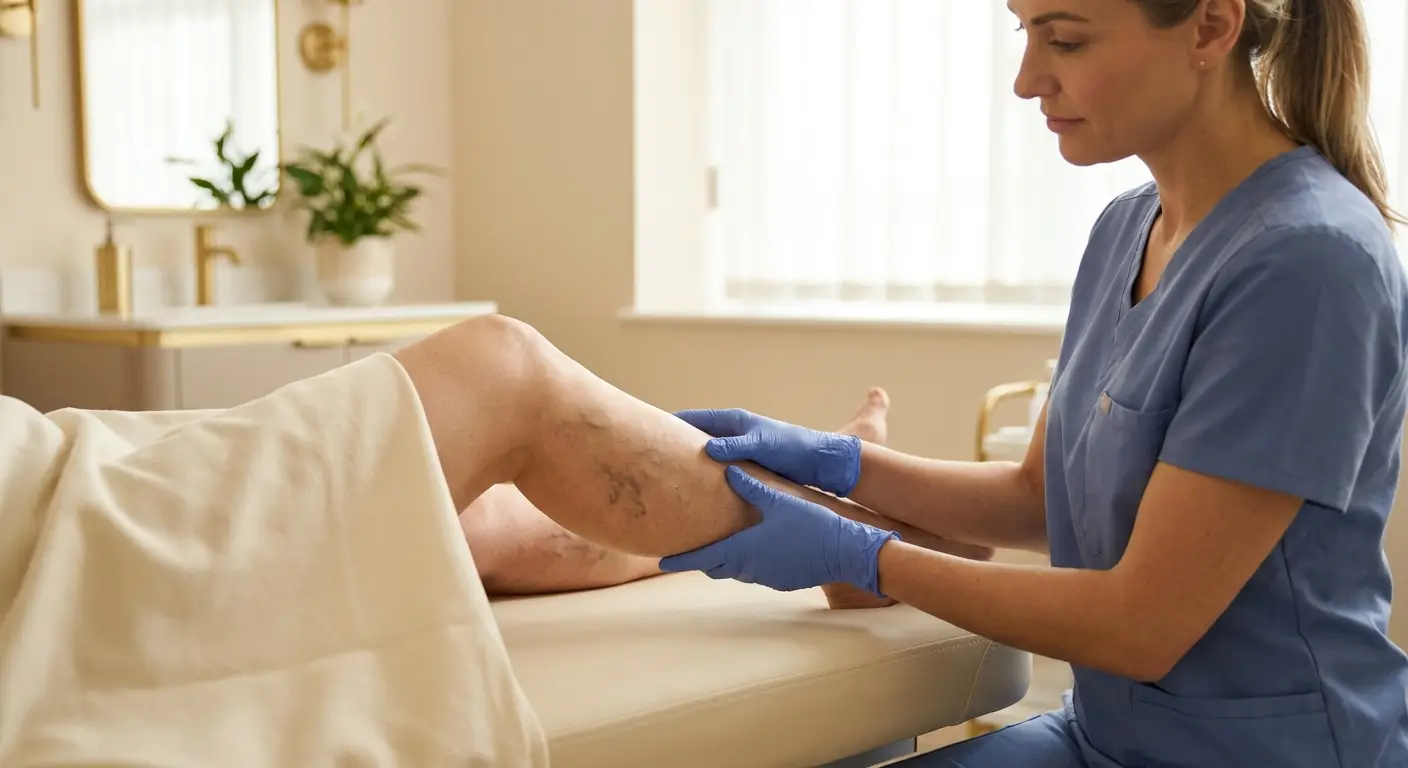
Can varicose veins be cured permanently? This is a common question for people dealing with Varicose Veins, Spider Veins, Varicose Veins Doctor, or a Veins Specialist. Varicose veins are enlarged, twisted veins that typically develop when weakened valves allow blood to pool in the legs instead of flowing efficiently toward the heart.
Modern treatments can close, remove, or significantly reduce affected veins and often provide long-lasting results. However, treating existing veins does not guarantee that new ones will never develop.
Understanding how varicose veins develop, which treatments are available, and what can influence recurrence can help you make informed decisions about your vein health.
Can Varicose Veins Be Permanently Removed?
Varicose veins can often be treated successfully. Procedures can close or remove unhealthy veins, allowing blood to redirect through healthier vessels. Treatments may include sclerotherapy, laser therapy, radiofrequency ablation, or minimally invasive vein removal.
A treated vein generally does not reopen after it has been successfully closed or removed. However, this does not mean that a person can never develop another varicose vein.
The underlying tendency toward venous disease can remain. Genetics, aging, pregnancy, prolonged standing, weight, and other factors may increase the likelihood of developing additional vein problems.
For this reason, it is more accurate to say that treatment can permanently address the specific veins being treated rather than guarantee lifelong prevention of all future varicose veins.
The goal of professional treatment is also not simply to improve appearance. For patients experiencing aching, swelling, heaviness, or other symptoms, treating problematic veins may improve comfort and quality of life.
Why Do Varicose Veins Come Back?
When new veins become visible after treatment, patients may think their original varicose veins have returned. Often, the newly visible veins are actually different veins that have developed problems over time.
Healthy veins contain valves that help blood move toward the heart. When these valves become weakened or damaged, blood can flow backward and collect in the veins. This increased pressure can cause veins to enlarge and become twisted.
Treatment can eliminate or close a problematic vein, but it cannot change every factor that contributes to venous disease. A person with a family history of varicose veins, for example, may continue to have a higher risk of developing new ones.
Regular movement, maintaining a healthy weight, and avoiding long periods of sitting or standing may support circulation. However, these measures cannot guarantee that new veins will not develop.
If symptoms or visible veins return, a professional evaluation can determine whether additional treatment is appropriate.

What Treatments Can Eliminate Varicose Veins?
Several modern treatments can effectively address varicose veins. The best option depends on the size and location of the veins, symptoms, blood flow, and overall vein health.
Sclerotherapy involves injecting a solution into a problematic vein, causing it to close and gradually fade. It is commonly used for smaller varicose veins and spider veins.
Laser and radiofrequency treatments use heat to close unhealthy veins. These minimally invasive procedures allow blood to reroute through healthier veins and are commonly used for larger veins.
Ambulatory phlebectomy is another option for certain visible varicose veins. During this procedure, a healthcare professional removes targeted veins through very small skin openings.
Traditional surgery may be considered in selected cases, although many patients can now be treated with less invasive techniques.
Because every vein condition is different, a Varicose Veins Doctor should evaluate the patient before recommending a specific procedure. Proper diagnosis helps ensure that treatment addresses the underlying problem rather than only the visible vein.
Can Spider Veins Be Cured Permanently?
Spider veins are small, visible blood vessels that can appear red, blue, or purple beneath the skin. They often have a web-like or branching appearance and are commonly found on the legs.
Although spider veins are usually harmless, many people choose treatment because they are concerned about their appearance. Sclerotherapy and laser treatments are commonly used to reduce or eliminate visible spider veins.
A successfully treated vessel can fade and remain gone. However, new spider veins may appear in other areas over time.
This is because treatment addresses the vessels that are already visible rather than eliminating every factor that may contribute to future vein development.
Some people need multiple treatment sessions depending on the number, size, and location of their spider veins. Results may also take time to become fully visible.
If spider veins occur alongside pain, swelling, skin changes, or other symptoms, professional evaluation is important. These symptoms may indicate an underlying venous condition that requires more than cosmetic treatment.
How Does a Varicose Veins Doctor Choose Treatment?
The right treatment begins with an accurate evaluation. A Varicose Veins Doctor may examine the legs and ask about symptoms such as aching, swelling, heaviness, itching, cramping, or discomfort.
A duplex ultrasound may be recommended to examine blood flow and determine whether the valves inside the veins are functioning properly. This can identify underlying venous problems that are not obvious from the skin’s appearance.
Treatment varies depending on the patient’s condition. Someone with small spider veins may need a different procedure from someone with larger varicose veins caused by significant venous reflux.
A professional evaluation also helps determine whether symptoms are related to varicose veins or another medical issue.
Discussing your medical history, symptoms, expectations, and treatment options with a qualified provider can help you choose an appropriate approach. The objective should be effective treatment based on your individual condition rather than a one-size-fits-all solution.
Can Lifestyle Changes Prevent New Varicose Veins?
Lifestyle changes cannot completely prevent varicose veins, especially when factors such as genetics and aging are involved. However, healthy habits can support circulation and help manage symptoms.
Regular walking and physical activity encourage the leg muscles to help move blood through the veins. Avoiding long periods of sitting or standing may also reduce discomfort for some people.
Maintaining a healthy weight can reduce pressure on the veins. Elevating the legs while resting may also help relieve swelling and heaviness.
Compression stockings may be recommended for certain patients. They provide graduated pressure that can help support blood flow through the legs and reduce symptoms.
These strategies should not replace professional treatment when significant vein disease is present. Instead, they can complement a treatment plan and contribute to better long-term vein care.
If new varicose veins or symptoms develop despite healthy habits, a professional evaluation can determine whether additional treatment is needed.

When Should You See a Veins Specialist?
Not every visible vein requires treatment. However, symptoms such as persistent aching, swelling, heaviness, burning, cramping, itching, or skin changes should not be ignored.
A Veins Specialist can evaluate visible veins and determine whether an underlying circulation problem is contributing to them. Diagnostic imaging may be used when necessary to understand how blood is moving through the veins.
Prompt medical attention is particularly important when a vein suddenly becomes painful, warm, swollen, red, or tender. These symptoms can sometimes be associated with a blood clot and should be evaluated by a healthcare professional.
Seeing a specialist does not automatically mean you need a procedure. Depending on your condition, recommendations may include monitoring, lifestyle measures, compression, or an appropriate minimally invasive treatment.
Getting an accurate diagnosis is the first step toward choosing the right solution and understanding what results you can realistically expect.
What Can You Expect After Treatment?
Recovery depends on the treatment performed and the condition of the veins. Many modern vein procedures are minimally invasive and performed on an outpatient basis.
Results may not appear immediately. Treated veins can gradually fade over time, and some patients may need more than one session to achieve their desired results.
Following your provider’s instructions after treatment is important. Recommendations may include walking, wearing compression garments, limiting certain activities temporarily, or attending follow-up appointments.
It is also important to maintain realistic expectations. Successfully treating existing veins does not guarantee that new varicose or spider veins will never develop.
Regular movement, healthy weight management, and professional follow-up can support long-term vein health. If new symptoms or prominent veins appear, an evaluation can determine whether another vein has become affected.
Conclusion
Varicose veins can often be treated successfully, and the specific veins that are closed or removed may remain gone. However, new varicose or spider veins can develop because the underlying factors contributing to venous disease may continue over time.
Modern treatments such as sclerotherapy, laser therapy, radiofrequency ablation, and minimally invasive vein removal can provide effective and long-lasting results for appropriate patients. The best treatment depends on the individual’s symptoms, vein condition, and diagnostic findings.
If you are concerned about Varicose Veins or Spider Veins, working with a qualified Varicose Veins Doctor or Veins Specialist can help you understand your options.
For professional vein care in Oak Brook, contact Charming Skin Vein Clinics at 630-974-2400 to discuss your concerns and treatment options.