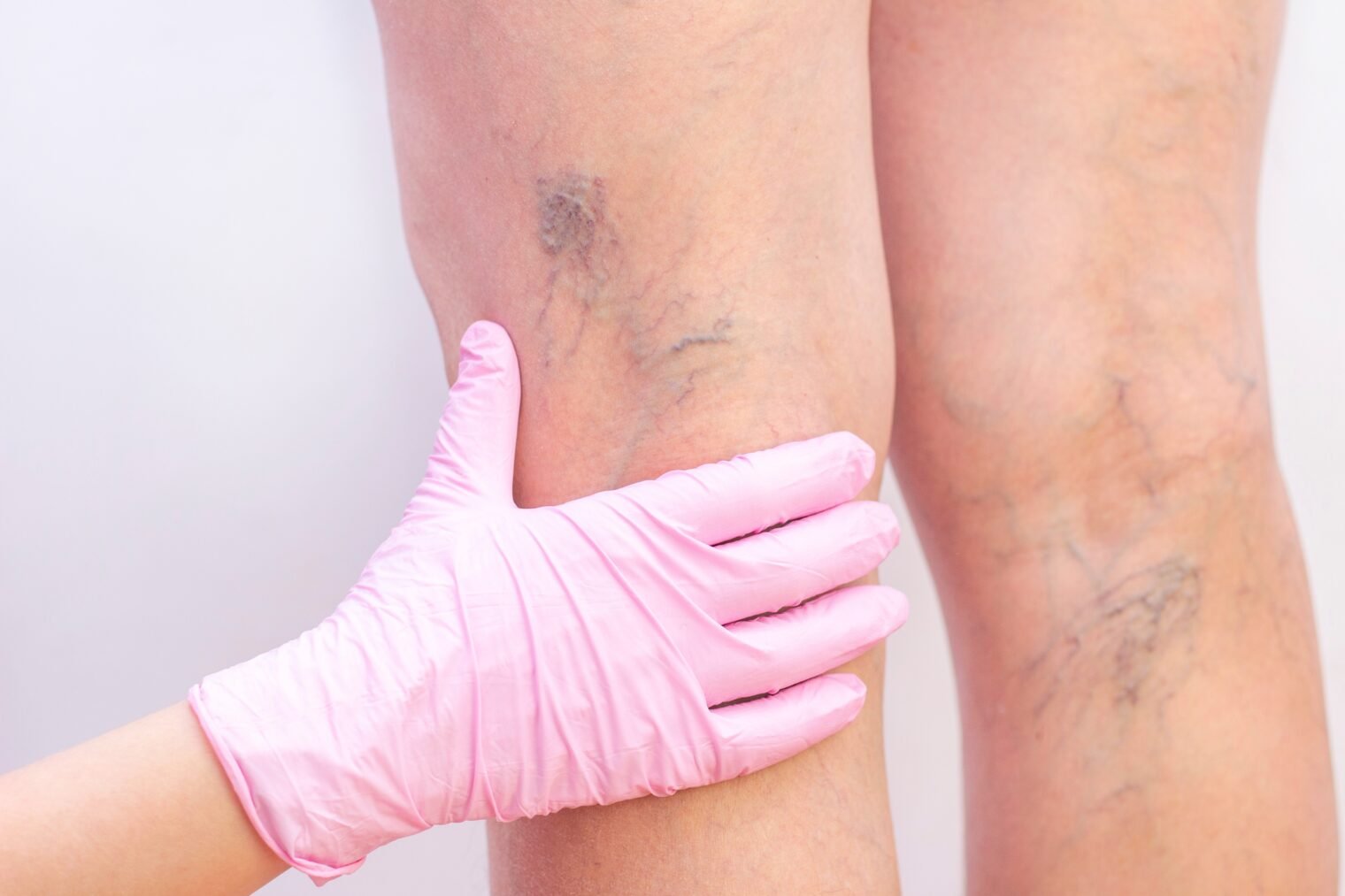
Many people notice bulging or discolored veins and wonder whether discomfort is a normal part of the condition. If you are searching for answers about Varicose Veins Spider Veins Varicose Veins Doctor Veins Specialist, understanding why some veins become tender while others remain painless can help you know when to seek medical care. Although varicose veins are often viewed as a cosmetic concern, they can also cause aching, swelling, and sensitivity that may interfere with everyday activities.
Knowing what causes tenderness and when it signals a more serious issue is important for protecting your vascular health. This guide explains why varicose veins may hurt when touched, what symptoms to watch for, available treatment options, and when it is time to visit a healthcare professional. Understanding these factors allows you to make informed decisions and improve your long-term comfort and circulation.
Why Can Varicose Veins Become Painful?
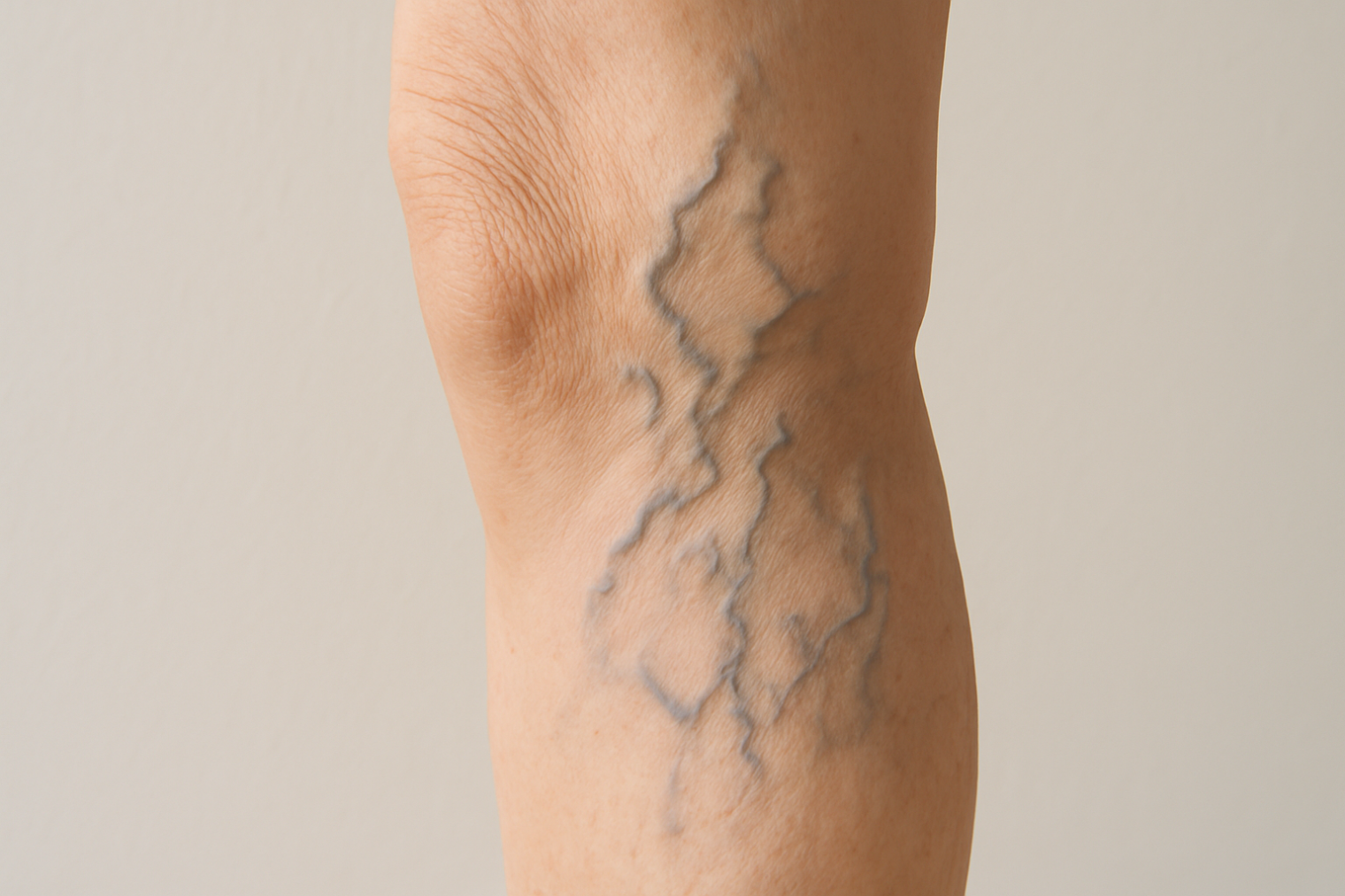
Varicose veins develop when the valves inside the veins weaken or become damaged. Instead of moving efficiently back toward the heart, blood pools inside the veins, causing them to enlarge and twist beneath the skin. This increased pressure stretches the vein walls, making them more sensitive to touch.
Not everyone experiences pain. Some people have noticeable varicose veins with little discomfort, while others develop tenderness, aching, heaviness, or throbbing sensations. Pain often becomes more noticeable after standing for extended periods, during hot weather, or at the end of the day.
Inflammation surrounding the affected vein can also contribute to tenderness. As pressure builds, nearby tissues may become irritated, leading to soreness when clothing rubs against the area or when gentle pressure is applied.
A Varicose Veins Spider Veins Varicose Veins Doctor Veins Specialist can determine whether the pain is simply related to vein enlargement or whether another vascular condition requires treatment. Early evaluation helps prevent worsening symptoms while improving overall leg comfort and circulation.
What Does Varicose Vein Pain Feel Like?
Pain associated with varicose veins varies significantly from person to person. While some individuals only experience mild tenderness when touching the affected vein, others report constant aching throughout the day.
Many patients describe the discomfort as a dull ache, burning sensation, heaviness, or throbbing feeling. The affected area may also feel warm or sensitive, particularly after physical activity or prolonged standing. Some people notice itching around the enlarged veins, which can become irritating if left untreated.
Touching the vein itself may produce soreness because the vein wall is stretched and inflamed. In certain cases, even light pressure from clothing or crossing the legs can trigger discomfort.
The severity of symptoms does not always correspond to the size of the vein. Small veins can sometimes produce significant discomfort, while larger veins may cause very little pain. This is why a professional evaluation is important.
Understanding your symptoms allows healthcare providers to recommend the most appropriate treatment plan before complications develop or symptoms begin affecting your quality of life.
When Is Tenderness a Cause for Concern?
Mild tenderness is common with varicose veins, but sudden or severe pain should never be ignored. While many cases are harmless, significant changes in symptoms may indicate inflammation or a more serious vascular condition.
Pain accompanied by redness, warmth, swelling, or firmness along the vein could suggest superficial thrombophlebitis, an inflammation caused by a blood clot near the surface. Although this condition often remains localized, it should still be evaluated by a medical professional.
If swelling affects the entire leg, severe pain develops suddenly, or breathing difficulties occur alongside leg symptoms, immediate medical attention is necessary because these signs could indicate a deep vein thrombosis or another serious complication.
Regular monitoring helps identify problems before they progress. A Varicose Veins Spider Veins Varicose Veins Doctor Veins Specialist can perform diagnostic ultrasound imaging to determine the underlying cause of tenderness and recommend appropriate treatment if needed.
Seeking timely medical care often leads to better outcomes while reducing the risk of long-term vein damage.
Factors That Make Varicose Veins More Sensitive
Several lifestyle and medical factors can increase discomfort associated with varicose veins. Standing or sitting for extended periods allows blood to pool in the lower legs, increasing pressure inside weakened veins.
Excess body weight places additional stress on the circulatory system, making symptoms more noticeable. Pregnancy commonly contributes to varicose veins because hormonal changes relax blood vessel walls while increased blood volume raises venous pressure.
Age also plays an important role. As people grow older, vein walls naturally lose elasticity, increasing the likelihood of valve dysfunction. Family history further raises the risk, making genetics one of the strongest contributors.
Heat exposure may temporarily worsen symptoms by causing veins to expand. Many patients notice increased aching during summer months or after hot baths.
Managing these contributing factors through regular exercise, maintaining a healthy weight, elevating the legs, and wearing compression stockings may significantly reduce tenderness while supporting healthier circulation.
Can Spider Veins Hurt Too?
Spider veins are generally smaller and closer to the skin’s surface than varicose veins. They usually appear as thin red, blue, or purple lines that resemble spider webs or tree branches.
Although spider veins are often painless, some individuals experience mild burning, itching, or sensitivity around the affected area. Symptoms tend to be less severe than those associated with larger varicose veins because spider veins involve smaller blood vessels.
However, underlying venous insufficiency may cause both spider veins and varicose veins to develop simultaneously. In these situations, discomfort may originate from the deeper damaged veins rather than the visible spider veins themselves.
Professional evaluation helps determine whether cosmetic concerns are accompanied by underlying circulation problems. Treating the root cause rather than only the visible veins often produces better long-term symptom relief.
Early diagnosis also prevents progression into larger, more symptomatic varicose veins over time.
How Are Painful Varicose Veins Diagnosed?
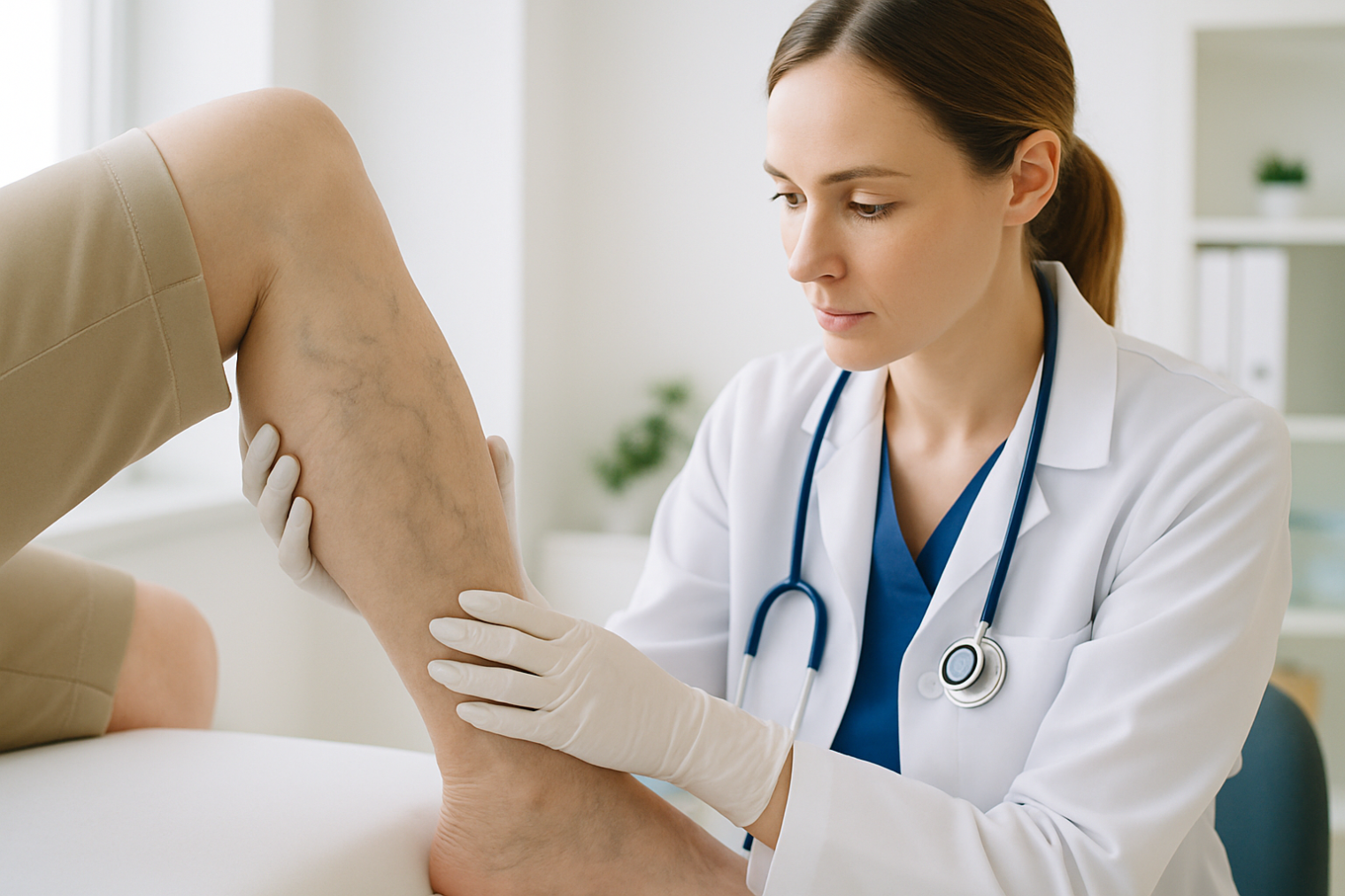
Diagnosing painful varicose veins begins with a detailed discussion of symptoms, medical history, and lifestyle factors. During the physical examination, a provider evaluates the appearance of the veins while checking for swelling, skin changes, and tenderness.
One of the most valuable diagnostic tools is duplex ultrasound. This painless imaging test shows how blood flows through the veins and identifies damaged valves or abnormal circulation patterns that may not be visible externally.
The ultrasound also helps rule out blood clots and determines whether deeper veins are functioning properly. This information guides treatment decisions and ensures that care addresses the underlying problem rather than only the visible symptoms.
Accurate diagnosis allows healthcare providers to recommend personalized treatment based on symptom severity, vein size, and overall vascular health.
Treatment Options for Painful Varicose Veins
Treatment depends on symptom severity, overall health, and the condition of the affected veins. Conservative approaches often include compression stockings, regular walking, leg elevation, and weight management to improve circulation.
When symptoms persist despite lifestyle changes, minimally invasive procedures may provide long-lasting relief. Modern treatments include endovenous laser therapy, radiofrequency ablation, ultrasound-guided sclerotherapy, and ambulatory phlebectomy. These procedures typically require little downtime while effectively closing or removing damaged veins.
A Varicose Veins Spider Veins Varicose Veins Doctor Veins Specialist will recommend the most appropriate option after reviewing ultrasound findings and discussing your goals.
Today’s advanced vein treatments focus on improving both comfort and appearance while minimizing recovery time. Many patients return to normal daily activities shortly after treatment and experience significant improvement in symptoms over the following weeks.
Preventing Future Vein Discomfort
Although not every case of varicose veins can be prevented, healthy habits greatly reduce the risk of symptom progression. Staying physically active encourages healthy blood flow and strengthens the muscles that help pump blood back toward the heart.
Avoid remaining in one position for long periods. If your work requires prolonged sitting or standing, take short walking breaks or perform simple calf exercises throughout the day.
Maintaining a healthy body weight decreases pressure on the veins, while compression stockings may provide additional support for individuals at higher risk. Elevating the legs above heart level for several minutes each day also helps reduce swelling and discomfort.
Regular checkups become especially important if you have a family history of vein disease or previously experienced varicose vein symptoms. Early intervention often prevents minor discomfort from becoming a chronic vascular problem.
Conclusion
Tenderness in varicose veins can range from mild sensitivity to significant discomfort, depending on the severity of the underlying vein disease. While occasional soreness is common, persistent pain, swelling, redness, or sudden changes should always be evaluated by a healthcare professional. Early diagnosis allows treatment before complications develop and helps improve both comfort and circulation.
If you are experiencing painful or unsightly veins, Charming Skin Vein Clinics proudly serves patients throughout Chicago with comprehensive vein evaluations and advanced treatment options. Whether you are concerned about spider veins or larger varicose veins, their experienced team can help you find the right solution. To schedule a consultation or learn more about your treatment options, call +1 630-974-1400 today.
https://www.buzzsprout.com/2645776/episodes/19735813
https://www.podomatic.com/podcasts/alishamorgan156podcast/episodes/2026-09-01T05_13_04-07_00
https://stream.redcircle.com/episodes/50ca8a06-b510-4657-a41d-327f1e507bde/stream.mp3