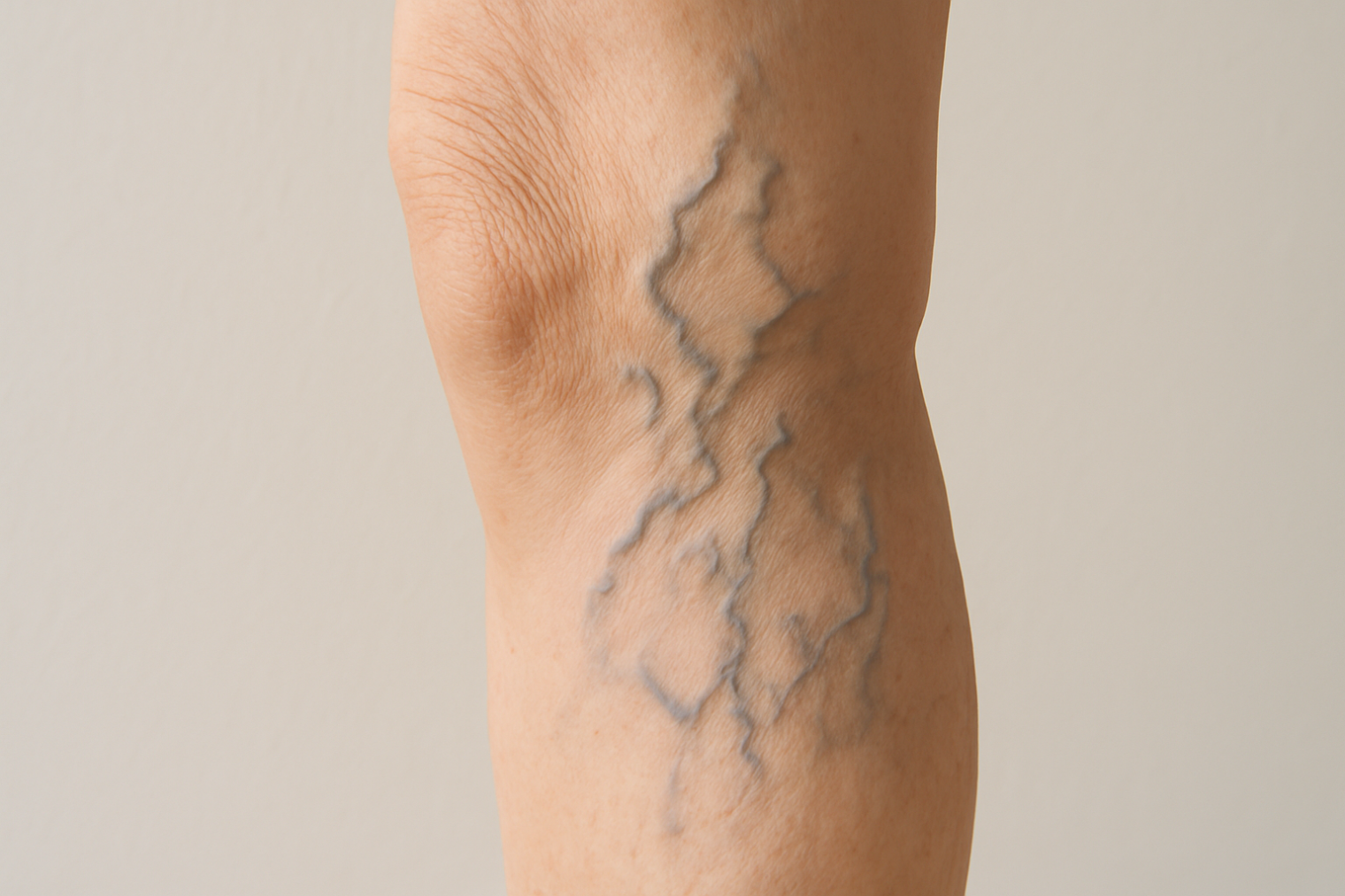
Varicose veins are enlarged, twisted veins that commonly appear on the legs. Although they are often viewed as a cosmetic concern, Varicose Veins, Spider Veins, Varicose Veins Doctor, and Veins Specialist care can become important when symptoms such as pain, swelling, itching, or heaviness develop. In some cases, varicose veins may indicate an underlying circulation problem.
Understanding the difference between harmless visible veins and symptoms that require professional attention can help you protect your vein health. Knowing the causes, warning signs, potential complications, and treatment options can also help you determine when it is time to seek medical advice.
What Causes Varicose Veins?
Varicose veins develop when valves inside the veins do not function properly. These valves normally help blood move toward the heart while preventing it from flowing backward. When the valves weaken, blood can collect inside the veins, causing them to enlarge.
Age, genetics, pregnancy, prolonged standing, and excess weight can increase the risk of developing varicose veins. Limited physical activity may also contribute to poor circulation in the legs.
Not everyone with varicose veins develops serious problems. However, changes in appearance combined with pain, swelling, or skin changes may indicate an underlying vein condition that should be evaluated.
Are Varicose Veins Dangerous?
For many people, varicose veins are not immediately dangerous. They may cause cosmetic concerns or mild symptoms without leading to significant health problems.
However, some people experience complications. Persistent swelling, aching, itching, skin discoloration, or heaviness may indicate that circulation is being affected.
More advanced cases can sometimes contribute to inflammation, bleeding, skin ulcers, or blood clots. These complications are not inevitable, but they demonstrate why persistent symptoms should not be ignored.
A Varicose Veins Doctor can evaluate your symptoms and determine whether the veins are simply cosmetic or connected to an underlying circulation problem.

How Are Spider Veins Different?
Spider Veins are smaller than varicose veins and usually appear as thin red, blue, or purple lines close to the skin. They may form branching patterns that resemble a spider web and are often primarily cosmetic.
Varicose veins are typically larger, raised, and twisted. They are more likely to cause physical symptoms such as aching, heaviness, swelling, or discomfort.
Both conditions can be associated with aging, genetics, hormonal changes, pregnancy, and prolonged standing. Because visible veins can sometimes occur alongside underlying vein problems, professional evaluation may be helpful.
A Veins Specialist can examine your veins and determine whether additional testing or treatment is appropriate.
What Symptoms Should You Watch For?
Visible, enlarged veins are the most obvious sign of varicose veins, but other symptoms may develop. These can include aching, throbbing, itching, burning, heaviness, or tiredness in the legs.
Swelling around the ankles and lower legs is another common concern. Symptoms may become worse after standing or sitting for extended periods and improve after resting or elevating the legs.
Skin changes should also receive attention. Discoloration, dryness, thickening, or irritation around the ankles can sometimes indicate ongoing circulation problems.
Sudden pain, warmth, redness, or significant swelling should be evaluated promptly because these symptoms can have several causes, including potentially serious vein conditions.
When Should You See a Vein Specialist?
You should consider professional evaluation if varicose veins cause persistent pain, swelling, itching, heaviness, or skin changes. Treatment may also be worth discussing if your veins are interfering with normal activities.
A Veins Specialist can review your symptoms, medical history, and physical examination findings. In some cases, an ultrasound may be used to evaluate blood flow and determine whether the valves inside the veins are functioning properly.
Seeking care does not automatically mean you need a procedure. Depending on your condition, your provider may recommend monitoring, lifestyle changes, compression therapy, or another treatment option.
Early evaluation can provide a clearer understanding of your vein health and help identify problems before they become more difficult to manage.
What Happens If Varicose Veins Are Untreated?
Many people have varicose veins for years without serious complications. However, symptoms can sometimes become more noticeable or persistent over time.
Chronic vein problems may contribute to swelling and skin changes in the lower legs. In advanced cases, skin can become damaged and ulcers may develop near the ankles.
Varicose veins can also bleed if an enlarged vein close to the surface is injured. Inflammation of a vein may cause tenderness, redness, warmth, and discomfort.
These complications do not happen to everyone with varicose veins. Still, persistent or worsening symptoms should be discussed with a healthcare professional rather than ignored.

How Are Varicose Veins Treated?
Treatment depends on the severity of the condition, symptoms, circulation, and overall health. Some people can manage symptoms through lifestyle changes, while others may benefit from professional vein treatments.
Regular physical activity can support healthy circulation. Walking, swimming, and other appropriate exercises can encourage blood flow through the legs.
Compression garments may also be recommended for some patients to help reduce swelling and discomfort. Elevating the legs while resting may provide additional temporary relief.
When medical treatment is appropriate, minimally invasive procedures may be available. A Varicose Veins Doctor can explain suitable options based on your individual condition and treatment goals.
Can Lifestyle Changes Help?
Lifestyle habits can help support healthy circulation and manage some varicose vein symptoms. Staying physically active encourages blood movement through the legs and can help prevent prolonged blood pooling.
If you sit or stand for long periods, changing positions and taking short walking breaks may help. Maintaining a healthy weight can also reduce pressure on the veins.
Elevating your legs when resting may reduce swelling and heaviness. Some patients may also benefit from compression garments when recommended by a healthcare professional.
Lifestyle changes cannot always eliminate existing varicose veins, but they can be an important part of overall vein health.
Can Varicose Veins Be Prevented?
There is no guaranteed way to prevent varicose veins because factors such as genetics and age cannot be controlled. However, healthy habits may help support circulation and reduce certain risk factors.
Regular movement, maintaining a healthy weight, and avoiding prolonged periods of sitting or standing can all support healthy blood flow.
During pregnancy, hormonal and physical changes can increase the likelihood of developing visible veins. Significant swelling or uncomfortable veins should be discussed with a healthcare provider.
Prevention is mainly about supporting healthy circulation and recognizing concerning symptoms early.
What Happens During a Vein Evaluation?
A vein evaluation typically begins with a discussion about your symptoms, medical history, and lifestyle. Your provider may ask when your symptoms started and whether they become worse after standing or sitting.
The legs may then be examined for visible veins, swelling, skin changes, or tenderness. If necessary, an ultrasound can be performed to assess blood flow and identify problems with vein valves.
The results help determine whether treatment is necessary. Some people may only need lifestyle recommendations, while others may benefit from compression therapy or minimally invasive treatment.
Working with a qualified Veins Specialist can help ensure that both cosmetic concerns and potential underlying vein problems are properly considered.
Conclusion
Varicose veins are not always a serious health problem, but they should not automatically be dismissed. Pain, swelling, skin changes, bleeding, or worsening symptoms may indicate an underlying circulation issue that requires professional evaluation. Spider Veins are often cosmetic, while symptomatic varicose veins may require more detailed assessment and treatment.
If you are concerned about your veins, Charming Skin Vein Clinics can help you understand your options. Residents of Oak Brook can contact the clinic at 630-974-2400 to learn more about professional vein evaluation and available treatment options.