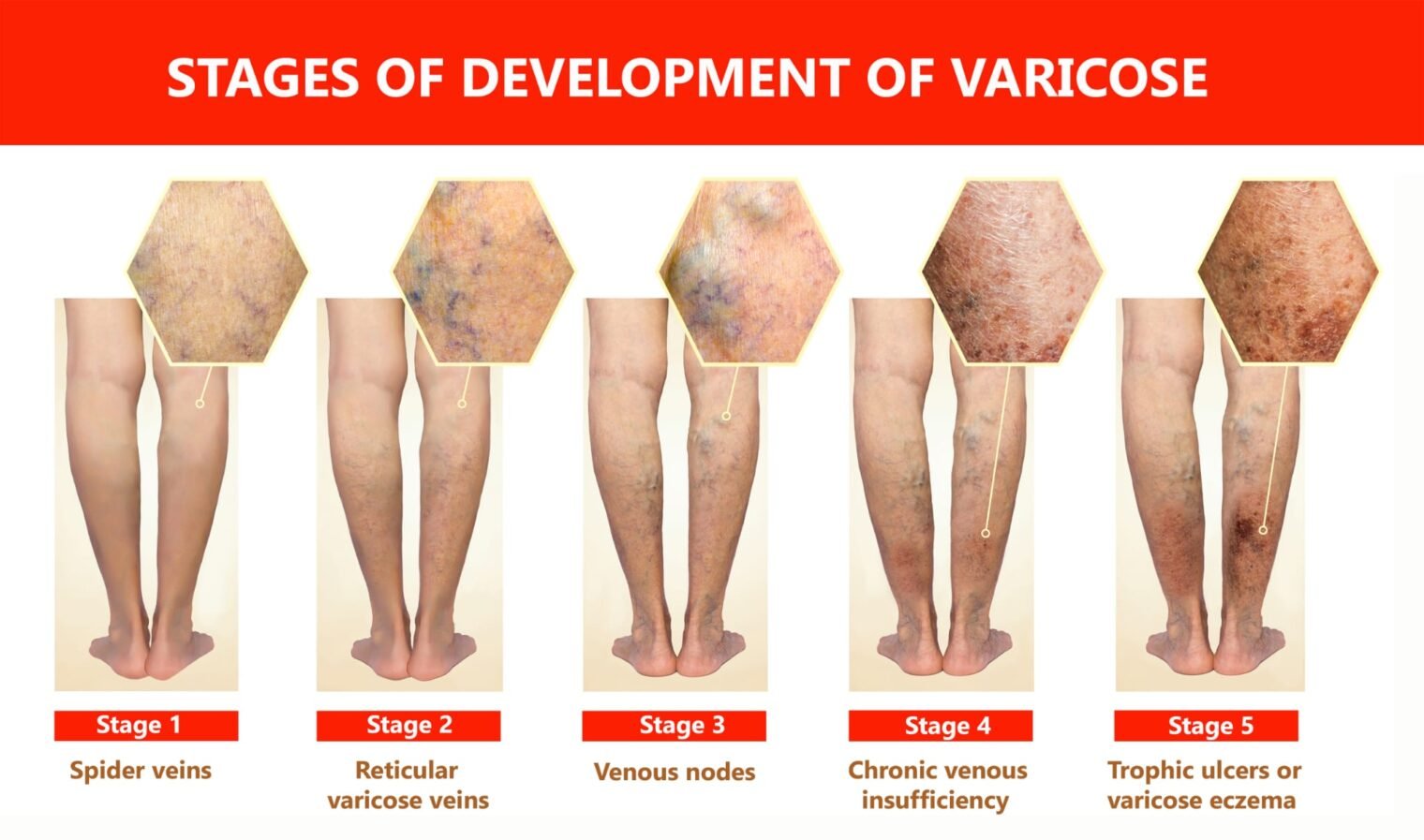
If you have aching, heavy, or swollen legs, visible bulging veins, or clusters of spider veins, a vein screening is usually the first step toward understanding what is going on. It is a short, comfortable, non-invasive visit. Knowing what to expect ahead of time makes it easier to walk in relaxed. Here is what a vein screening typically involves at our practice, led by Dr. Abboud, who brings more than 20 years of experience caring for patients with vein concerns.
Talking Through Your Symptoms and History
Your screening begins with a conversation. We ask about the symptoms you have noticed and how they affect your day, since leg complaints can mean different things for different people. Common things we discuss include:
- Aching, heaviness, throbbing, or fatigue in the legs, especially late in the day
- Swelling around the ankles or calves
- Visible bulging or rope-like veins, or clusters of fine surface veins
- Itching, cramping, restless legs, or skin changes near the ankle
- Family history, pregnancies, and how much time you spend standing or sitting
This helps us understand whether your concern is more medical, more cosmetic, or a mix of both. You can read more about the patterns we look for on our vein symptoms and conditions page.
A Look at Your Legs
Next, we examine your legs while you are standing, since gravity makes underlying veins easier to see and feel. This part is quick and painless. We are simply mapping where the visible veins are, checking for swelling or skin changes, and noting areas that line up with the symptoms you described.
Ultrasound: Looking Beneath the Surface
Many of the veins that cause symptoms are not visible from the outside. To see how blood is actually flowing, we use a painless vein ultrasound. A technician glides a small handheld probe over the skin with a bit of gel. There are no needles and nothing to recover from. The ultrasound shows whether valves inside the veins are working properly or whether blood is pooling, which is the root cause behind many varicose vein symptoms. This step is what turns a guess into a clear picture.
Reviewing Findings and Next Steps
After the screening, we walk you through what we found in plain language and answer your questions. If treatment makes sense, we explain the options that fit your situation, which may include minimally invasive approaches such as endovenous laser treatment or Varithena foam, along with conservative steps like compression therapy. There is no pressure to decide on the spot. On the cost side, most PPO plans and Medicare cover treatment for symptomatic veins, while purely cosmetic vein work is self-pay. We are happy to help you understand where your situation may fit.
A vein screening takes about as long as a routine office visit and gives you real answers about your leg health. We see patients at our Chicago, Oak Brook, and Orland Park locations. Book a Free Vein Screening today, or call us at 630-974-1400 to schedule a time that works for you.