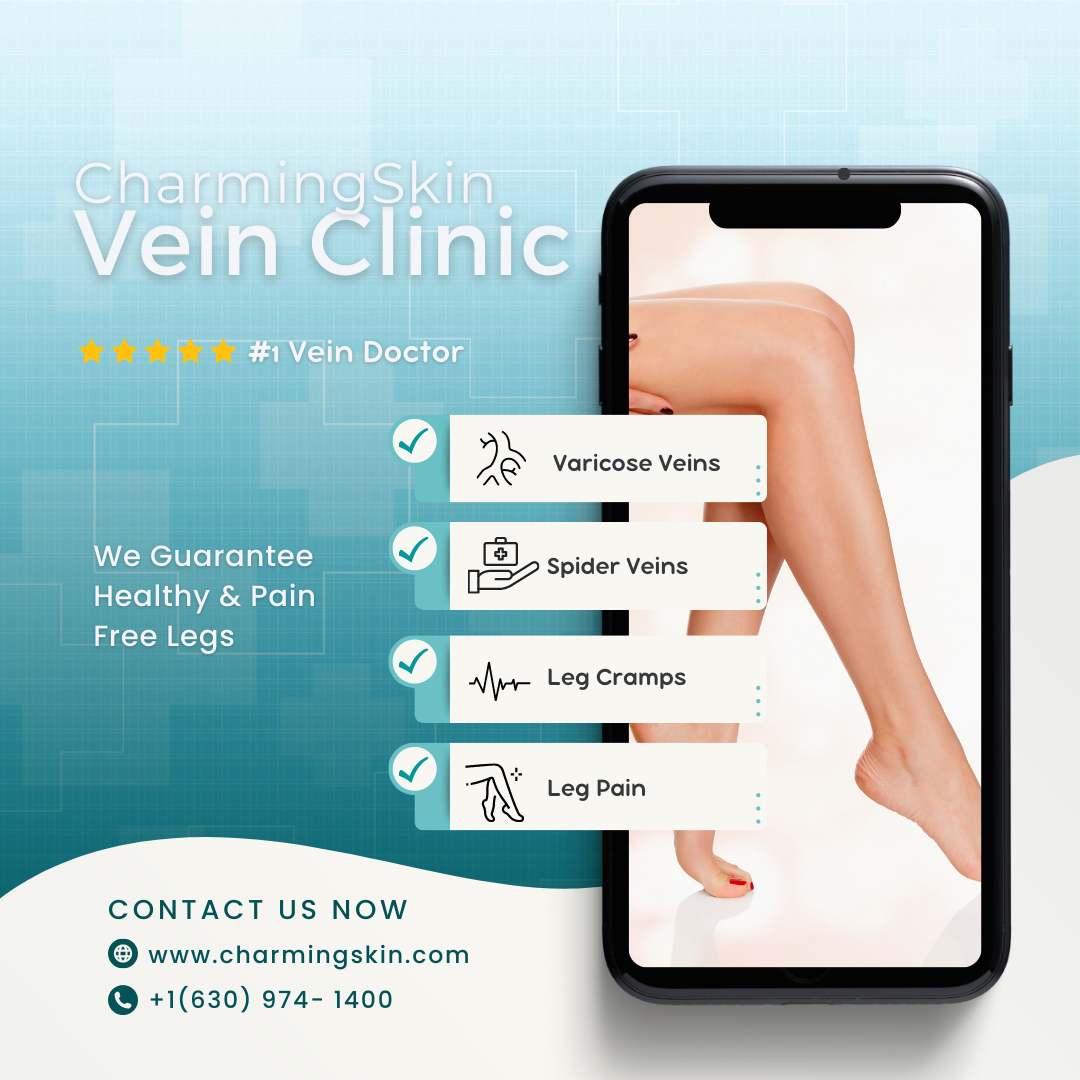
Aching legs at the end of the day or a few visible veins are easy to dismiss as a normal part of getting older. Often they are. But certain leg symptoms point to an underlying circulation problem worth having checked. This guide explains the signs that warrant a vein evaluation, what to expect at a visit, and how our team can help.
Symptoms That Warrant an Evaluation
Vein disease tends to progress slowly, so the early signs are easy to overlook. Consider scheduling an evaluation if you notice any of the following, especially if they affect daily comfort or have worsened over time:
- Legs that ache, throb, or feel heavy or tired, often worse after standing or sitting for long periods
- Swelling in the ankles or lower legs by the end of the day
- Bulging, rope-like varicose veins at the surface of the skin
- Clusters of small red, blue, or purple spider veins
- Burning, itching, restless legs, or night-time leg cramps
- Skin changes near the ankle, such as darkening, dryness, or hardening
- An open sore or ulcer near the ankle that is slow to heal
A single mild symptom is not necessarily a cause for concern, but several together, or any skin change or non-healing sore, deserve a closer look. You can read more about the full range of vein symptoms and conditions on our site.
Why These Symptoms Happen
Healthy leg veins use one-way valves to move blood back toward the heart. When those valves weaken, blood can pool in the lower legs, raising pressure in the veins. That pressure is what produces the aching, swelling, visible veins, and skin changes described above. Because the condition is mechanical and tends to advance, an early evaluation helps clarify what is happening before symptoms become more disruptive.
What to Expect at a Vein Evaluation
A visit begins with a conversation about your symptoms and history, followed by a look at your legs. When it is helpful, we use ultrasound vein diagnosis, a painless scan that shows how blood is flowing and which valves are involved. The findings guide a plan suited to your situation, which may range from conservative steps such as compression therapy to in-office treatments for veins that are causing symptoms.
Care is led by Dr. Abboud, who brings more than 20 years of experience treating vein conditions. Dr. Abboud is a graduate of the University of Damascus and completed residency training at Cook County Hospital and John H. Stroger Jr. Hospital in Chicago. You can learn more about Dr. Abboud and our approach.
A Note on Coverage
Many people put off an evaluation because they assume vein care is purely cosmetic. When veins are causing symptoms, that is usually not the case. Most PPO plans and Medicare cover treatment for symptomatic veins. Cosmetic vein work, done for appearance alone, is self-pay. We are happy to walk through what applies to your situation during a visit.
If any of these symptoms sound familiar, an evaluation is a straightforward next step. Book a Free Vein Screening or call us at 630-974-1400 to schedule at our Chicago, Oak Brook, or Orland Park location.