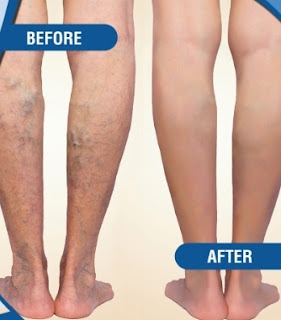
If you are considering treatment for varicose or spider veins in Illinois, one of the first questions is usually about cost and coverage. The answer depends largely on whether your veins are causing symptoms or are purely a cosmetic concern. This guide walks through the basics of how vein treatment coverage typically works so you can plan your next step with fewer surprises.
Medical vs. cosmetic vein care
Insurance generally draws a line between medically necessary treatment and cosmetic improvement. Most PPO plans and Medicare cover treatment for symptomatic veins, meaning veins that cause issues such as aching, swelling, heaviness, skin changes, or recurring discomfort. When the goal is purely to improve appearance, the work is usually considered cosmetic and is self-pay.
Common symptoms that may point toward a covered medical need include:
- Leg pain, aching, or heaviness, especially after standing
- Swelling around the ankles or lower legs
- Skin discoloration or changes near the ankle
- Bulging varicose veins that worsen over time
If you are unsure which category your veins fall into, our team can help you understand what we see during an evaluation. You can review the broader range of vein symptoms and conditions to recognize what is worth checking.
How coverage is usually established
For symptomatic veins, insurers typically want documentation that supports medical necessity. A common step is an ultrasound vein diagnosis, which maps how the veins are functioning and helps confirm whether reflux or another issue is present. Many plans also expect a trial of conservative measures, such as compression therapy, before approving a procedure.
Once that groundwork is in place, treatments for symptomatic veins are often eligible for coverage. These can include minimally invasive options such as endovenous laser (EVLA), Varithena foam treatment, and VenaSeal closure, depending on what is appropriate for your situation.
What to check with your own plan
Coverage details vary from plan to plan, so it helps to confirm a few specifics before you begin:
- Whether your plan requires prior authorization for vein procedures
- Your deductible, copay, and coinsurance for outpatient procedures
- Any documentation or conservative-treatment requirements
- Whether spider vein treatment is treated as cosmetic under your plan
We can review your plan details with you and explain what is typically covered versus self-pay, so you have a clear picture before any treatment is scheduled.
Experienced, vein-focused care across Illinois
Treatment at our practice is led by Dr. Abboud, who brings more than 20 years of experience caring for patients with vein conditions. Dr. Abboud is a graduate of the University of Damascus and completed residency training at Cook County Hospital and John H. Stroger Jr. Hospital in Chicago. You can learn more about Dr. Abboud and how we approach each case.
We see patients at three Illinois locations: Chicago (5907 W. 63rd St.), Oak Brook (2425 W. 22nd St. #205), and Orland Park (10 Orland Square Dr.). See all of our service areas to find the most convenient option.
Have questions about whether your symptoms may be covered? Book a Free Vein Screening or call us at 630-974-1400, and we will help you understand your options.