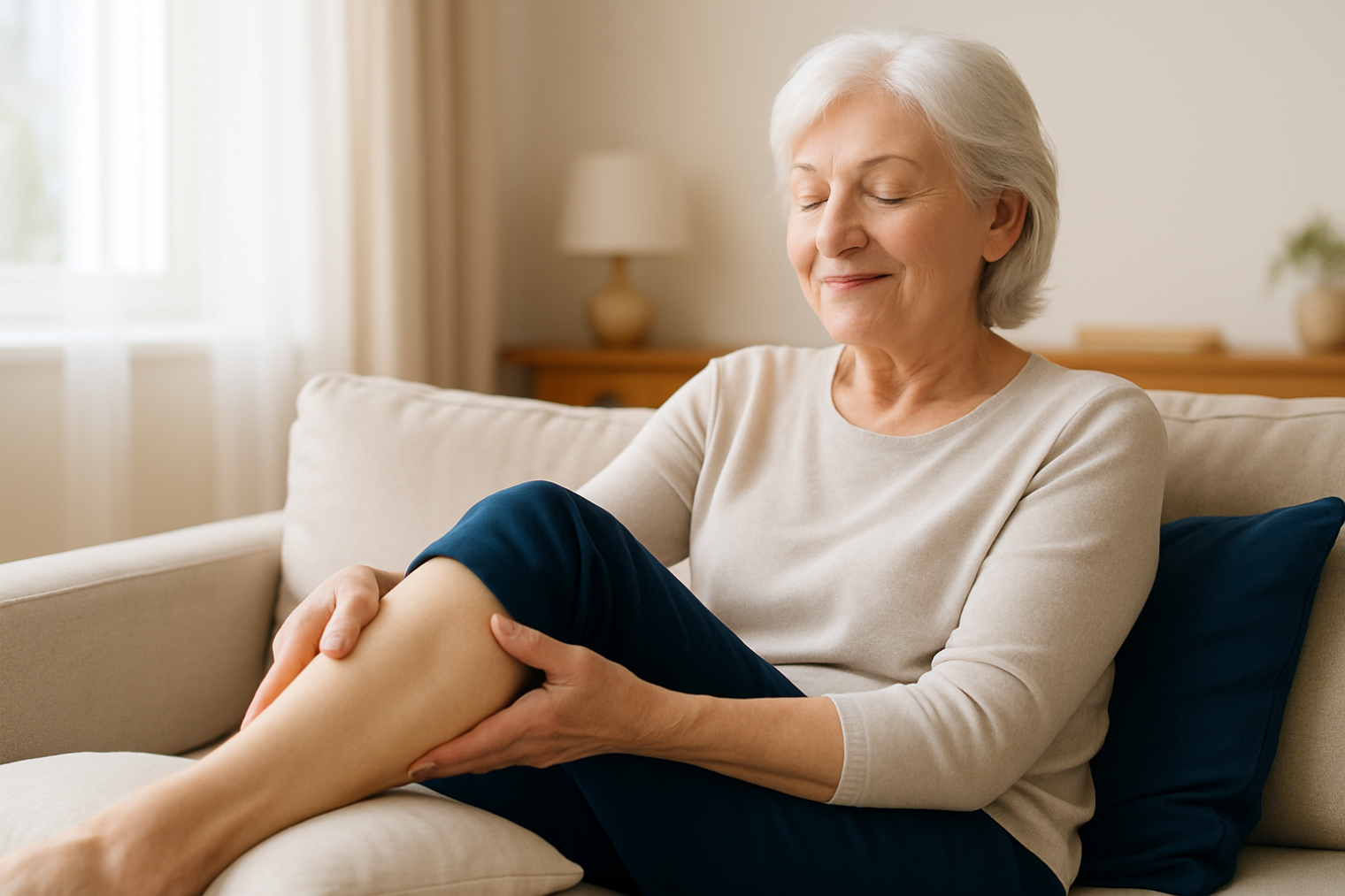
Varicose Veins, Spider Veins, Varicose Veins Doctor, and Veins Specialist are common terms people encounter when visible or uncomfortable veins develop in the legs. Although these veins can appear at any age, they often become more noticeable with age as vein walls and valves gradually lose strength. Blood may then have more difficulty returning efficiently to the heart.
Understanding why vein problems can worsen over time is important because some people experience more than cosmetic changes. Aching, swelling, heaviness, itching, and skin changes may develop as circulation is affected. Learning the causes and warning signs can help people seek appropriate care and understand their treatment options.
How Aging Affects the Veins
Veins in the legs work against gravity to return blood to the heart. Small valves inside the veins help keep blood moving in the correct direction.
As people age, vein walls can become less elastic and the valves may gradually become weaker. When valves do not close properly, blood can flow backward and collect in the lower legs.
This increases pressure inside the veins, causing them to stretch and become more visible. Existing varicose veins may therefore become larger or more uncomfortable over the years.
Age is only one factor. Genetics, pregnancy, prolonged standing, inactivity, and body weight can also affect vein health.
If visible veins are accompanied by persistent discomfort or swelling, a Varicose Veins Doctor can evaluate the condition and determine whether an underlying circulation problem is present.
Why Vein Valves Become Less Effective
Healthy vein valves open when blood moves toward the heart and close afterward to prevent backward flow. This process is especially important in the legs because blood must travel upward against gravity.
Over time, these valves can become less effective. When they allow blood to move backward, pressure builds within the affected veins.
Continued pressure can stretch the vein walls and make veins appear twisted, enlarged, or raised beneath the skin. This process can gradually contribute to worsening varicose veins.
Not everyone experiences the same degree of valve deterioration. Family history, previous vein problems, pregnancy, and lifestyle factors may influence how symptoms develop.
A Veins Specialist can assess circulation and determine whether weakened valves are contributing to visible veins or leg discomfort.

The Role of Blood Pooling
Blood pooling is a major reason varicose veins can become more noticeable with age. When valves do not work properly, some blood remains in the lower portions of the legs instead of efficiently returning to the heart.
The resulting pressure can enlarge veins and contribute to symptoms such as aching, heaviness, throbbing, itching, or swelling around the ankles.
Symptoms may become more noticeable later in the day, particularly after prolonged periods of standing or sitting. Elevating the legs may temporarily reduce pressure and discomfort.
Occasional visible veins do not necessarily indicate a serious condition. However, persistent or worsening symptoms should be discussed with a medical professional.
A Varicose Veins Doctor can evaluate the veins and determine whether symptoms are related to venous insufficiency or another condition.
How Spider Veins Differ From Varicose Veins
Spider Veins are smaller surface veins that often appear as red, blue, or purple lines. They may form branching or web-like patterns and are usually flatter than varicose veins.
Varicose veins are larger and may appear raised, twisted, or rope-like. They can cause symptoms such as aching, heaviness, swelling, or discomfort.
Both types can become more noticeable with age due to changes in vein structure, circulation, hormones, and other risk factors.
Spider veins are often considered cosmetic, but visible surface veins can sometimes occur alongside underlying venous problems. This makes professional evaluation useful when symptoms are present.
A Veins Specialist can determine whether visible veins are primarily cosmetic or whether additional evaluation may be appropriate.
Why Standing and Sitting Can Worsen Symptoms
Long periods of standing or sitting can increase pressure in the veins of the legs. This can be particularly noticeable in people whose vein valves are already weakened.
Walking activates the calf muscles, which help push blood toward the heart. Remaining stationary for long periods reduces this natural assistance.
People who stand for work may experience aching, heaviness, or swelling toward the end of the day. Sitting for many hours can also contribute to blood pooling.
Changing positions regularly, taking short walking breaks, and maintaining an active lifestyle can support healthy circulation.
These measures may help manage symptoms but cannot repair damaged valves. If discomfort continues or veins are becoming increasingly prominent, professional evaluation can help identify the underlying problem.
How Pregnancy and Hormones Affect Veins
Pregnancy can increase pressure on the veins because the growing uterus can affect blood flow from the legs. Hormonal changes can also relax blood vessel walls, while increased blood volume places additional demands on the circulatory system.
Some women develop varicose veins during pregnancy and notice improvement afterward. However, veins that become significantly stretched may remain visible.
Previous pregnancies can contribute to vein changes that become more apparent later in life. Hormonal fluctuations may also influence vein health.
Aging can compound these effects because veins naturally become less elastic over time.
Persistent vein symptoms after pregnancy should not automatically be dismissed as a normal part of getting older. A professional evaluation can help determine whether treatment may be appropriate.

How Lifestyle Can Influence Vein Problems
Lifestyle factors can influence how comfortable or noticeable vein problems become. Prolonged inactivity may reduce the effectiveness of the calf-muscle pump, while excess weight can increase pressure on the veins.
Regular walking and appropriate physical activity can support circulation. Taking breaks from sitting, changing positions, and avoiding extended periods of inactivity may also help.
However, having varicose veins does not necessarily mean someone has poor lifestyle habits. Genetics, aging, pregnancy, occupation, and other factors can contribute even in active individuals.
Lifestyle changes should therefore be viewed as supportive rather than a guaranteed solution.
When veins continue to enlarge or symptoms become more frequent, a Varicose Veins Doctor can evaluate circulation and discuss appropriate treatment options.
When Should Worsening Veins Be Evaluated?
Not every visible vein requires treatment. Small Spider Veins or mild varicose veins may cause little or no discomfort.
However, persistent aching, swelling, heaviness, itching, burning, or skin changes can be reasons to seek professional evaluation. A sudden painful, red, warm, or significantly swollen leg also warrants prompt medical attention.
An evaluation may include a physical examination and, when appropriate, a venous ultrasound. These assessments can help determine whether faulty valves or other circulation problems are involved.
Seeing a Veins Specialist does not automatically mean that a procedure will be necessary. The purpose of an evaluation is to understand the condition and determine the most appropriate approach.
Depending on the situation, care may involve monitoring, lifestyle measures, compression therapy, or minimally invasive treatment.
Can Varicose Veins Be Treated With Age?
Getting older does not mean people must simply accept worsening varicose veins. Modern vein care offers several treatment approaches for veins that cause symptoms or cosmetic concerns.
Treatment depends on the size, location, and severity of the affected veins. Some patients seek care because of discomfort, while others are primarily concerned about appearance.
A Veins Specialist can recommend an approach based on the individual’s symptoms, vein health, medical history, and treatment goals.
Minimally invasive procedures may be available for certain vein conditions and can often involve less recovery time than traditional surgery.
The best approach varies from person to person. Professional evaluation is therefore important before deciding whether treatment is necessary.
Conclusion
Varicose Veins may become worse with age because vein walls and valves gradually lose elasticity and strength, allowing blood to pool in the legs. Factors such as genetics, pregnancy, prolonged sitting or standing, weight, and activity levels can also influence how vein problems develop. While Spider Veins are often mainly cosmetic, larger veins may cause aching, swelling, heaviness, or other symptoms.
If your veins are changing or becoming uncomfortable, a professional evaluation can help identify the cause and appropriate treatment options. A Varicose Veins Doctor or Veins Specialist can assess your condition and recommend care based on your individual needs.
For vein care in Oak Brook, contact Charming Skin Vein Clinics at 630-974-2400 to learn more about evaluation and treatment options.