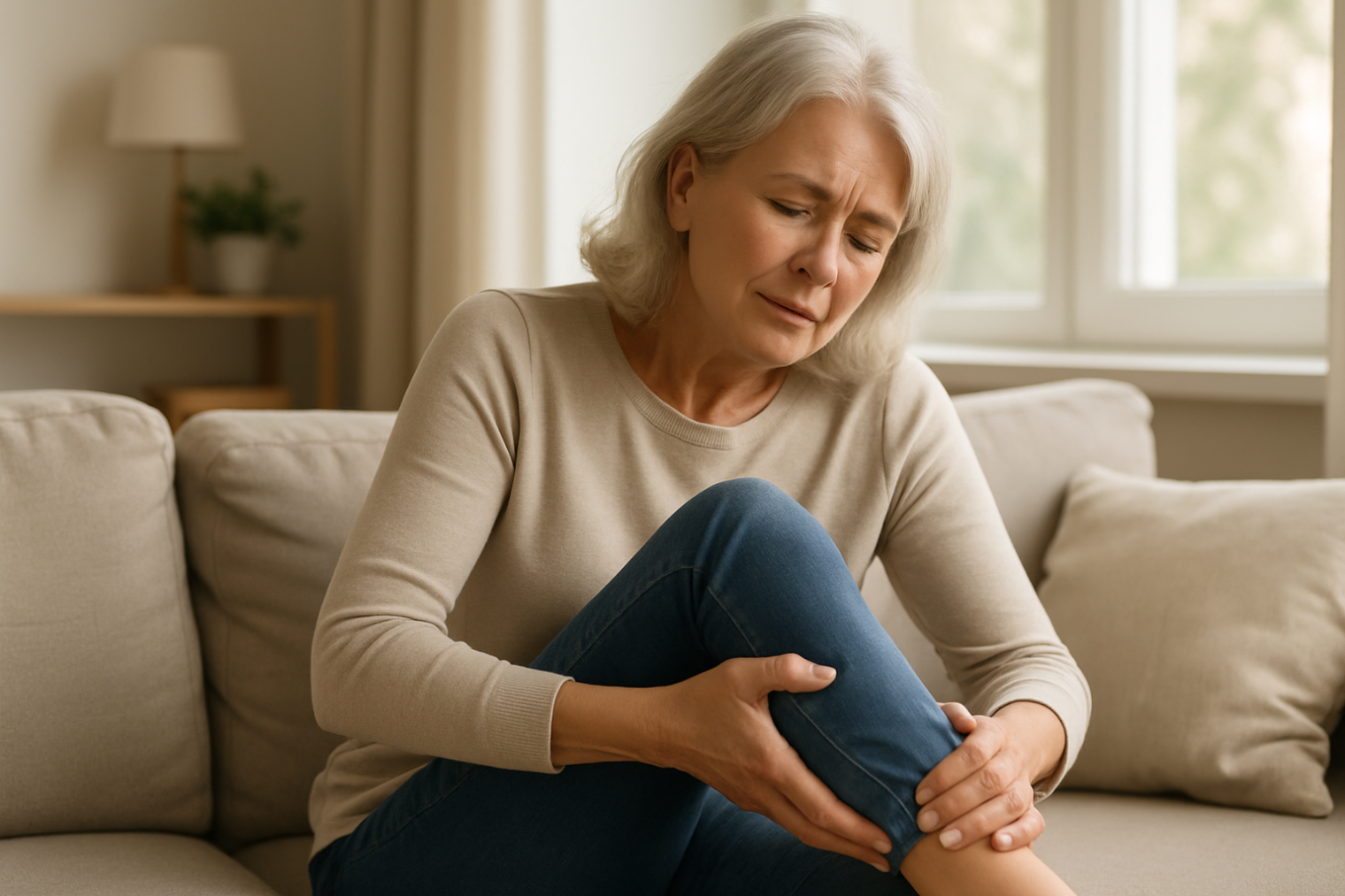
Varicose veins are enlarged, twisted veins that commonly appear on the legs. Although they are often harmless, some cases can cause pain, swelling, skin changes, or other complications that require medical attention. Knowing when to consult a Varicose Veins Doctor can help you address potential problems early. Spider Veins are usually smaller and less concerning, but visible veins combined with discomfort may indicate an underlying circulation issue. If you notice changes in your veins or persistent leg symptoms, a Veins Specialist can evaluate your condition and explain whether treatment is appropriate. Understanding the warning signs can help you make informed decisions about your vein health and avoid ignoring symptoms that may require professional care.
Are Varicose Veins Always a Concern?
Varicose veins are common and often develop when valves inside the veins do not work properly. This allows blood to collect in the veins, causing them to become enlarged and twisted.
For many people, varicose veins are mainly a cosmetic concern. However, symptoms such as aching, heaviness, burning, itching, cramping, or swelling may indicate that the veins are affecting circulation.
Pay attention when symptoms become persistent or interfere with daily activities. Changes in the skin around a vein, recurring swelling, or discomfort that gets worse after standing should also be discussed with a healthcare professional.
A Varicose Veins Doctor can examine your legs and determine whether your symptoms require monitoring, testing, or treatment. Getting evaluated does not necessarily mean you need a procedure, but it can provide useful information about your vein health.
What Symptoms Should Prompt a Doctor Visit?
Not every visible vein requires treatment, but persistent symptoms deserve attention. Pain, swelling, itching, cramping, or a feeling of heaviness can indicate an underlying vein problem.
Skin changes are another reason to seek professional advice. The skin around affected veins may become darker, dry, irritated, or thicker. In advanced cases, sores may develop near the ankles and become difficult to heal.
Bleeding from a varicose vein should also be evaluated, particularly if the bleeding is difficult to control.
If symptoms are gradually worsening, schedule an evaluation rather than waiting for them to become severe. A Veins Specialist can assess your symptoms and determine whether they are related to varicose veins or another condition.

When Is Leg Pain a Warning Sign?
Leg discomfort from varicose veins can range from mild aching to significant pain. Symptoms may become worse after prolonged standing and improve when you rest or elevate your legs.
Pain that becomes more frequent, severe, or localized should not be ignored. Pay particular attention to pain accompanied by swelling, warmth, redness, or tenderness in one leg.
Sudden leg pain and swelling can have several causes, including conditions that require prompt medical evaluation. Do not automatically assume that sudden symptoms are simply caused by varicose veins.
If you experience sudden severe leg symptoms, especially with chest pain or difficulty breathing, seek emergency medical care immediately.
For ongoing discomfort associated with visible veins, a professional vein evaluation can help determine the underlying cause and appropriate next steps.
Can Varicose Veins Cause Swelling?
Swelling in the lower legs and ankles can occur when blood has difficulty returning toward the heart. Fluid may then collect in surrounding tissues, causing the legs to feel heavy or uncomfortable.
Some people notice swelling becoming more obvious at the end of the day. It may improve after sleeping or elevating the legs, but recurring swelling should still be discussed with a healthcare provider.
Persistent swelling may indicate that venous circulation is being affected. Your provider may recommend an ultrasound to examine blood flow and determine whether faulty valves or another problem is contributing to your symptoms.
Sudden swelling in one leg, especially when accompanied by pain, redness, or warmth, requires prompt medical assessment.
Understanding why swelling occurs is important because treating an underlying vein problem may help relieve symptoms and reduce the risk of future complications.
What Is the Difference Between Varicose and Spider Veins?
Varicose veins and Spider Veins are both visible veins, but they differ in size and appearance. Varicose veins are usually larger, raised, and twisted, while spider veins are smaller red, blue, or purple lines that appear close to the skin’s surface.
Spider veins are commonly considered a cosmetic concern, although some people may experience discomfort. Varicose veins are more likely to cause aching, heaviness, swelling, or skin changes.
Having spider veins does not automatically mean you have serious vein disease. However, visible veins combined with persistent symptoms may justify an evaluation.
Treatment depends on the type and severity of the veins and whether an underlying circulation problem exists. A vein professional can determine whether treatment is medically appropriate or primarily cosmetic.
Who Is at Higher Risk?
Several factors can increase the likelihood of developing varicose veins. Age can affect the efficiency of vein valves, while family history may also increase risk.
Pregnancy can temporarily place additional pressure on the veins. Being overweight and spending long periods sitting or standing may also contribute to vein-related symptoms.
People whose jobs require prolonged standing may notice increased leg discomfort or swelling toward the end of the day. Similarly, extended periods of inactivity can make blood return from the legs more difficult.
Regular movement can support healthy circulation. Walking and other physical activities encourage the leg muscles to help move blood toward the heart.
Having risk factors does not necessarily mean you will develop complications. However, persistent symptoms combined with risk factors are good reasons to discuss your vein health with a qualified professional.

Can Varicose Veins Cause Complications?
Most varicose veins do not lead to serious complications, but symptomatic or advanced vein disease can sometimes cause additional problems. Chronic swelling may contribute to skin changes around the lower legs and ankles.
Some people develop inflammation in a superficial vein, which can cause redness, tenderness, and a firm area along the vein. Varicose veins can also bleed if the skin covering them becomes injured.
Advanced venous disease may contribute to ulcers, particularly around the ankles. These wounds can take considerable time to heal.
Blood clots are another concern, although not every clot is caused by varicose veins. Sudden swelling, pain, warmth, or redness in one leg should be medically evaluated.
The key is to pay attention to changes rather than assuming every new symptom is normal. Early professional assessment can help identify potential complications and appropriate treatment.
When Should You Consider Treatment?
Treatment is not always necessary simply because a vein is visible. However, treatment may be appropriate when varicose veins cause persistent pain, swelling, heaviness, skin changes, or other symptoms affecting your quality of life.
Some patients also seek treatment because prominent veins affect their appearance. Treatment options vary depending on the size, location, and underlying cause of the veins.
A Varicose Veins Doctor can review your symptoms and medical history before recommending an appropriate approach. Diagnostic ultrasound may also be used to understand blood flow and identify problematic veins.
The goal of treatment is not simply to improve appearance. Addressing an underlying vein problem may also help manage symptoms and improve overall vein health.
What Happens During a Vein Evaluation?
A vein evaluation generally begins with a discussion about your symptoms, medical history, and any changes you have noticed. Your provider may examine your legs for visible veins, swelling, tenderness, and skin changes.
An ultrasound may be recommended to evaluate blood flow and determine whether blood is moving backward through damaged valves. This information can help identify the source of your symptoms.
Based on the evaluation, your provider may recommend observation, lifestyle changes, compression therapy, or a minimally invasive treatment.
If you have persistent discomfort, recurring swelling, skin changes, or increasingly prominent veins, consulting a Veins Specialist can help you understand what is happening and what options may be available.
When Is Emergency Care Necessary?
Certain symptoms require urgent medical attention. Sudden swelling or pain in one leg, particularly when accompanied by warmth or redness, can be associated with a blood clot and should be evaluated promptly.
Chest pain, sudden shortness of breath, difficulty breathing, coughing up blood, or fainting require emergency medical care.
Bleeding from a varicose vein also deserves prompt attention, especially when it does not stop with direct pressure.
Less urgent symptoms, such as gradually increasing aching, heaviness, mild swelling, or cosmetic concerns, can generally be discussed during a scheduled vein consultation.
Conclusion
Varicose veins are common, but persistent pain, swelling, skin changes, bleeding, or sudden symptoms should not be ignored. Spider Veins are often primarily cosmetic, but other visible vein changes may occur alongside underlying circulation problems. Consulting a Varicose Veins Doctor can help determine whether your symptoms require treatment or monitoring. A qualified Veins Specialist can evaluate your veins, identify potential problems, and explain appropriate treatment options. If you are concerned about varicose or spider veins in Oak Brook, Charming Skin Vein Clinics is available to help you understand your condition and available options. Call 630-974-2400 to schedule a professional vein evaluation and take the next step toward healthier-looking, more comfortable legs.