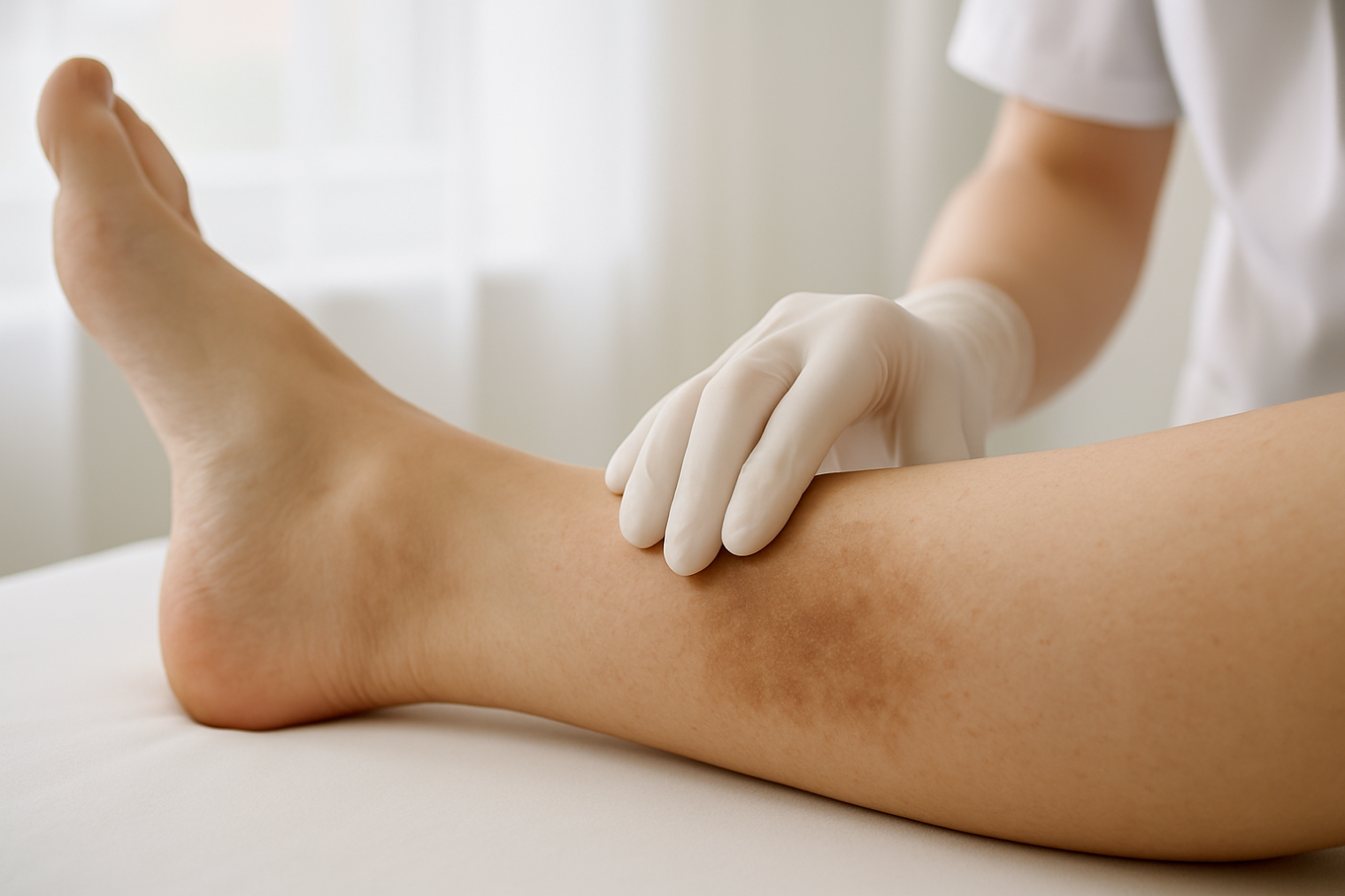
Varicose Veins, Spider Veins, Varicose Veins Doctor, and Veins Specialist are terms people often encounter when they begin noticing changes in the appearance or comfort of their legs. Varicose veins are enlarged, twisted veins that commonly develop in the legs when blood does not flow efficiently back toward the heart. Although they are often considered a cosmetic concern, they can sometimes cause discomfort or indicate an underlying vein problem.
Recognizing the early signs can help you determine when it may be appropriate to seek professional evaluation. Symptoms can begin subtly, such as mild aching, heaviness, swelling, itching, or small visible veins. Understanding these warning signs allows you to monitor changes and discuss concerns with a qualified healthcare professional before symptoms become more troublesome.
Visible, Enlarged Veins
One of the most recognizable early signs of varicose veins is the appearance of enlarged or twisted veins beneath the skin. They may look blue, purple, or dark green and often appear raised or rope-like. While some visible veins are completely normal, veins that become increasingly prominent may deserve closer attention.
Varicose veins most commonly develop in the legs because the veins must work against gravity to return blood to the heart. When the valves inside the veins do not function properly, blood can collect in the lower legs, increasing pressure and causing the veins to enlarge.
The appearance of a few prominent veins does not automatically mean that a person has a serious medical condition. However, changes accompanied by aching, swelling, itching, or skin changes can be more significant.
If you notice new or progressively enlarged veins, consider discussing them with a healthcare professional. An examination can help determine whether the veins are primarily cosmetic or whether there may be an underlying circulation issue that requires attention.
Aching or Heaviness in the Legs
Leg discomfort is another common early warning sign. Some people describe their legs as feeling heavy, tired, sore, or achy, particularly after standing or sitting for extended periods.
This discomfort may become more noticeable toward the end of the day. Walking or elevating the legs may temporarily make the symptoms feel better because these activities can encourage blood to move back toward the heart.
Occasional tired legs can occur for many reasons and do not necessarily indicate varicose veins. However, persistent heaviness combined with visible enlarged veins may warrant an evaluation.
People who spend many hours standing for work may notice these symptoms more frequently. Prolonged sitting can also contribute to poor circulation in the legs.
Keeping track of when symptoms occur can be useful when speaking with a healthcare provider. If discomfort becomes frequent, worsens over time, or interferes with normal activities, professional evaluation can help identify the underlying cause and appropriate treatment options.

Leg Swelling
Mild swelling around the ankles, feet, or lower legs can sometimes occur during the early stages of vein problems. Swelling may be more noticeable after spending several hours standing or sitting and may improve after resting or elevating the legs.
When veins have difficulty moving blood efficiently toward the heart, pressure can build within the lower-extremity veins. This can contribute to fluid moving into surrounding tissues and causing swelling.
Not all leg swelling is related to varicose veins. Injuries, certain medications, prolonged inactivity, heart or kidney conditions, and other health issues can also cause swelling. For that reason, persistent or unexplained swelling should not automatically be attributed to vein disease.
Pay attention to whether swelling occurs repeatedly, affects one or both legs, and changes throughout the day. Sudden or significant swelling, especially when accompanied by pain, warmth, redness, or shortness of breath, requires prompt medical attention.
For recurring swelling associated with other vein symptoms, a healthcare professional can determine whether further testing or evaluation is appropriate.
Itching, Burning, or Throbbing
Some people experience unusual sensations in their legs before varicose veins become particularly noticeable. These may include itching, burning, throbbing, tingling, or a feeling of pressure around affected veins.
These symptoms can occur when increased pressure develops within the veins. The skin surrounding an affected vein may also become irritated, particularly if circulation problems persist.
Itching alone is not enough to determine that someone has a vein condition. Dry skin, allergies, skin disorders, insect bites, and other causes can produce similar sensations. However, persistent itching combined with visible veins or leg swelling may be worth discussing with a healthcare professional.
Symptoms can also vary throughout the day. Some individuals notice that discomfort becomes stronger after prolonged standing and improves after resting or raising their legs.
Recognizing these less obvious symptoms is important because early vein problems do not always begin with dramatic, raised veins. Paying attention to recurring changes can help you decide when professional assessment may be appropriate.
Spider Veins May Appear First
Spider veins are small, visible blood vessels that commonly appear close to the surface of the skin. They may look like thin red, blue, or purple lines and can form web-like or branching patterns.
Spider veins are different from larger varicose veins, but both can occur as part of chronic venous problems. They are often harmless and primarily considered a cosmetic concern. Still, their presence may prompt people to pay closer attention to other symptoms affecting their legs.
Some individuals develop spider veins without ever developing larger varicose veins. Others may have both conditions at the same time.
If spider veins are accompanied by pain, swelling, heaviness, itching, or other changes, a professional evaluation can help determine whether an underlying vein condition is present. A veins specialist can assess the affected areas and recommend appropriate next steps when necessary.
Skin Changes Around the Ankles
As vein problems progress, changes in the skin around the lower legs and ankles may develop. Early changes can include dryness, discoloration, or areas of skin that appear darker than usual.
These changes may occur when increased venous pressure affects the tissues and circulation around the lower legs. In some cases, the skin can become thicker, irritated, or more sensitive over time.
Skin changes should not be ignored, particularly when they occur alongside swelling, aching, or visible enlarged veins. They may indicate that a circulation problem has been present for some time.
A healthcare professional can examine the skin and veins to determine whether the changes are connected to venous insufficiency or another condition. Early evaluation can be especially useful when symptoms are becoming more frequent or noticeable.

Symptoms That Become Worse After Standing
Another important clue is when leg symptoms consistently become worse after standing for long periods. A person may feel aching, heaviness, pressure, or swelling after spending much of the day on their feet.
Gravity makes it harder for blood to travel from the legs back toward the heart. When the valves within the veins are not working efficiently, blood may pool in the lower extremities and increase pressure inside the veins.
Symptoms may improve when sitting down, walking, or elevating the legs. However, repeated symptoms should still be discussed with a healthcare professional rather than being dismissed as ordinary fatigue.
People who work in occupations that require prolonged standing may be particularly familiar with this pattern. Taking regular movement breaks and avoiding long periods of inactivity may support healthy circulation, although these measures do not replace medical evaluation when symptoms persist.
When Should You See a Varicose Veins Doctor?
Knowing when to seek professional care can help you address symptoms appropriately. Consider making an appointment if you develop increasingly visible veins along with persistent aching, swelling, heaviness, itching, or changes in the skin.
A Varicose Veins Doctor can evaluate your symptoms, examine the affected veins, and determine whether additional testing is necessary. Depending on your symptoms, an ultrasound or other diagnostic evaluation may be recommended to assess blood flow and vein function.
Treatment is not always necessary simply because visible veins are present. However, symptomatic veins may benefit from medical management or minimally invasive procedures depending on their severity and the underlying cause.
Seek urgent medical attention if you experience sudden leg swelling, significant pain, redness or warmth, or symptoms such as chest pain or difficulty breathing. These symptoms can have causes unrelated to ordinary varicose veins and may require immediate evaluation.
Conclusion
The first signs of Varicose Veins can be subtle, making them easy to overlook. Visible enlarged veins, spider veins, leg heaviness, aching, swelling, itching, burning sensations, and skin changes can all provide clues that deserve attention, especially when symptoms become persistent or progressively worse.
Not every visible vein indicates a serious problem, but recurring symptoms should be evaluated rather than ignored. A qualified Veins Specialist can assess your circulation, identify potential vein problems, and discuss appropriate options based on your individual needs.
If you are noticing changes in your legs and want professional guidance, Charming Skin Vein Clinics in Oak Brook can help you understand your vein concerns and available treatment options. To schedule an evaluation or learn more, call 630-974-2400.