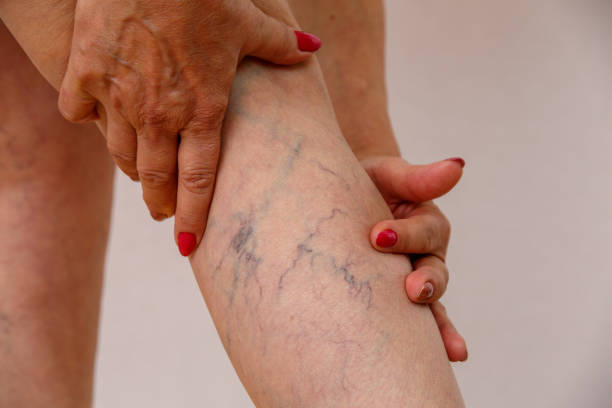
Varicose veins are enlarged, twisted veins that commonly appear on the legs. They may cause aching, heaviness, swelling, itching, or changes in the skin. Understanding Varicose Veins, Spider Veins, Varicose Veins Doctor, and Veins Specialist can help you determine when visible veins are simply a cosmetic concern and when they may require professional attention. Many people wonder whether varicose veins can disappear without treatment. While symptoms may improve temporarily with lifestyle changes, established varicose veins usually do not go away completely on their own. Knowing what causes them, how to manage symptoms, and when to seek professional care can help protect your vein health.
What Causes Varicose Veins?
Varicose veins develop when valves inside the veins do not work properly. These valves normally help blood travel toward the heart. When they become weak or damaged, blood can flow backward and collect inside the veins.
The increased pressure can cause veins to become enlarged, twisted, and visible beneath the skin. Varicose veins most commonly occur in the legs because leg veins must work against gravity to move blood upward.
Several factors can increase your risk. Genetics, aging, pregnancy, prolonged standing, excess weight, and limited physical activity may all contribute to vein problems.
Some risk factors cannot be controlled, but healthy habits may help support circulation. Regular movement, maintaining a healthy weight, and avoiding long periods of sitting or standing may help reduce pressure on the veins.
Understanding the underlying cause is important because lifestyle changes can help manage symptoms but generally cannot repair damaged vein valves.
Can Varicose Veins Disappear Naturally?
In most cases, established varicose veins do not disappear completely without treatment. They may become less noticeable temporarily after resting, elevating the legs, or changing positions.
Symptoms can also vary throughout the day. Aching, heaviness, and swelling may become worse after standing for several hours and improve after lying down or elevating the legs.
Regular walking and other forms of physical activity may support circulation and reduce discomfort. Leg elevation can also temporarily decrease swelling by helping blood move away from the lower legs.
These measures are useful for symptom management, but they do not necessarily eliminate the affected veins. If veins continue becoming larger or symptoms become more frequent, professional evaluation may be appropriate.
A Varicose Veins Doctor can examine your legs, review your symptoms, and determine whether additional testing or treatment is necessary.

Are Spider Veins the Same as Varicose Veins?
Spider veins and varicose veins are related but different. Spider veins are usually smaller blood vessels that appear close to the surface of the skin. They can look like thin red, blue, or purple lines and may form web-like patterns.
Varicose veins are generally larger and may appear raised, twisted, or rope-like. While spider veins are often considered a cosmetic issue, some people with either condition may experience discomfort.
Both types of visible veins can be associated with problems involving circulation. However, having spider veins does not automatically mean that severe varicose veins will develop.
Existing spider veins and varicose veins typically do not disappear permanently without treatment. If you are concerned about their appearance or are experiencing symptoms, a professional evaluation can help determine the most appropriate approach.
A Veins Specialist can distinguish between different types of vein problems and determine whether there may be an underlying circulation issue.
How Can You Manage Varicose Vein Symptoms?
Although varicose veins generally do not disappear naturally, certain habits may make symptoms easier to manage. Regular movement is particularly helpful because activities such as walking engage the calf muscles and encourage blood to move upward through the legs.
Avoiding prolonged periods of sitting or standing may also reduce discomfort. If your work requires you to remain in one position, take regular breaks to walk or stretch your legs.
Elevating your legs while resting may help reduce swelling and feelings of heaviness. Maintaining a healthy weight can also reduce pressure on the veins.
Compression garments may be recommended for some people to support circulation and manage swelling. The appropriate type and level of compression can vary, so professional guidance may be helpful.
These measures can improve comfort but should not be considered a cure for established varicose veins. If symptoms persist despite lifestyle changes, discuss your concerns with a qualified vein professional.
When Should You See a Varicose Veins Doctor?
Not every visible vein requires treatment. However, persistent or worsening symptoms deserve attention. Consider professional evaluation if you regularly experience aching, throbbing, heaviness, itching, or swelling in your legs.
Increasingly prominent veins may also warrant an examination. Skin changes, persistent swelling, irritation, discoloration, or sores around the lower legs are additional reasons to seek medical advice.
A provider can review your medical history and examine the affected areas. If necessary, an ultrasound may be used to evaluate blood flow and determine whether the valves inside the veins are functioning properly.
Seeing a specialist does not automatically mean you will need a procedure. An evaluation can simply help identify the cause of your symptoms and determine whether monitoring or treatment is appropriate.
If you notice sudden or severe swelling, significant pain, warmth, redness, or other unusual symptoms, seek prompt medical attention rather than assuming they are ordinary varicose veins.
What Treatments Are Available?
When varicose veins cause ongoing symptoms or significant concerns, several treatment options may be available. The appropriate treatment depends on the size and location of the veins, symptoms, overall health, and diagnostic findings.
Some procedures close problematic veins so blood can redirect through healthier vessels. Minimally invasive treatments are available for certain types of vein disease and may not require traditional surgical removal.
Sclerotherapy is commonly used for certain smaller veins. During the procedure, a solution is injected into the affected vein, causing it to close over time. Other treatments may use heat-based energy to close larger problematic veins.
Treatment can address more than appearance. For people experiencing pain, swelling, or heaviness, treating problematic veins may improve comfort and daily quality of life.
A Veins Specialist can explain which options may be appropriate and discuss expected results, recovery, and potential risks.

Can Untreated Varicose Veins Become Serious?
Varicose veins are often not dangerous, and many people have them without developing major complications. However, some people may experience progressive symptoms or changes in the surrounding skin.
Long-term vein problems can contribute to swelling, skin irritation, discoloration, and other changes in the lower legs. In some cases, more significant complications can develop.
Bleeding from a prominent vein should be evaluated, especially if it is difficult to control. Sudden swelling, pain, redness, or warmth can also require prompt medical assessment because these symptoms may have causes other than ordinary varicose veins.
This does not mean every varicose vein will become serious. Some remain relatively stable for years, while others gradually become more symptomatic.
The important thing is to monitor changes rather than ignore persistent problems. Professional evaluation can help determine whether your veins are simply a cosmetic concern or whether additional care would be beneficial.
Can Varicose Veins Return After Treatment?
Treatment can successfully address problematic veins, but it cannot guarantee that new veins will never develop. Factors such as genetics, aging, pregnancy, and prolonged standing can continue to influence vein health.
New veins may appear in other areas even after successful treatment. Some veins that were previously less noticeable may also become more visible over time.
Following your provider’s post-treatment recommendations can support recovery. Depending on the procedure, recommendations may include walking regularly, wearing compression garments, avoiding prolonged inactivity, and attending follow-up appointments.
Maintaining an active lifestyle can continue to support healthy circulation. However, new or recurring symptoms should be evaluated rather than automatically assumed to be part of normal recovery.
Understanding that vein disease can be an ongoing condition helps set realistic expectations. Treatment can address existing problematic veins while healthy habits and follow-up care may support long-term vein health.
Conclusion
Varicose veins generally do not disappear completely on their own, although their symptoms may temporarily improve with movement, leg elevation, and healthy lifestyle habits. Spider veins may also remain visible without treatment. Persistent pain, swelling, skin changes, or increasingly prominent veins are reasons to consider professional evaluation. A qualified Varicose Veins Doctor or Veins Specialist can assess your circulation and explain whether monitoring, lifestyle changes, or treatment may be appropriate. If you are concerned about varicose veins or spider veins in Oak Brook, Charming Skin Vein Clinics can help you understand your options. Call 630-974-2400 to schedule an evaluation and discuss your vein concerns.