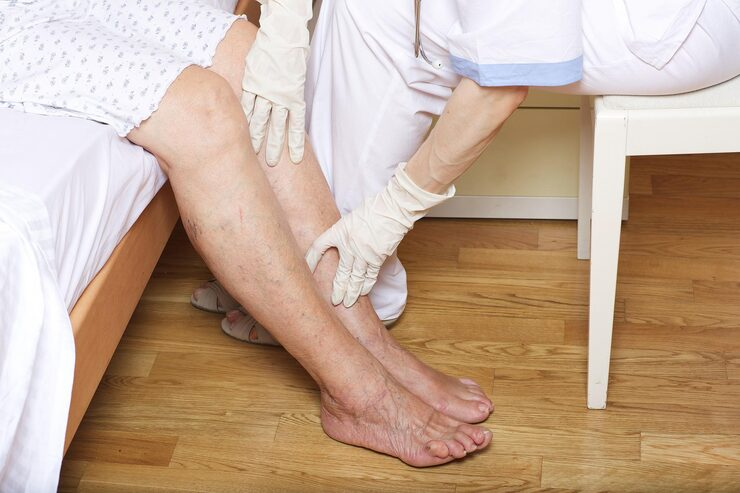
Why do veins become enlarged and twisted, particularly in the legs? Varicose Veins, Spider Veins, Varicose Veins Doctor, and Veins Specialist care are commonly discussed when visible veins become noticeable or uncomfortable. Veins return blood to the heart, and leg veins must work against gravity to move blood upward. Small valves inside the veins normally prevent blood from flowing backward. When these valves become weak or damaged, blood can collect inside the vein and increase pressure on its walls. Over time, the vein may stretch, enlarge, and develop a twisted or bulging appearance. Understanding why this happens can help you recognize risk factors, symptoms, and when professional evaluation may be appropriate.
How Healthy Veins Move Blood
Veins are responsible for carrying blood back toward the heart. In the legs, this can be challenging because blood must travel upward against gravity.
One important part of this process is the network of one-way valves inside the veins. These valves open as blood moves toward the heart and close to limit backward flow. The calf muscles also help push blood upward when you walk or move.
When the valves become weak, they may not close properly. Blood can then flow backward and collect in the vein. This increases pressure and can cause the vein to stretch.
As the vein becomes wider, the valves may have even more difficulty functioning correctly. This creates a cycle of blood pooling and increasing vein pressure that can eventually result in enlarged, twisted veins.
What Causes Veins to Become Enlarged?
The main cause of many varicose veins is venous reflux, which occurs when blood flows backward through a vein because its valves are not working properly.
Several factors can increase the risk of this problem. Age is one factor because veins and their valves can gradually lose strength over time. Having family members with varicose veins can also increase your likelihood of developing them.
Pregnancy may contribute because blood volume increases and the growing uterus can place additional pressure on pelvic and leg veins. Hormonal changes may also affect vein walls.
Being overweight can place additional pressure on the veins, while sitting or standing for long periods may reduce the muscle activity that helps blood circulate through the legs.
These factors do not guarantee that someone will develop varicose veins, but they can increase the likelihood.

Why Do Varicose Veins Affect the Legs?
The legs are particularly susceptible because their veins must continuously transport blood upward against gravity. Healthy valves and regular muscle movement help make this possible.
When someone remains standing for long periods, pressure inside the leg veins can increase. Prolonged sitting can also reduce the calf-muscle pumping action that supports circulation.
People may notice symptoms after spending an entire day on their feet. These can include aching, heaviness, swelling, itching, cramping, or a tired feeling in the legs.
Some people have visible varicose veins without experiencing discomfort. Others may develop symptoms that interfere with daily activities.
If enlarged veins are accompanied by persistent swelling, pain, skin changes, or other concerning symptoms, professional evaluation can help determine whether an underlying vein condition is present.
What Is the Difference Between Varicose and Spider Veins?
Varicose veins and spider veins are related but have different appearances. Varicose veins are larger, swollen veins that can look blue, purple, raised, twisted, or rope-like beneath the skin.
Spider veins are smaller blood vessels that often appear as thin red, blue, or purple lines. They may form web-like or branching patterns and commonly appear on the legs or face.
Spider veins are frequently considered a cosmetic concern. However, they can sometimes occur alongside other venous conditions.
Because visible veins can have different causes, appearance alone cannot always determine whether a circulation problem exists.
A healthcare professional can examine the affected area and, when necessary, use diagnostic imaging such as an ultrasound to evaluate blood flow and vein function.
What Risk Factors Increase the Chances?
Several factors can make enlarged veins more likely. Genetics is important, meaning people with a family history of varicose veins may have an increased risk.
Age is another common factor. As veins age, their walls and valves may gradually become less effective.
Pregnancy can temporarily increase pressure on the venous system, while hormonal changes may also influence the development of visible veins.
Weight and lifestyle can contribute as well. Jobs that require prolonged standing or sitting may make symptoms more noticeable, especially when regular movement is limited.
These factors do not mean that varicose veins are unavoidable. Understanding them can help people make informed choices about movement, circulation, and when to seek professional advice.
Can Lifestyle Habits Help?
Lifestyle changes cannot repair damaged vein valves, but they may support circulation and help manage some symptoms.
Regular physical activity encourages the calf muscles to contract and assist blood movement through the veins. Breaking up long periods of sitting or standing can also help keep blood circulating.
Elevating the legs while resting may help reduce swelling for some people. Maintaining a healthy weight can also reduce additional pressure on the veins.
Compression stockings may be recommended in certain situations because they provide pressure that supports blood movement through the legs. However, they are not appropriate for everyone, so it is best to discuss their use with a healthcare professional.
These measures are supportive rather than a guaranteed cure. If significant valve problems are present, additional treatment may be necessary.
When Should You See a Varicose Veins Doctor?
Not every visible vein requires medical treatment. However, persistent symptoms or noticeable changes around a vein should be evaluated.
A Varicose Veins Doctor can assess symptoms and determine whether the veins are primarily cosmetic or associated with an underlying circulation problem.
Symptoms such as ongoing swelling, aching, heaviness, itching, skin discoloration, or changes around a vein may warrant an evaluation. In some cases, varicose veins can be associated with complications such as skin ulcers, bleeding, or blood clots.
Sudden leg swelling or significant pain should receive prompt medical attention, particularly when a blood clot may be a concern.
A healthcare professional may perform a physical examination and recommend an ultrasound to evaluate blood flow and determine how effectively the veins and valves are functioning.
How Can a Veins Specialist Treat Problematic Veins?
Treatment depends on the type and severity of the vein problem. A Veins Specialist can evaluate the affected veins and recommend an approach based on the individual’s condition.
Some people may benefit from conservative measures such as regular movement, leg elevation, or compression. When treatment is necessary, procedures may be available to close or reduce problematic veins.
Sclerotherapy is commonly used for certain spider and varicose veins. It involves injecting a solution into an affected vein, causing it to close and gradually become less visible.
Other treatments may include laser therapy or catheter-based procedures using radiofrequency or laser energy. These treatments can close certain larger veins without traditional surgical removal.
The appropriate option depends on the vein’s size, location, symptoms, and overall circulation. A professional evaluation is therefore important before choosing treatment.
Can Enlarged Veins Be Prevented?
There is no guaranteed way to prevent varicose veins, particularly when genetics, aging, or pregnancy plays a role. However, healthy habits can support good circulation.
Regular walking and physical activity encourage the calf muscles to assist venous blood flow. People who sit or stand for extended periods can also benefit from taking regular movement breaks.
Maintaining a healthy weight may reduce pressure on the veins. Elevating the legs when resting can also help with swelling for some individuals.
It is important to pay attention to changes rather than focusing only on appearance. New swelling, pain, skin changes, or significant discomfort should be discussed with a healthcare professional.
Conclusion
Veins become enlarged and twisted when blood collects inside them, often because weakened valves allow blood to flow backward. Increased pressure can stretch vein walls and create the raised, winding appearance associated with varicose veins. Spider Veins are smaller visible vessels and are often primarily cosmetic, although they can sometimes occur alongside other vein conditions.
Regular movement, healthy habits, leg elevation, and appropriate compression may support circulation and help manage symptoms. When persistent discomfort, swelling, or skin changes occur, professional evaluation can help identify the underlying cause.
If you are looking for vein care in Oak Brook, Charming Skin Vein Clinics can help evaluate your concerns and discuss appropriate options. Call 630-974-2400 to learn more.