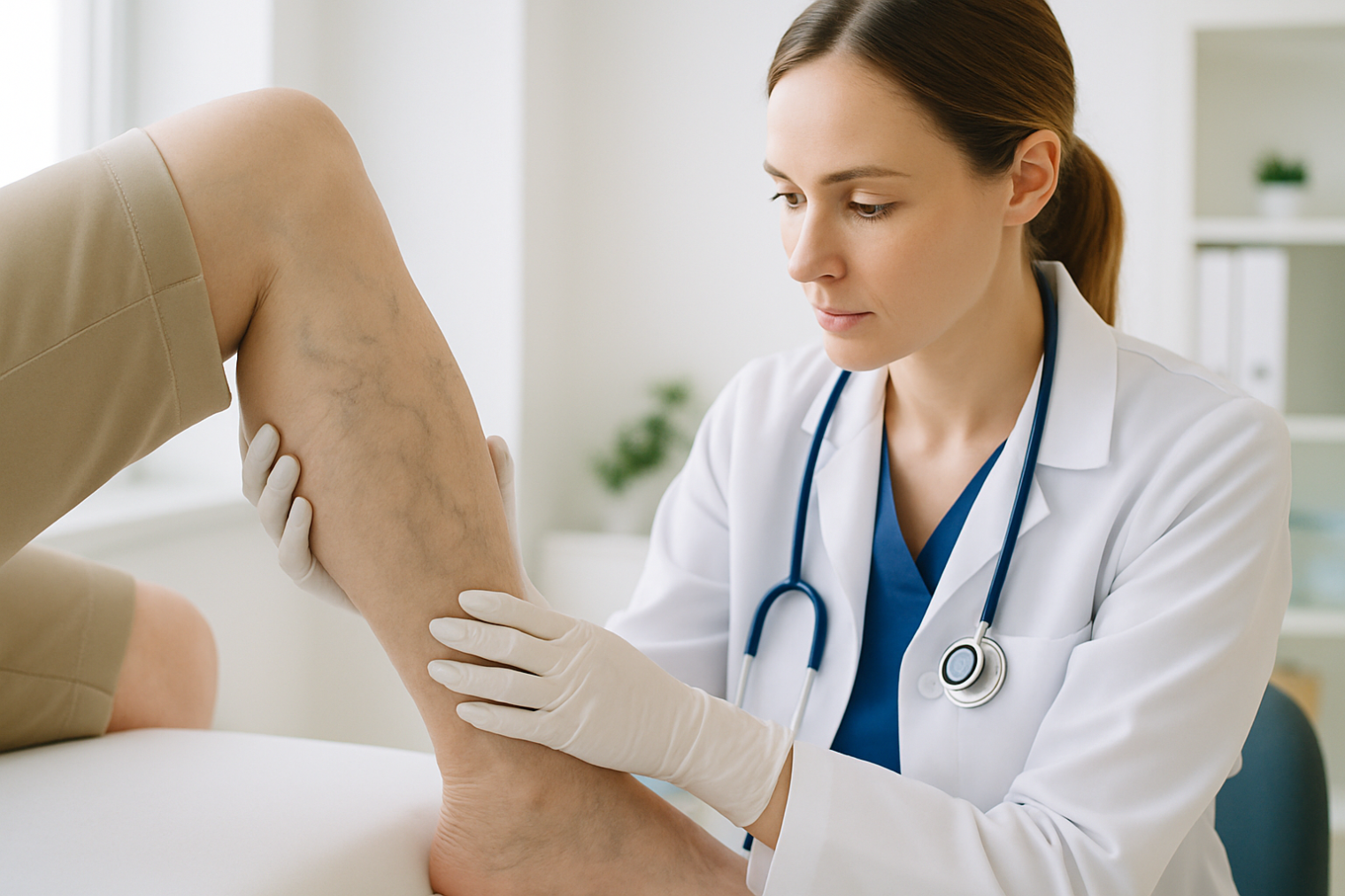
If you are considering treatment for Varicose Veins, Spider Veins, Varicose Veins Doctor, and Veins Specialist services, you may wonder how long recovery will take. Recovery depends on the treatment used, the size and location of the veins, and your overall healing process.
Many modern vein treatments are minimally invasive and allow patients to return to everyday activities relatively quickly. However, bruising, swelling, tenderness, and visible vein changes can take longer to disappear. Understanding the recovery process can help you plan for work, exercise, and other daily activities while giving your body enough time to heal properly.
How Long Does Recovery Usually Take?
Recovery time varies depending on the procedure. Treatments such as sclerotherapy and endovenous ablation typically have shorter recovery periods than traditional vein surgery.
After sclerotherapy, many patients can walk immediately and return to regular activities the same day. Mild bruising, redness, or tenderness may remain for several days or weeks as the treated veins gradually improve.
Endovenous ablation also generally involves a short recovery. Many patients can return to work within a few days, although people with physically demanding jobs may need additional time.
Traditional surgical procedures may require a longer recovery because they involve incisions and more extensive treatment. Your Varicose Veins Doctor can provide a more accurate recovery timeline based on your specific procedure.
What Happens During the First Few Days?
The first few days after treatment are usually focused on supporting circulation and allowing the treated area to heal. Mild soreness, swelling, bruising, tightness, or tenderness may occur.
Walking is often encouraged following minimally invasive vein procedures because gentle movement supports circulation. Your provider may also recommend wearing compression stockings for a specific period.
You may be able to return to desk work quickly, but strenuous exercise, heavy lifting, and other demanding activities may need to be temporarily restricted.
Follow your provider’s instructions carefully rather than assuming that feeling better means you are ready for every activity. Recovery recommendations can differ significantly depending on the procedure performed.

When Can You Return to Work?
Your return-to-work timeline depends on both the treatment and the type of work you perform. Someone with a desk job may return sooner than someone whose job requires heavy lifting, prolonged standing, or physical activity.
After minimally invasive procedures, many people can resume normal activities relatively quickly. However, temporary restrictions may still be recommended to minimize discomfort and support healing.
If your work requires extended periods of standing, ask your provider when it is appropriate to resume your normal schedule. If you work at a desk, taking regular movement breaks may also be helpful.
Instead of comparing your recovery with someone else’s, follow the personalized recommendations provided by your healthcare professional.
When Can You Exercise Again?
Walking is commonly encouraged after many vein treatments, but strenuous exercise may need to wait. Running, heavy weightlifting, cycling, and other high-intensity activities can place additional stress on the treated area.
Your provider will tell you when it is safe to return to your regular workout routine. The timeframe depends on the procedure and your individual healing.
Gradually increasing activity is generally preferable to immediately returning to intense exercise. If you experience significant pain, increasing swelling, or unusual symptoms during activity, stop and contact your healthcare provider.
Discuss your normal exercise routine before treatment so your Veins Specialist can provide appropriate recovery instructions.
How Long Do Bruising and Swelling Last?
Bruising and swelling are common temporary effects following several types of vein treatment. The duration depends on the procedure, the number of veins treated, and individual healing.
After sclerotherapy, bruising may last for several days or weeks. Some treated veins may also feel firm or lumpy temporarily as the body processes the treated vessel.
Following endovenous ablation, patients may experience soreness, bruising, tingling, or numbness near the treated vein. These symptoms generally improve as healing progresses.
Temporary changes do not necessarily mean the treatment was unsuccessful. Veins often need time to close, shrink, and gradually become less visible.
Contact your provider if swelling or pain becomes severe, suddenly worsens, or is accompanied by other concerning symptoms.
When Will You See the Final Results?
Feeling recovered and seeing the final results are not necessarily the same thing. You may return to normal activities within days while the treated veins continue changing over the following weeks or months.
Smaller veins treated with sclerotherapy may improve within several weeks, while larger veins can take several months to fade. Some patients may also require multiple treatment sessions.
It is important not to judge the final outcome too early. Your provider can evaluate your progress during follow-up appointments and determine whether additional treatment is appropriate.
Treatment addresses the veins being treated, but new Spider Veins or varicose veins can develop in the future. Maintaining healthy habits and following professional recommendations can support long-term vein health.

How Can You Support a Smooth Recovery?
Following your provider’s aftercare instructions is one of the most important steps after treatment. Depending on the procedure, you may be instructed to wear compression stockings, walk regularly, keep the treated area clean, and temporarily avoid strenuous activities.
Compression garments may help support the treated veins and reduce discomfort, but they should be used according to your provider’s instructions.
Gentle movement can also be beneficial. Avoid staying completely inactive unless your provider specifically tells you to do so.
Keeping your follow-up appointments is equally important. These visits allow your healthcare professional to monitor healing and address any concerns.
Most importantly, contact your medical team if something does not seem right. Individual recovery can vary, so professional guidance should take priority over general timelines.
When Should You Contact Your Doctor?
Most minimally invasive vein treatments have straightforward recoveries, but patients should know which symptoms require medical attention.
Contact your provider if you develop unexpected or worsening swelling, significant pain, unusual redness, drainage, or other concerning changes around the treatment area.
Sudden leg swelling or significant calf pain can require prompt medical evaluation because blood clots are a potential complication of some procedures. Chest pain, difficulty breathing, coughing up blood, fainting, or severe lightheadedness require immediate emergency medical attention.
Do not wait for a scheduled follow-up if you develop potentially serious symptoms. Prompt medical evaluation can help identify complications and ensure you receive appropriate care.
Why Your Treatment Type Matters
There is no single recovery timeline for every vein procedure. Sclerotherapy, endovenous ablation, phlebectomy, and traditional vein surgery all treat veins differently and can have different recovery requirements.
Minimally invasive procedures generally allow patients to resume daily activities sooner than traditional surgery. However, your individual recovery depends on factors such as the treatment area, number of veins treated, and your body’s healing response.
A consultation with a qualified vein professional can help you understand what to expect before and after treatment. Your provider can also explain when you may safely return to work, exercise, travel, and other activities.
Rather than relying on someone else’s experience, use the recovery plan specifically recommended for your treatment.
Conclusion
Recovery after varicose vein treatment can range from the same day for some minimally invasive procedures to several weeks for more extensive treatments. Sclerotherapy and endovenous ablation typically have shorter recovery periods, although bruising, swelling, tenderness, and changes in vein appearance may continue for weeks or months.
Following aftercare instructions, walking as recommended, wearing compression when prescribed, and avoiding strenuous activities until cleared can support proper healing. Follow-up appointments are also important for monitoring your progress.
If you are concerned about Varicose Veins or Spider Veins, professional evaluation can help you understand your treatment options and expected recovery. Charming Skin Vein Clinics in Chicago is available to discuss your vein-care needs. Call 630-974-2400 to schedule a consultation.