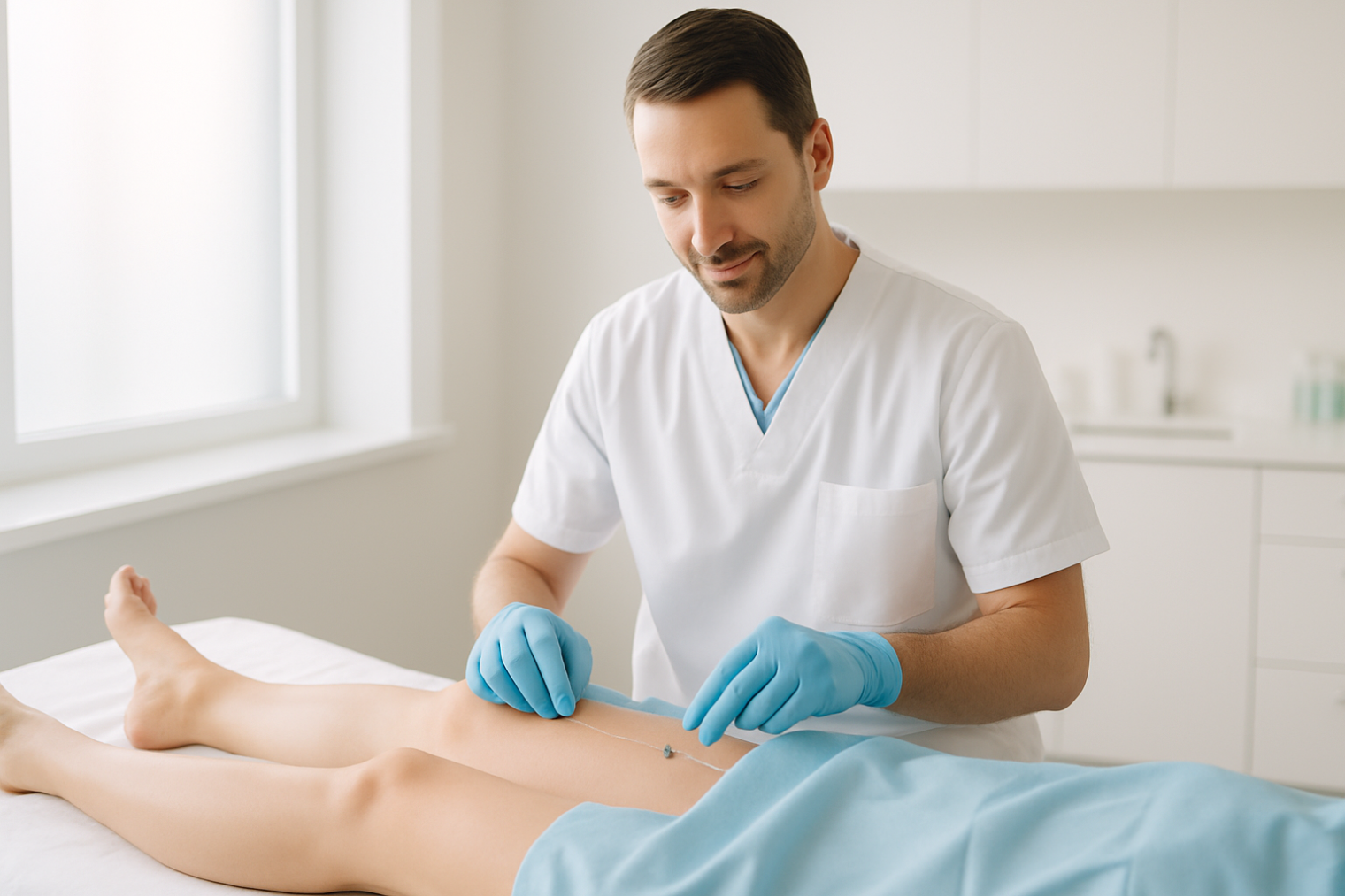
Varicose veins can cause more than visible changes in the legs. They may lead to aching, swelling, heaviness, itching, or discomfort that interferes with daily activities. Understanding how long treatment takes can help you plan appointments and recovery. Whether you are dealing with Varicose Veins, Spider Veins, a Varicose Veins Doctor, or a Veins Specialist, the timeline depends on the severity of the condition and the treatment recommended. Some procedures take less than an hour and allow patients to return home the same day, while others may require multiple appointments. Knowing what to expect can make treatment easier to plan and help you make informed decisions about your vein health.
How Long Does a Varicose Vein Evaluation Take?
Treatment typically begins with a consultation and examination. Your provider will review your symptoms, medical history, and concerns before examining the affected areas. If necessary, a duplex ultrasound may be performed to evaluate blood flow and identify problems with the veins or valves.
A consultation and examination may take approximately 30 minutes to an hour, depending on whether additional testing is required. The ultrasound itself is noninvasive and generally does not require recovery time.
An evaluation is important because different vein problems require different treatments. Small spider veins may be treated differently from larger varicose veins associated with underlying circulation issues. A professional assessment helps determine the most appropriate approach.
How Long Does Sclerotherapy Take?
Sclerotherapy is commonly used to treat spider veins and some smaller varicose veins. During the procedure, a solution is injected into targeted veins, causing them to close so the body can gradually absorb them.
A typical appointment may take about 30 minutes to an hour. Because it is generally performed in an outpatient setting, patients can usually leave shortly afterward.
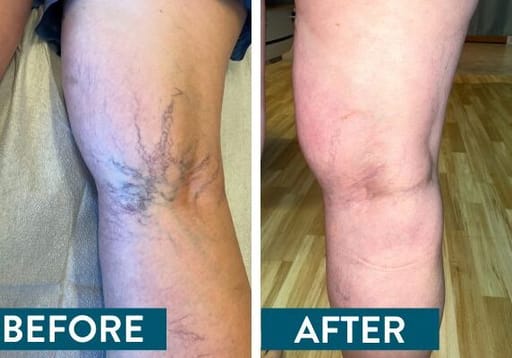
Although the procedure is relatively quick, results take longer to appear. Treated veins may initially look darker or bruised before gradually becoming less noticeable. Some people need several sessions, especially when many veins are present.
Your provider can recommend the number of treatments based on the size, number, and location of the veins being treated.
How Long Does Laser Vein Treatment Take?
Endovenous laser treatment is a minimally invasive procedure used to treat certain larger varicose veins. Laser energy is used to close the affected vein, allowing blood to flow through healthier veins.
The procedure often takes less than an hour and is usually performed with local anesthesia. Patients generally remain awake and can walk soon after treatment.
Because there is no need for traditional surgical removal of the vein, recovery is often relatively short. Many patients return home the same day and gradually resume normal activities according to their provider’s instructions.
Your Varicose Veins Doctor can explain the expected procedure and recovery time based on your individual condition.
How Long Does Radiofrequency Ablation Take?
Radiofrequency ablation uses heat generated by radiofrequency energy to close an unhealthy vein. It is another minimally invasive option for certain types of varicose veins.
The procedure commonly takes less than an hour. A thin catheter is guided into the targeted vein, and controlled energy is used to seal it.
Patients can typically walk shortly after treatment and return home the same day. Mild bruising, tenderness, or swelling may occur during recovery.
While the procedure itself is short, complete healing takes longer. Your Veins Specialist can provide instructions about exercise, work, compression garments, and follow-up care.
How Long Does Recovery Take?
Recovery varies depending on the treatment performed. Minimally invasive procedures generally have shorter recovery periods than traditional surgery.
Walking is often encouraged after vein procedures because regular movement supports circulation. However, strenuous exercise, heavy lifting, or certain activities may need to be avoided temporarily.
Bruising, tenderness, mild swelling, or tightness can occur after treatment. These effects generally improve as the treated area heals.
Recovery also does not mean that visible veins disappear immediately. The body may need several weeks or longer to gradually process treated veins. Following your provider’s instructions and attending recommended follow-up appointments can help support the recovery process.
How Many Treatment Sessions Are Needed?
The number of sessions varies from person to person. Some patients may need only one procedure, while others require multiple treatments to address different veins or areas of the legs.
Spider veins are often treated through a series of sclerotherapy sessions. Larger veins may require a procedure such as laser or radiofrequency ablation before smaller surface veins are addressed.
Your provider will create a treatment plan based on the number and size of affected veins, your symptoms, circulation, and treatment goals.
It is also important to understand that successful treatment does not guarantee that new veins will never develop. Factors such as aging, genetics, pregnancy, and prolonged standing can contribute to future vein problems.

What Factors Affect Treatment Time?
Several factors can influence the overall treatment timeline. The severity and number of affected veins are important considerations. Someone with a few small veins may require considerably less treatment than someone with extensive varicose veins.
The treatment method also affects appointment and recovery times. Sclerotherapy, laser ablation, and radiofrequency ablation each have different procedures and aftercare requirements.
Your general health and healing response may also affect recovery. Previous vein treatments, medications, and other individual factors can influence how your provider plans treatment.
The number of areas being treated matters as well. Multiple areas may require separate appointments rather than being treated during one visit.
During your consultation, ask your provider how long the complete treatment process is expected to take rather than focusing only on the procedure itself.
When Should You See a Vein Specialist?
Visible veins do not always require treatment, but certain symptoms should be evaluated by a professional. Persistent aching, swelling, heaviness, itching, skin changes, or discomfort may indicate an underlying vein problem.
You may also benefit from an evaluation if varicose veins are becoming larger, more numerous, or increasingly uncomfortable.
A Veins Specialist can examine your symptoms and determine whether diagnostic testing is appropriate. This allows treatment to address the underlying problem rather than focusing only on the appearance of visible veins.
Sudden leg swelling or significant pain should be evaluated promptly. If these symptoms occur with chest pain or shortness of breath, seek emergency medical attention.
What Happens After Treatment?
After treatment, your provider will give you specific recovery instructions. These may include walking regularly, wearing compression garments when recommended, attending follow-up appointments, and temporarily limiting strenuous activities.
The treated veins may take time to fade. Temporary bruising, tenderness, or swelling can occur, depending on the procedure.
Follow-up visits allow your provider to monitor healing and determine whether additional treatment is necessary. Some patients may need another session if veins remain visible or if different areas require treatment.
The goal of treatment may include reducing discomfort, improving circulation, minimizing visible veins, or addressing several concerns at once. Discussing your expectations with your Varicose Veins Doctor can help you understand what results and recovery timeline are realistic.
Conclusion
The time required for varicose vein treatment depends on the type and severity of the condition and the procedure selected. Many minimally invasive treatments can be completed in less than an hour, but the complete process may include consultation, diagnostic testing, follow-up visits, and several weeks of healing. Sclerotherapy, laser treatment, and radiofrequency ablation each have different timelines.
If you have noticeable or uncomfortable veins, a professional evaluation can help determine the right treatment approach. Charming Skin Vein Clinics provides vein care for patients in Chicago seeking professional guidance for vein concerns. To learn more about available treatment options or schedule an appointment, call 630-974-2400.