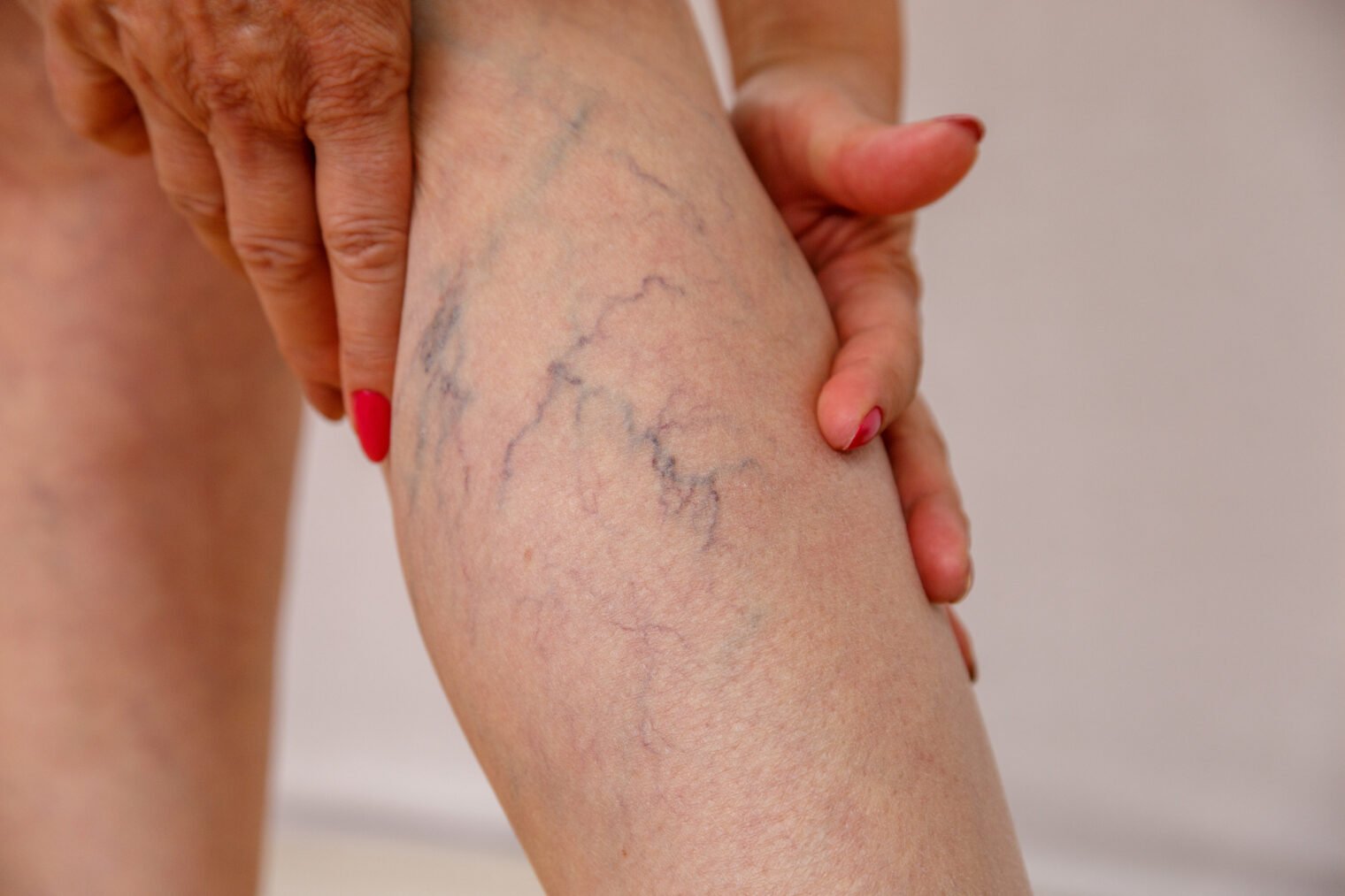
Varicose veins are enlarged, twisted veins that commonly appear on the legs, while spider veins are smaller red, blue, or purple vessels near the skin’s surface. Although they are often harmless, they can cause aching, swelling, heaviness, itching, or discomfort. Choosing the safest treatment depends on the type of vein problem, symptoms, overall health, and underlying circulation. A qualified varicose veins doctor or veins specialist can evaluate the veins and recommend an appropriate treatment. Modern vein care offers several minimally invasive options that may provide effective results with limited downtime. Understanding these treatments can help patients make informed decisions and know when professional evaluation is necessary.
What Makes a Varicose Vein Treatment Safe?
The safest treatment is not necessarily identical for every patient. Treatment should address the underlying vein problem while minimizing unnecessary risks, discomfort, and recovery time.
A physician may consider the size and location of the veins, symptoms, medical history, and circulation before recommending treatment. An ultrasound may also be used to determine whether abnormal blood flow is contributing to the condition.
Minimally invasive treatments are often preferred when appropriate because they generally require smaller access points than traditional surgery. However, every procedure has potential risks, so professional evaluation is important.
Choosing an experienced provider is another important part of safe treatment. A varicose veins doctor can determine whether treatment is necessary and explain which option best matches the patient’s condition.
Can Varicose Veins Be Treated Without Surgery?
Many varicose veins can be treated without traditional surgery. Modern procedures can close or eliminate problematic veins using small needles, catheters, injections, or other minimally invasive techniques.
Endovenous treatments, for example, can close an unhealthy vein so blood is redirected through healthier vessels. The body gradually absorbs the treated vein.
Depending on the condition, patients may receive laser treatment, radiofrequency ablation, sclerotherapy, or another procedure. The best choice depends on vein size, location, anatomy, and symptoms.
Nonsurgical treatment does not mean that evaluation is unnecessary. A proper diagnosis helps ensure that the underlying cause is addressed rather than simply treating visible veins.

How Does Sclerotherapy Treat Spider Veins?
Sclerotherapy is a common treatment for spider veins and certain smaller varicose veins. During the procedure, a medical professional injects a solution into the affected vessel.
The solution causes the vein to close, after which the body gradually absorbs it. Blood is redirected through healthier veins, and the treated vessel becomes less visible.
Sclerotherapy is particularly useful for smaller veins located close to the skin. Some patients may require multiple sessions depending on the number and size of the veins being treated.
Temporary bruising, redness, swelling, or mild discomfort may occur. Although serious complications are uncommon, treatment should be performed by a qualified medical professional.
An evaluation can also determine whether visible spider veins are connected to larger underlying veins that need attention.
What Is Endovenous Laser Treatment?
Endovenous laser treatment is a minimally invasive option for certain larger varicose veins. A thin catheter delivers laser energy inside the affected vein.
The heat causes the vein to close, allowing blood to flow through healthier vessels. The body gradually breaks down and absorbs the treated vein.
Unlike traditional vein surgery, the procedure generally requires only a small access point. It is often performed in an outpatient setting, and recovery is typically shorter than with surgical vein removal.
Patients may experience temporary bruising, soreness, tightness, or swelling. A provider will explain recovery instructions and when normal activities can resume.
Whether laser treatment is appropriate depends on the patient’s vein anatomy. Ultrasound can help a veins specialist determine whether this treatment is suitable.
How Does Radiofrequency Ablation Work?
Radiofrequency ablation uses controlled radiofrequency energy to close certain problematic veins. A small catheter is placed inside the affected vein, where energy heats the vein wall.
The vein then collapses and seals, causing blood to redirect through healthier vessels. Like laser treatment, radiofrequency ablation is minimally invasive and generally does not require traditional surgical incisions.
Temporary tenderness, bruising, or a pulling sensation may occur during recovery. Most patients can return to normal activities relatively quickly, although recovery recommendations vary.
The procedure is not appropriate for every patient. The size, location, structure, and function of the affected vein should be evaluated first.
A personalized treatment plan helps ensure the selected procedure addresses the actual source of the vein problem.
Can Compression and Lifestyle Changes Help?
Not everyone with varicose veins needs an immediate procedure. For patients with mild symptoms, conservative measures may help manage discomfort and support circulation.
Compression stockings provide graduated pressure to the legs, helping blood move upward toward the heart. They may be recommended for people experiencing swelling, aching, or heaviness.
Regular walking and physical activity can also support healthy circulation. Avoiding long periods of sitting or standing and elevating the legs periodically may reduce discomfort.
Maintaining a healthy weight can also reduce pressure on the veins. However, these measures generally manage symptoms rather than permanently eliminating existing varicose veins.
A healthcare professional can determine whether conservative care is appropriate or whether additional evaluation is needed.

Why Is an Ultrasound Evaluation Important?
Ultrasound is an important part of evaluating many vein conditions. Duplex ultrasound can show how blood moves through the veins and identify abnormal backward blood flow, known as reflux.
This information helps a physician look beyond visible veins and identify potential underlying problems. A patient may have small visible veins while a larger vein underneath is contributing to the condition.
Ultrasound is noninvasive and does not use radiation. It can help determine the size, location, and function of affected veins.
Accurate diagnosis is essential because treatment should be based on the underlying problem rather than appearance alone. A thorough evaluation allows the provider to recommend an appropriate treatment and explain expected results and risks.
When Should You See a Vein Specialist?
Visible veins do not always require treatment, particularly when they cause no symptoms. However, professional evaluation may be appropriate when veins become painful, swollen, itchy, or increasingly noticeable.
Persistent leg heaviness, aching, skin changes, or swelling may also indicate an underlying circulation issue. A veins specialist can evaluate these symptoms and determine whether diagnostic testing is necessary.
Sudden swelling, significant pain, warmth, or unusual discoloration should receive prompt medical attention because these symptoms can have causes requiring urgent evaluation.
Patients should also ask their provider about treatment experience, expected results, recovery time, potential complications, and alternatives before choosing a procedure.
How Can You Choose the Right Treatment?
Choosing the right treatment begins with identifying the cause and severity of the vein problem. Different procedures are designed for different vein sizes and conditions, so one treatment may not work equally well for everyone.
A qualified provider should explain why a specific procedure is recommended and discuss expected results, potential side effects, recovery, and whether additional treatment may be necessary.
Patients should also consider whether their primary concern is cosmetic or related to symptoms such as pain and swelling. Some procedures primarily improve appearance, while others address problematic veins affecting circulation.
The safest approach is to choose treatment based on an accurate diagnosis and an individualized plan rather than selecting a procedure solely because it is advertised as quick or convenient.
Conclusion
The safest treatment for varicose veins depends on the patient’s symptoms, vein anatomy, overall health, and underlying circulation. Treatments such as sclerotherapy, endovenous laser treatment, and radiofrequency ablation can provide minimally invasive options for appropriate patients, while compression and lifestyle changes may help manage mild symptoms. An ultrasound evaluation can help identify abnormal blood flow and guide treatment decisions. If you have painful, swollen, or worsening veins, professional evaluation can help determine the most appropriate approach. For personalized vein care in Chicago, Charming Skin Vein Clinics can help you understand your options and determine whether treatment may be appropriate. Call 630-974-2400 to schedule an evaluation.