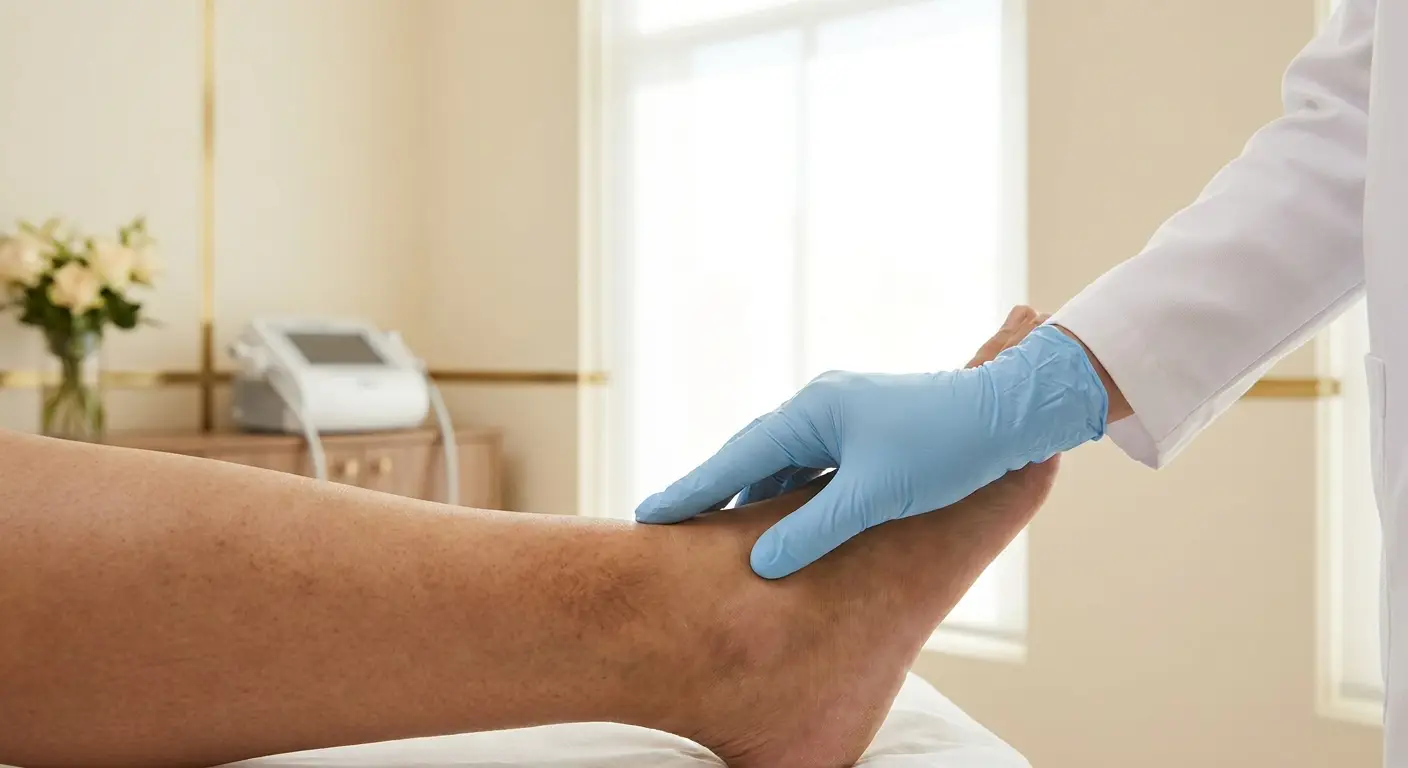
Varicose Veins Spider Veins Varicose Veins Doctor Veins Specialist services play an important role in identifying and treating vein conditions before they become more serious. Many people think varicose veins are only a cosmetic concern, but they can also indicate underlying vein disease that may worsen over time without proper care. Understanding the stages of varicose veins helps patients recognize early warning signs, seek timely treatment, and reduce the risk of complications.
Vein disease develops gradually, often beginning with mild symptoms that become more noticeable over the years. From tiny spider veins to painful swelling and skin changes, each stage requires different levels of attention. Learning what to expect at every phase allows individuals to make informed healthcare decisions and maintain healthier circulation for years to come.
Understanding What Causes Varicose Veins
Varicose veins develop when the valves inside the veins become weak or damaged. These valves normally keep blood moving upward toward the heart. When they fail to function properly, blood begins to pool inside the veins, causing them to enlarge and twist beneath the skin.
Several factors increase the likelihood of developing varicose veins. Age naturally weakens vein walls, while genetics often plays a significant role. Individuals with family members who have vein disease are more likely to develop similar conditions. Pregnancy, obesity, prolonged standing, and sedentary lifestyles can also contribute to increased pressure within the veins.
Although some people only experience cosmetic concerns, others notice aching, heaviness, throbbing, or fatigue in the legs. These symptoms often become worse after standing for long periods or at the end of the day.
Seeking evaluation from a Varicose Veins Spider Veins Varicose Veins Doctor Veins Specialist allows early identification of circulation problems before complications develop. Modern diagnostic tools can determine whether symptoms are related to superficial veins or deeper venous insufficiency.
Understanding the underlying cause is the first step toward selecting the most effective treatment and preventing further progression of vein disease.
Stage One: Spider Veins and Early Vein Changes
The earliest stage of vein disease often appears as spider veins. These tiny red, blue, or purple blood vessels become visible near the skin’s surface, especially on the legs and face. While they are generally painless, some individuals experience mild burning, itching, or discomfort.
Spider veins are frequently the first visible indication that circulation is beginning to change. Although many people dismiss them as a cosmetic issue, they may signal the early development of chronic venous insufficiency.
At this stage, lifestyle modifications can make a meaningful difference. Regular exercise, maintaining a healthy weight, elevating the legs, and wearing compression stockings may help reduce symptoms and slow progression.
A consultation with a Varicose Veins Spider Veins Varicose Veins Doctor Veins Specialist can determine whether spider veins are isolated cosmetic concerns or signs of more significant vein disease. Ultrasound evaluation often provides valuable information about blood flow beneath the surface.
Early intervention often leads to simpler treatment options and better long-term outcomes while helping patients maintain both healthy circulation and improved confidence in their appearance.
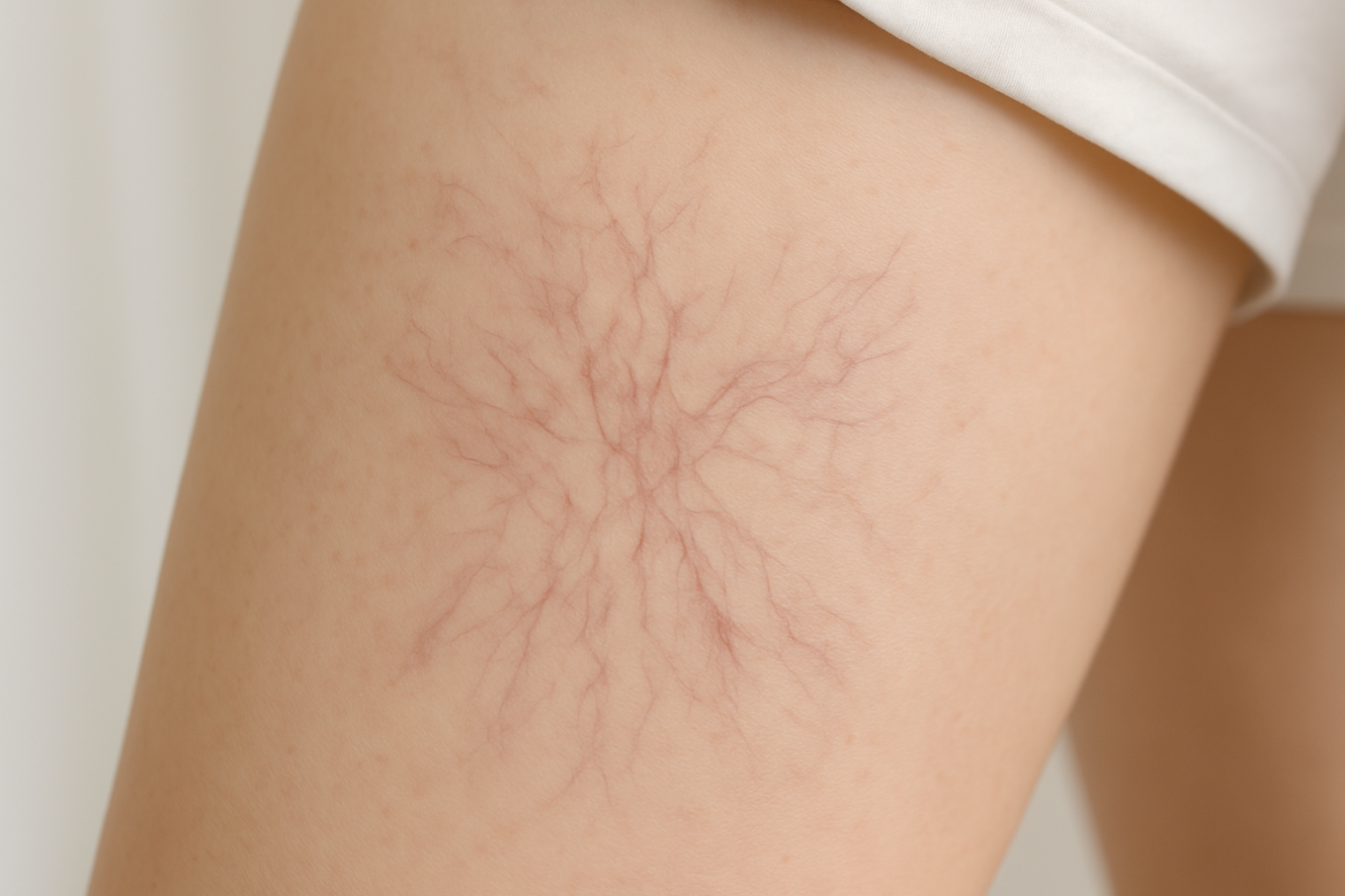
Stage Two: Visible Varicose Veins Develop
As vein disease progresses, enlarged, twisted veins become clearly visible beneath the skin. These veins usually appear blue or dark purple and commonly develop on the calves or thighs.
Many patients begin experiencing symptoms such as aching, heaviness, throbbing, muscle cramps, or itching around the affected veins. Discomfort frequently increases after standing or sitting for extended periods.
Although these symptoms may initially seem manageable, they often indicate worsening valve dysfunction. Blood continues to accumulate inside the affected veins, increasing pressure and stretching the vessel walls.
At this stage, professional evaluation becomes increasingly important. A vein specialist can assess the severity of venous insufficiency and recommend treatments such as minimally invasive ablation procedures, sclerotherapy, or other personalized options.
Treatment during this phase not only improves cosmetic appearance but also helps prevent disease progression. Addressing varicose veins before complications arise typically results in faster recovery and more successful long-term outcomes.
Stage Three: Leg Swelling and Increased Discomfort
The third stage is characterized by persistent swelling, especially around the ankles and lower legs. Unlike temporary swelling caused by prolonged standing, this swelling often becomes a daily occurrence.
Fluid begins leaking into surrounding tissues because increased vein pressure affects normal circulation. Patients may notice that shoes feel tighter by evening or that socks leave deeper marks around the ankles.
Symptoms often include aching, fatigue, tightness, and a feeling of heaviness that interferes with normal daily activities. Elevating the legs may provide temporary relief but does not correct the underlying vein dysfunction.
Diagnostic ultrasound becomes especially valuable during this stage because it identifies the extent of venous reflux and guides treatment planning. Addressing the condition promptly helps reduce swelling while lowering the risk of future complications.
Without appropriate care, persistent swelling can eventually contribute to skin changes that become more difficult to reverse.
Stage Four: Skin Changes and Tissue Damage
As chronic venous insufficiency worsens, prolonged pressure begins affecting the skin itself. The lower legs may develop brown discoloration caused by iron deposits from leaking blood cells.
Patients frequently experience dry, itchy, or inflamed skin known as venous eczema. Over time, the skin may become thicker, firmer, or less flexible due to ongoing inflammation and tissue damage.
These changes indicate that circulation has been impaired for a considerable period. Without treatment, the skin becomes increasingly vulnerable to injury and slow healing.
A Varicose Veins Spider Veins Varicose Veins Doctor Veins Specialist can evaluate these advanced symptoms and recommend procedures that improve blood flow while helping prevent further tissue damage.
Stage Five: Healed Venous Ulcers
Stage five occurs after a patient has developed and successfully healed a venous leg ulcer. Although the wound has closed, the underlying vein disease remains present.
The skin surrounding previous ulcers often appears fragile and more susceptible to breakdown. Without correcting venous insufficiency, ulcers frequently recur.
Patients require ongoing monitoring, compression therapy, and treatment of the underlying circulation problem. Lifestyle modifications remain important for maintaining healthy blood flow and minimizing future complications.
Minimally invasive vein procedures can significantly improve circulation, reducing pressure within damaged veins and lowering the likelihood of ulcer recurrence.
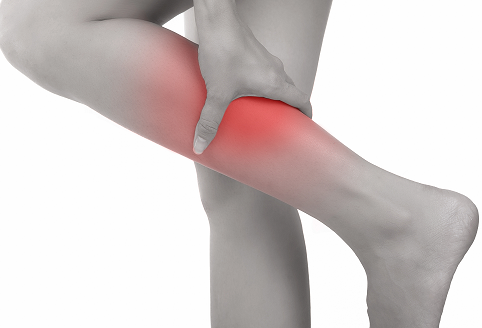
Stage Six: Active Venous Ulcers
Stage six represents the most advanced form of chronic venous disease. Open sores, usually near the ankles, develop because prolonged high vein pressure prevents normal healing.
Venous ulcers can be painful, produce drainage, and significantly affect mobility and quality of life. Infection also becomes a greater concern if wounds are not properly managed.
Treatment typically involves specialized wound care, compression therapy, and correction of the underlying vein dysfunction. Healing may require several weeks or months depending on the severity of the condition and overall patient health.
Early diagnosis dramatically reduces the likelihood of reaching this advanced stage. Patients experiencing persistent swelling, skin changes, or worsening discomfort should seek prompt evaluation rather than waiting for symptoms to become severe.
When Should You See a Vein Specialist?
Many individuals delay seeking treatment because they assume varicose veins are simply a cosmetic issue. However, early evaluation often prevents more complex problems later.
You should consider scheduling an appointment if you experience persistent leg pain, heaviness, swelling, visible enlarged veins, nighttime cramps, itching, skin discoloration, or slow-healing wounds.
A comprehensive examination usually includes a physical assessment and duplex ultrasound imaging. This allows the specialist to determine how well your veins function and identify any hidden circulation issues.
Modern vein treatments are minimally invasive, require little downtime, and often provide significant symptom relief with excellent cosmetic improvement.
Preventing Varicose Veins from Progressing
Although genetics cannot be changed, several healthy habits can help slow the progression of vein disease.
Maintaining regular physical activity improves calf muscle function, which supports healthy circulation. Walking, swimming, and cycling are particularly beneficial because they encourage blood flow without placing excessive strain on the veins.
Maintaining a healthy weight reduces pressure on the legs, while avoiding prolonged standing or sitting helps prevent blood from pooling. Elevating the legs whenever possible and wearing properly fitted compression stockings may also improve daily comfort.
Routine evaluations become increasingly important for individuals with a family history of vein disease or occupations requiring prolonged standing.
Conclusion
Understanding the stages of varicose veins helps patients recognize symptoms before serious complications develop. From early spider veins to advanced venous ulcers, every stage benefits from timely evaluation and appropriate treatment. Early diagnosis can improve circulation, reduce discomfort, and help prevent long-term skin damage or chronic wounds.
If you are experiencing leg pain, swelling, visible veins, or other symptoms of vein disease, Charming Skin Vein Clinics is committed to providing personalized vein care in Chicago. Their experienced team offers advanced diagnostic evaluations and minimally invasive treatment options designed to restore healthy circulation and improve your quality of life. To schedule a consultation or learn more about available treatment options, call +1 630-974-1400 today. Early care can make a lasting difference in your vein health.
https://www.buzzsprout.com/2645776/episodes/19735865
https://www.podomatic.com/podcasts/alishamorgan156podcast/episodes/2026-09-01T05_26_21-07_00
https://stream.redcircle.com/episodes/6eb9ed06-aa4d-431a-ac0d-57e8a3813f52/stream.mp3