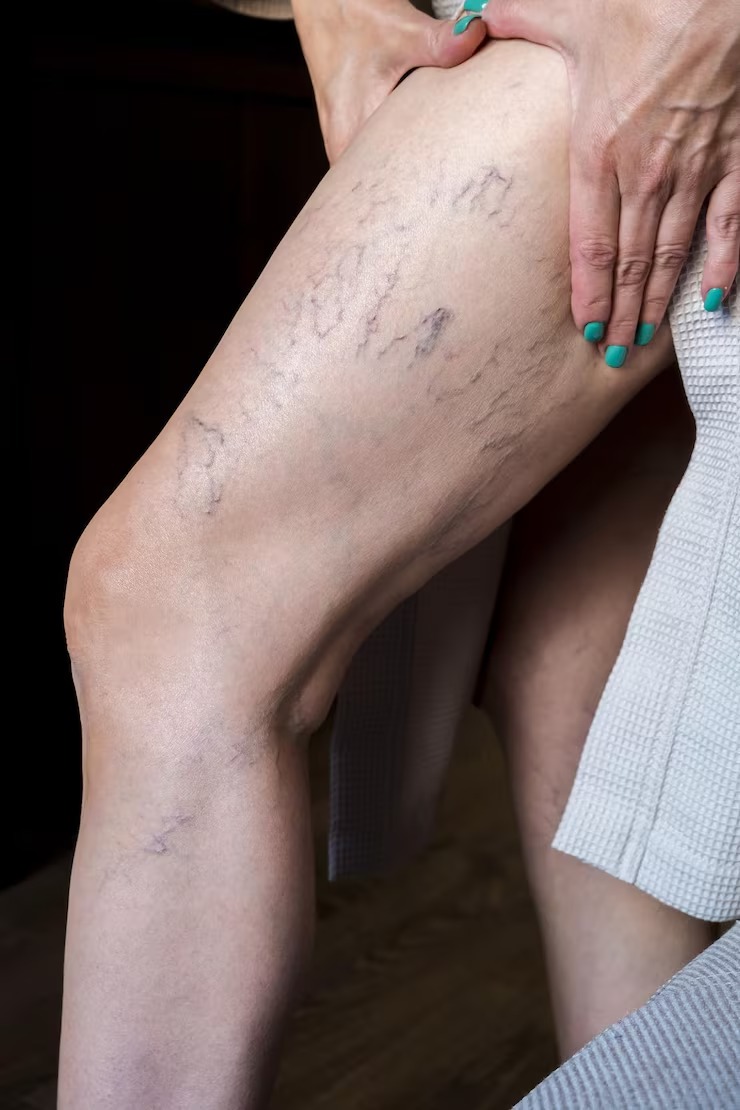
Varicose veins are a common vascular condition where enlarged, twisted veins appear just under the surface of the skin, most often in the legs. These veins can cause discomfort, heaviness, swelling, and in some cases, more serious circulation problems. Understanding varicose veins is important because the condition is not only cosmetic but can also affect overall vein health and daily comfort.
The best treatment for varicose veins depends on severity, symptoms, and overall health. Some people find relief through lifestyle changes, while others may require minimally invasive medical procedures. Early evaluation helps prevent complications and improves long term outcomes. In this article, we will explore the most effective treatment options available today and how they work, so you can better understand which approach may be right for you.
Understanding Varicose Veins and Why They Develop
Varicose veins develop when the valves inside veins weaken or become damaged. This causes blood to pool instead of flowing efficiently back to the heart. Over time, this pressure leads to enlarged and twisted veins that are visible beneath the skin.
Several factors increase the risk of developing varicose veins, including genetics, age, prolonged standing, obesity, and hormonal changes. Women are more likely to develop them due to pregnancy and hormonal fluctuations. While often considered a cosmetic concern, they can also lead to aching, throbbing, and fatigue in the legs.
Treatment begins with understanding the root cause. When blood flow is impaired, the goal of treatment is to improve circulation and reduce pressure in affected veins. This can range from simple lifestyle adjustments to advanced medical procedures depending on severity. Early diagnosis plays a key role in preventing progression and complications.
Conservative Management and Lifestyle Changes
For mild cases of varicose veins, conservative treatment is often the first step. These approaches focus on improving blood flow and reducing symptoms without invasive procedures.
Regular exercise is one of the most effective ways to support vein health. Activities like walking or swimming help strengthen calf muscles, which assist in pumping blood back to the heart. Elevating the legs when resting also reduces pressure in the veins and can ease discomfort.
Weight management is another important factor. Excess weight increases pressure on leg veins, worsening symptoms over time. Avoiding long periods of sitting or standing can also make a significant difference. Simple movement breaks throughout the day help maintain circulation.
Compression stockings are commonly recommended as part of conservative care. They apply gentle pressure to the legs, supporting vein function and reducing swelling. While these methods may not eliminate varicose veins, they are often effective in managing symptoms and slowing progression.
Sclerotherapy as a Minimally Invasive Option
Sclerotherapy is one of the most widely used treatments for varicose veins, especially smaller ones and spider veins. The procedure involves injecting a special solution directly into the affected vein, causing it to collapse and gradually fade.
This treatment is performed in a clinical setting and typically requires no anesthesia. Over time, the body naturally reroutes blood through healthier veins while the treated vein is absorbed. Many patients see noticeable improvement within a few weeks.
Sclerotherapy is considered highly effective for cosmetic improvement and symptom relief. It is also minimally invasive, meaning recovery time is short and most patients can return to normal activities quickly.
However, multiple sessions may be needed depending on the number and size of affected veins. While sclerotherapy does not prevent new varicose veins from forming, it remains a reliable and popular treatment option for managing existing ones.
Endovenous Laser Treatment for Targeted Relief
Endovenous laser treatment, often referred to as EVLT, is a modern technique used for larger or more severe varicose veins. It uses laser energy delivered through a thin catheter inserted into the affected vein. The heat causes the vein to close and eventually be absorbed by the body.
This procedure is minimally invasive and performed under local anesthesia. Patients typically experience little discomfort and can return to daily activities within a short period. Compared to traditional surgery, EVLT offers faster recovery and fewer complications.
One of the key benefits of this treatment is its precision. It directly targets the diseased vein while preserving surrounding healthy tissue. This makes it an effective option for patients with significant symptoms such as pain, swelling, or heaviness.
While EVLT is highly effective, follow up care is important. Wearing compression stockings and maintaining healthy habits helps improve results and reduces the risk of new varicose veins developing in the future.
Surgical Options for Severe Varicose Veins
In advanced cases of varicose veins, surgery may be recommended when other treatments are not effective. One common procedure is vein stripping, where the affected vein is removed through small incisions.
Although surgery is less common today due to minimally invasive options, it is still used for severe or complicated cases. It can provide long term relief, especially when veins are large, painful, or associated with complications such as skin changes or ulcers.
Recovery from surgery is longer compared to other treatments, but outcomes are often positive. Patients are usually advised to limit activity during initial healing and gradually return to normal movement.
Even after surgery, ongoing care is essential. Lifestyle changes and follow up treatments help maintain results and prevent recurrence. For some patients, surgical intervention offers the most definitive solution for long standing varicose veins that do not respond to less invasive methods.
Compression Therapy and Ongoing Maintenance
Compression therapy plays a key role in both prevention and management of varicose veins. Compression stockings apply controlled pressure to the legs, helping veins move blood more efficiently back to the heart.
These stockings are available in different pressure levels depending on the severity of the condition. They are often recommended for people who spend long hours standing or sitting, as well as those recovering from vein procedures.
While compression therapy does not remove varicose veins, it significantly reduces symptoms such as swelling, aching, and heaviness. It also helps prevent worsening of the condition over time.
Consistency is important for results. Wearing compression stockings daily, especially during active hours, can improve comfort and support overall vein health. Combined with exercise and healthy habits, this approach forms a strong foundation for long term management.
Choosing the Best Treatment Option
Selecting the best treatment for varicose veins depends on individual factors such as vein size, symptoms, medical history, and lifestyle. Mild cases may respond well to conservative management, while more advanced cases often require medical procedures.
A professional evaluation is essential to determine the most appropriate approach. Ultrasound imaging is often used to assess vein function and identify underlying issues. This helps specialists recommend targeted treatment plans tailored to each patient.
Minimally invasive options like sclerotherapy and laser treatment are often preferred due to their effectiveness and quick recovery time. Surgery is typically reserved for more severe or persistent cases.
Ultimately, the goal is to relieve symptoms, improve appearance, and restore healthy circulation. Early consultation ensures better outcomes and helps prevent progression of varicose veins.
Recovery and Long Term Prevention Strategies
Recovery after treatment for varicose veins varies depending on the procedure used. Minimally invasive treatments usually require little downtime, while surgery may require a longer healing period.
During recovery, patients are encouraged to stay active with light movement to promote circulation. Avoiding prolonged inactivity is important for preventing complications. Compression stockings are often recommended to support healing.
Long term prevention focuses on maintaining healthy habits. Regular exercise, weight control, and avoiding long periods of sitting or standing all contribute to better vein health. Elevating the legs when resting can also reduce pressure in the veins.
Even after successful treatment, new varicose veins can still develop over time. Ongoing care and periodic check ups help ensure long lasting results and overall vascular health.
Conclusion
The best treatment for varicose veins depends on the severity of the condition and the individual patient’s needs. Options range from lifestyle changes and compression therapy to minimally invasive procedures like sclerotherapy and laser treatment, and in some cases, surgery. Each method aims to improve circulation, reduce symptoms, and restore comfort and confidence.
Early evaluation and proper care are essential for achieving the best outcomes and preventing complications. If you are experiencing symptoms of varicose veins, seeking professional guidance can help you choose the right treatment path.
For expert care and personalized treatment options, contact Charming Skin Vein Clinics in Chicago at +1 630-974-1400.