Finding the right vascular surgeon is an important step toward protecting your overall health, especially if you’re dealing with vein or artery conditions. A vascular surgeon specializes in diagnosing and treating issues that affect blood flow, including varicose veins, peripheral artery disease, and more serious circulatory problems. Choosing a qualified specialist ensures accurate diagnosis, effective treatment, and long-term relief.
This topic matters because untreated vascular conditions can worsen over time, leading to discomfort, complications, or even life-threatening situations. Whether you’re noticing early symptoms or seeking advanced care, understanding how to find a trusted professional can make all the difference. In this guide, we’ll walk you through what a vascular surgeon does, when to see one, and how to choose the best provider for your needs.
What Does a Vascular Surgeon Do?
A vascular surgeon is a medical specialist trained to treat diseases of the vascular system, which includes arteries, veins, and lymphatic circulation. Unlike general surgeons, they focus specifically on conditions affecting blood flow throughout the body. Their expertise covers both minimally invasive procedures and complex surgeries.
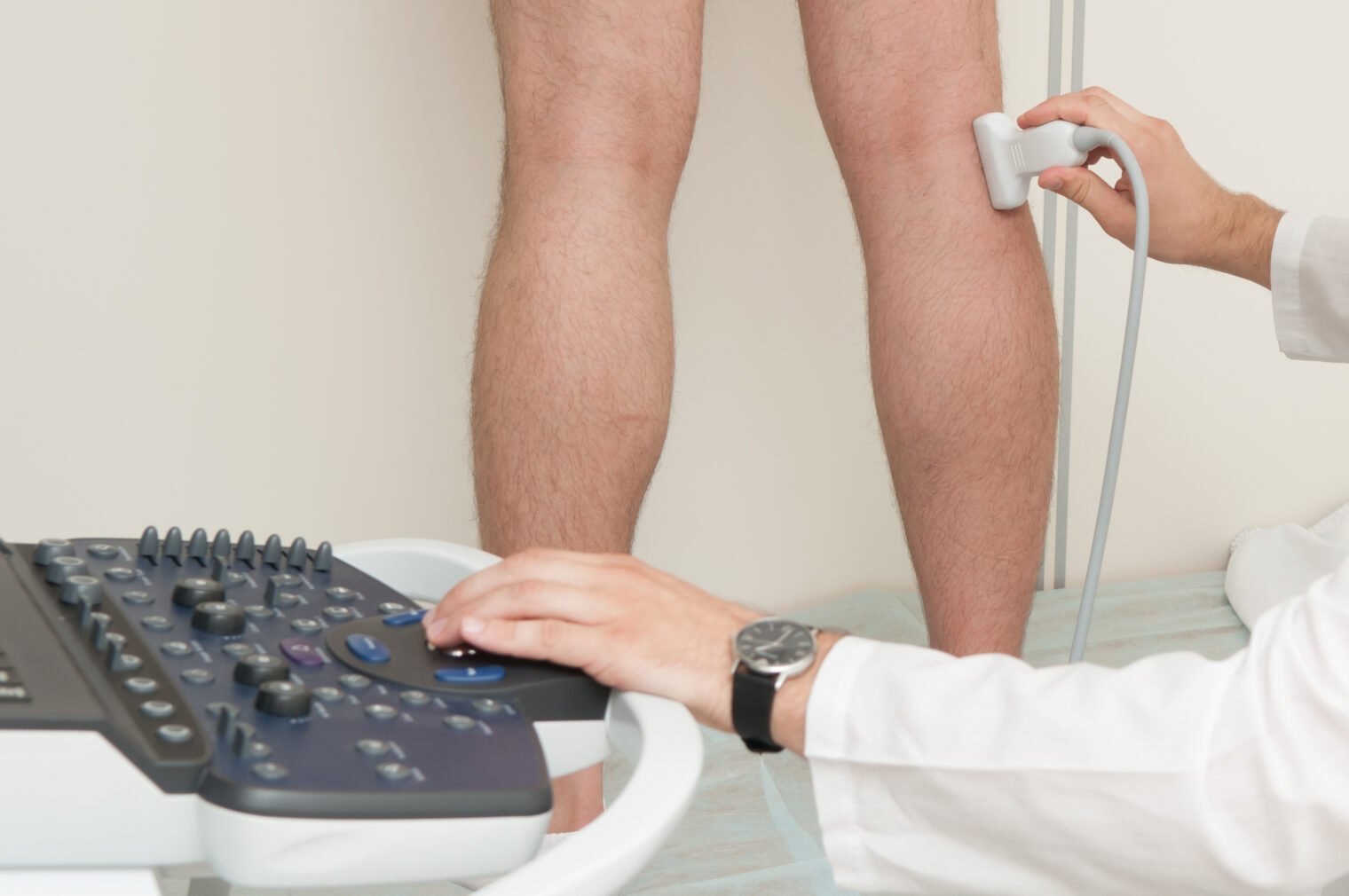
These specialists treat a wide range of conditions, from spider veins and varicose veins to aneurysms and blocked arteries. They use advanced diagnostic tools such as ultrasound imaging and angiography to assess blood flow and identify issues accurately. Based on the diagnosis, they create personalized treatment plans that may include lifestyle changes, medications, or surgical procedures.
In many cases, a vascular surgeon emphasizes preventive care. Early detection of vascular issues can reduce the risk of complications like blood clots or stroke. Patients benefit from their comprehensive approach, which combines medical knowledge with surgical precision.
Understanding the role of a vascular surgeon helps patients feel more confident when seeking care. It also ensures you know what to expect during consultations and treatments, making the process less intimidating and more effective.
Common Conditions Treated by Vascular Surgeons
Vascular surgeons treat a variety of conditions that affect circulation. One of the most common issues is varicose veins, which appear as enlarged, twisted veins often seen in the legs. These can cause discomfort, swelling, and cosmetic concerns.
Another common condition is peripheral artery disease (PAD), where narrowed arteries reduce blood flow to the limbs. This can lead to pain while walking and increase the risk of serious complications if untreated. Vascular surgeons also manage deep vein thrombosis (DVT), a condition involving blood clots that can travel to the lungs and become life-threatening.
Other conditions include aneurysms, carotid artery disease, and chronic venous insufficiency. Each requires specialized evaluation and treatment. A vascular surgeon uses advanced techniques to address these issues effectively while minimizing risks.
Recognizing these conditions early is key. If you experience symptoms like leg pain, swelling, or visible veins, seeking professional evaluation can help prevent progression and improve your quality of life.

Signs You Should See a Vascular Specialist
Many people ignore early symptoms of vascular problems, assuming they are minor or temporary. However, certain signs indicate it’s time to consult a vascular surgeon. Persistent leg pain, especially during walking, may signal reduced blood flow.
Swelling in the legs or ankles is another warning sign. It could indicate venous insufficiency or other circulatory issues. Visible varicose veins, skin discoloration, or ulcers that do not heal are also important indicators.
Some patients experience numbness, tingling, or a feeling of heaviness in the limbs. These symptoms may point to underlying vascular conditions that require medical attention. In more serious cases, sudden chest pain or shortness of breath could indicate a blood clot, requiring immediate care.
Early consultation with a vascular surgeon can prevent complications and lead to more effective treatment. Paying attention to your body and seeking timely medical advice is essential for maintaining vascular health.
How to Choose the Right Vascular Surgeon
Choosing the right vascular surgeon involves careful consideration of several factors. First, verify their credentials and board certification. This ensures they have the necessary training and expertise in vascular care.
Experience is another key factor. A surgeon with a strong track record in treating your specific condition is more likely to deliver successful outcomes. You should also consider the range of services offered, including minimally invasive procedures.
Patient reviews and testimonials can provide insight into the quality of care and patient satisfaction. Look for consistent positive feedback regarding professionalism, communication, and results.
Additionally, consider the clinic’s location and accessibility. Regular follow-up visits may be necessary, so convenience matters. Taking the time to research and evaluate your options will help you find a trusted vascular surgeon who meets your needs.
Modern Treatments and Procedures Available
Advancements in medical technology have transformed vascular care. Today, a vascular surgeon can offer minimally invasive procedures that reduce recovery time and improve outcomes.
One popular treatment is endovenous laser therapy (EVLT), which uses heat to close off problematic veins. Sclerotherapy is another common option, involving the injection of a solution that causes veins to collapse and fade.
For more complex conditions, procedures such as angioplasty and stenting are used to restore blood flow in blocked arteries. These techniques are less invasive than traditional surgery and often performed on an outpatient basis.
Modern treatments focus on patient comfort and efficiency. Many procedures require little downtime, allowing patients to return to their normal activities quickly. Consulting a vascular surgeon ensures access to these advanced options tailored to your condition.
Benefits of Early Diagnosis and Treatment
Early diagnosis plays a crucial role in managing vascular conditions effectively. When issues are identified at an early stage, treatment is often simpler and more successful.
A vascular surgeon can detect underlying problems before they become severe. This proactive approach reduces the risk of complications such as blood clots, ulcers, or permanent damage to blood vessels.
Timely treatment also improves quality of life. Patients experience relief from symptoms like pain, swelling, and fatigue. Additionally, early intervention can prevent the need for more invasive procedures later on.
Regular check-ups and awareness of symptoms are essential. By seeking care early, you can maintain better vascular health and avoid unnecessary complications.

What to Expect During Your First Visit
Your first visit to a vascular surgeon typically involves a thorough evaluation. The doctor will review your medical history, discuss your symptoms, and perform a physical examination.
Diagnostic tests may be recommended to assess blood flow and identify any abnormalities. These can include ultrasound imaging or other non-invasive procedures. The goal is to gain a clear understanding of your condition.
After the evaluation, the surgeon will explain your diagnosis and recommend a treatment plan. This may include lifestyle changes, medication, or a specific procedure. Patients are encouraged to ask questions and discuss their concerns.
Understanding what to expect helps reduce anxiety and ensures a smooth experience. A good vascular surgeon will prioritize clear communication and patient comfort throughout the process.
Lifestyle Tips for Better Vascular Health
Maintaining healthy habits is essential for preventing vascular problems. Regular exercise improves circulation and strengthens the cardiovascular system. Activities like walking, swimming, and cycling are especially beneficial.
A balanced diet also plays a key role. Consuming foods rich in fiber, healthy fats, and antioxidants supports blood vessel health. Reducing salt intake can help prevent swelling and high blood pressure.
Avoiding prolonged sitting or standing is important. Taking breaks to move around promotes better blood flow. Wearing compression stockings may also help individuals at risk of vein issues.
By adopting these habits, you can reduce your risk of developing vascular conditions. A vascular surgeon may also provide personalized recommendations based on your health profile.
Conclusion
Finding a trusted vascular specialist is essential for maintaining your overall health and well-being. From understanding symptoms to exploring modern treatments, taking proactive steps can prevent complications and improve your quality of life. A qualified professional can guide you through diagnosis, treatment, and long-term care with confidence.
If you’re looking for expert care, Charming Skin Vein Clinics in Chicago offers comprehensive vascular services tailored to your needs. Their experienced team is dedicated to providing advanced treatments and personalized attention. To learn more or schedule a consultation, call +1 630-974-1400. Taking action today can help you achieve better vascular health and long-lasting results.


