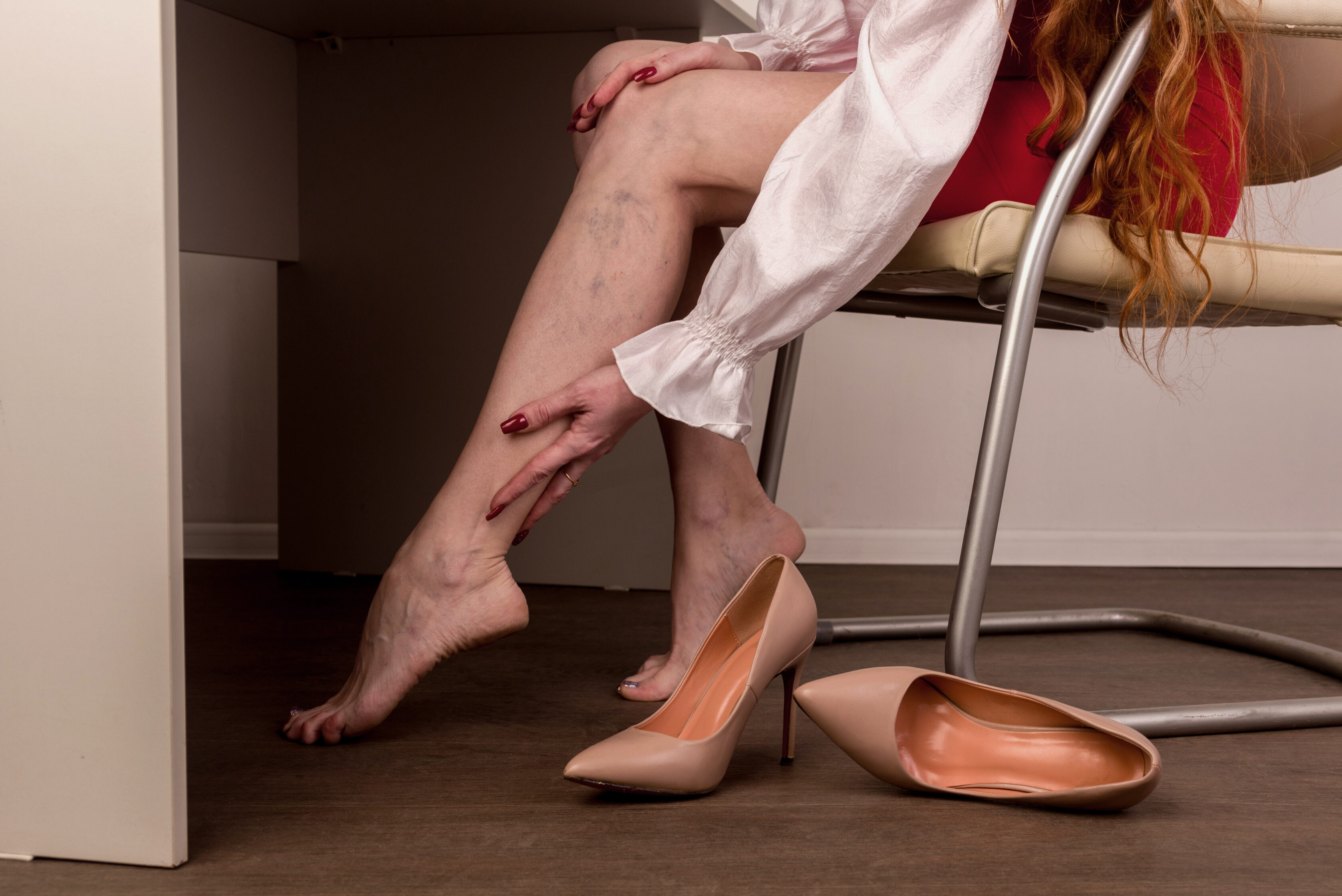
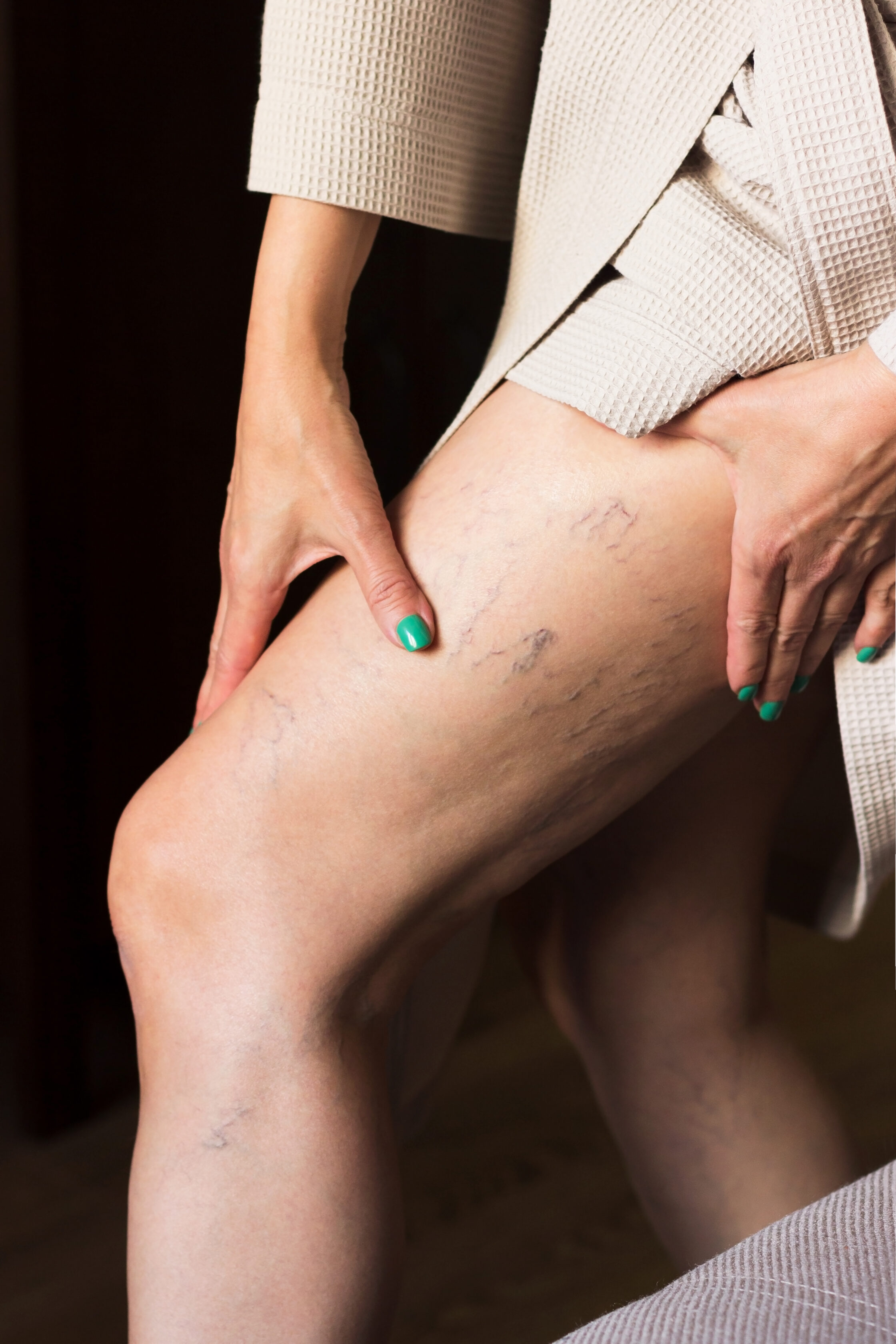
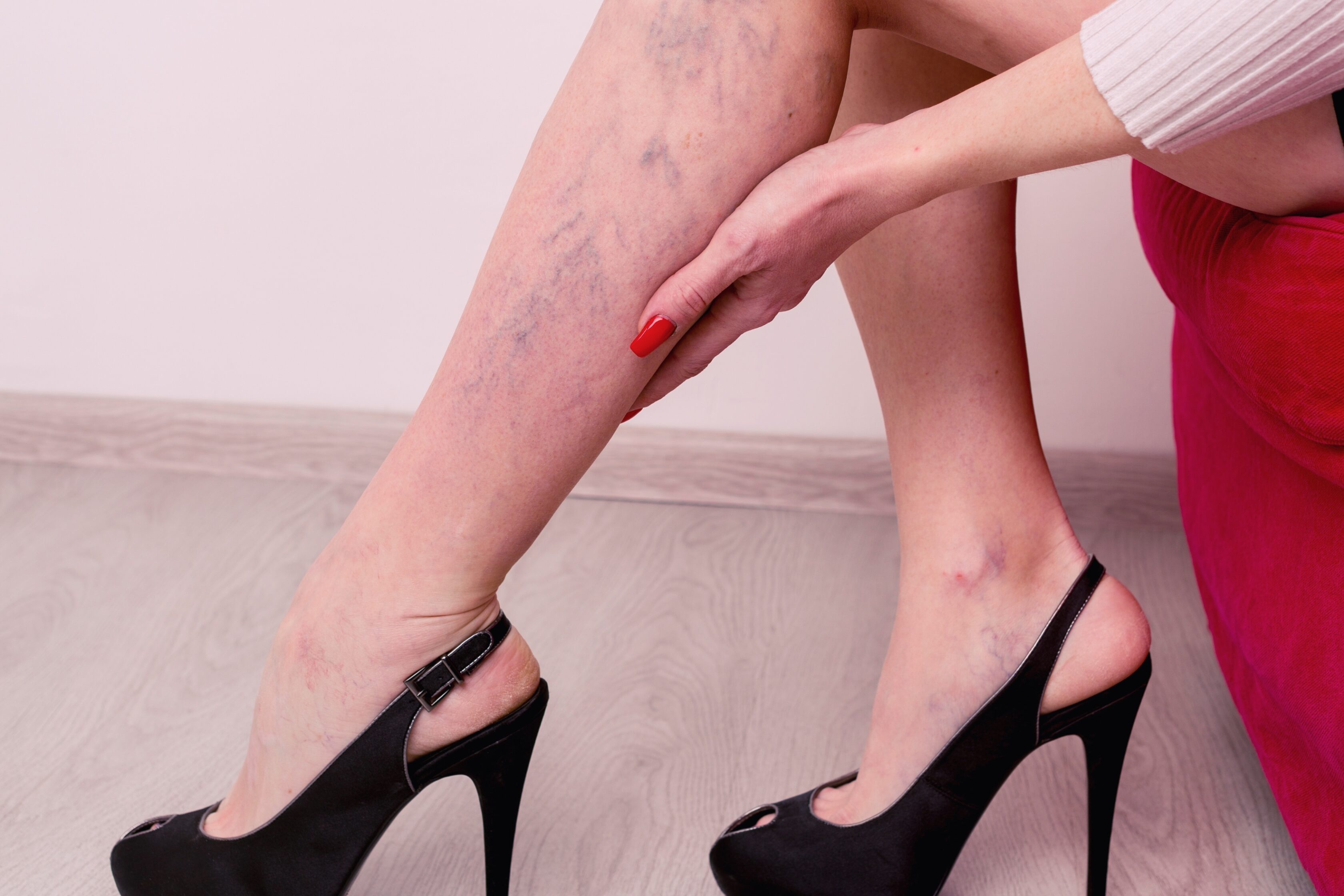
Varicose veins are a common condition that causes enlarged, twisted veins, often visible under the skin, most commonly in the legs and feet. They occur when valves inside the veins weaken, allowing blood to pool instead of flowing smoothly toward the heart. While medical treatments can provide relief, many people prefer to start with natural home remedies that help manage discomfort and improve circulation.
Understanding how to care for varicose veins at home can make a significant difference in reducing swelling, pain, and visible vein appearance. With consistency, simple lifestyle changes and natural remedies can support healthier veins and enhance overall leg comfort. Below are some of the best home-based remedies to help manage varicose veins and promote better vein health naturally.
Exercise to Improve Blood Flow
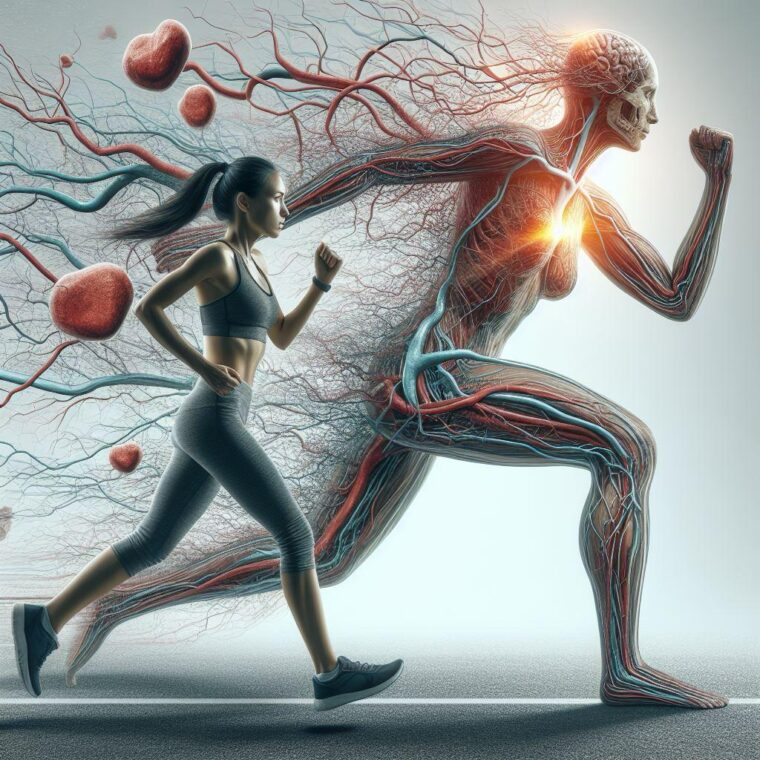
One of the most helpful ways to manage varicose veins at home is through regular exercise. Movement encourages better blood circulation in the legs, helping the veins push blood back toward the heart. Low-impact activities such as walking, swimming, and cycling are especially beneficial because they strengthen leg muscles without putting too much pressure on the veins. Consistent exercise also helps maintain a healthy weight, which reduces strain on your veins and prevents further swelling.
Simple movements like calf raises or leg stretches can be done at home or even at work to keep blood flowing. When circulation improves, pressure inside the veins decreases, making symptoms like pain, heaviness, and fatigue less noticeable. Exercise not only helps in controlling existing varicose veins but also prevents new ones from forming. Incorporating regular movement into your routine is an easy, natural, and cost-free way to promote overall vein health.

Elevating the Legs Regularly
Leg elevation is one of the simplest yet most effective home remedies for varicose veins. Raising your legs above heart level encourages blood to flow more easily toward the heart, reducing pooling in the veins and easing swelling. This position helps relieve the pressure on your leg veins, especially after long hours of standing or sitting. You can elevate your legs by lying on your back and placing them on pillows or resting them against a wall for 15 to 20 minutes several times a day.
Doing this regularly can help reduce discomfort, throbbing, and heaviness associated with varicose veins. Elevation also minimizes inflammation, promotes relaxation, and can even improve the appearance of swollen veins over time. Whether during a short break or at bedtime, incorporating leg elevation into your daily routine supports better circulation and provides natural relief for varicose veins.
Wearing Compression Stockings
Compression stockings are one of the most recommended home remedies for varicose veins because they provide constant pressure to the legs, supporting the veins and encouraging healthy blood flow. These specially designed stockings help prevent blood from pooling in the veins, reducing swelling, discomfort, and the visible appearance of bulging veins. They come in different levels of compression, from mild to firm, and can be worn throughout the day during work or daily activities.
Wearing them consistently can make a noticeable difference in how your legs feel, especially if you spend long hours standing or sitting. Compression stockings are a safe, non-invasive option that can complement other remedies like exercise and leg elevation. It’s best to consult with a vein specialist to find the right level of compression for your needs. By improving circulation and reducing pressure, compression stockings are an essential part of managing varicose veins naturally and comfortably.
Maintaining a Healthy Weight
Carrying extra body weight puts additional pressure on the veins in your legs, making varicose veins more likely to form or worsen over time. Maintaining a healthy weight through balanced nutrition and regular physical activity can significantly improve vein health. When weight is kept in check, the veins have less strain to manage blood flow efficiently, reducing swelling and discomfort. A diet rich in fiber, antioxidants, and lean proteins supports healthy circulation and prevents constipation, which can also contribute to vein pressure.
Reducing processed foods, salt, and sugary snacks helps limit water retention and inflammation. Drinking plenty of water throughout the day further supports good circulation and hydration. Small, consistent lifestyle changes like portion control, mindful eating, and regular walks can make a big difference in managing varicose veins. Achieving and maintaining a healthy weight promotes overall wellness and helps keep your veins functioning properly for years to come.
Using Natural Essential Oils
Certain essential oils are known for their soothing and circulation-boosting properties, making them a popular home remedy for varicose veins. Oils such as cypress, lavender, and peppermint can help relieve pain, reduce swelling, and promote relaxation. When diluted with a carrier oil like coconut or olive oil, these essential oils can be gently massaged onto the affected areas to improve blood flow and reduce inflammation. Cypress oil, in particular, is known for strengthening vein walls and reducing fluid buildup in the legs.
Lavender oil helps ease muscle tension, while peppermint oil provides a cooling sensation that can relieve heaviness and discomfort. Regular gentle massage with essential oils encourages lymphatic drainage and improves overall leg circulation. However, it’s important to test for skin sensitivity before use and avoid applying oils on open or irritated skin. Consistent use of essential oils offers a natural, pleasant, and aromatic approach to managing varicose veins at home.
Eating Foods That Support Vein Health
A balanced diet plays an important role in improving circulation and reducing the symptoms of varicose veins. Eating foods that are high in antioxidants, fiber, and essential vitamins helps strengthen blood vessels and reduce inflammation. Foods like citrus fruits, berries, spinach, avocados, and whole grains are rich in nutrients that support vein elasticity and promote healthy blood flow. Vitamin C helps build collagen, which keeps vein walls strong, while vitamin E improves circulation and prevents clotting.
Including foods rich in rutin, such as apples, asparagus, and buckwheat, can also help reduce vein swelling. Limiting processed foods and sodium intake helps minimize water retention, which can contribute to leg swelling. Maintaining a balanced diet not only supports vein health but also benefits overall cardiovascular wellness. By fueling your body with nutrient-rich foods, you can naturally reduce discomfort and improve the appearance of varicose veins over time.
Avoiding Prolonged Sitting or Standing
Long periods of sitting or standing can worsen varicose veins by restricting circulation in the legs. When you stay in one position for too long, blood has a harder time flowing upward toward the heart, leading to increased pressure in the veins. Taking short breaks to move around or stretch helps stimulate blood flow and reduces swelling. If your job requires long hours on your feet, try to shift your weight frequently and wear supportive shoes to minimize pressure.
For those who sit for most of the day, setting reminders to stand up and walk every hour can make a big difference. Elevating your legs during breaks or flexing your ankles while sitting can also improve circulation. Simple posture adjustments, combined with mindful movement, prevent blood from pooling and ease the discomfort associated with varicose veins. Staying active and avoiding inactivity is a practical and effective way to support healthy veins every day.
Applying Cold Compresses
Cold compresses provide quick relief from the pain and swelling caused by varicose veins. The cooling effect helps constrict blood vessels, reducing inflammation and improving comfort. Applying a cold pack or a clean towel soaked in cold water to the affected area for 10 to 15 minutes can ease throbbing sensations and heavy feelings in the legs.
Unlike heat, which can dilate veins and worsen swelling, cold therapy helps calm the veins and prevent further irritation. You can use this remedy several times a day, especially after standing for long periods or engaging in physical activity. Regular use of cold compresses, combined with other lifestyle adjustments, helps manage discomfort and keeps your legs feeling refreshed. It’s a simple, cost-effective, and non-invasive method to soothe varicose veins naturally while improving daily comfort and mobility.
Conclusion
Managing varicose veins doesn’t always require invasive treatments—many people find relief through consistent, natural home remedies. From improving circulation through exercise and leg elevation to maintaining a healthy weight, using essential oils, and eating vein-supportive foods, small daily habits can make a significant difference. Prioritizing rest and avoiding prolonged sitting or standing also keeps your veins functioning well. These practices not only ease discomfort but also help prevent further progression of varicose veins. For those seeking expert care and professional evaluation, Charming Skin Vein Clinics in Oak Brook, IL offers specialized treatments to restore vein health and comfort. Contact us today at 630-974-2400 to schedule a consultation and take the first step toward healthier, more confident legs.