
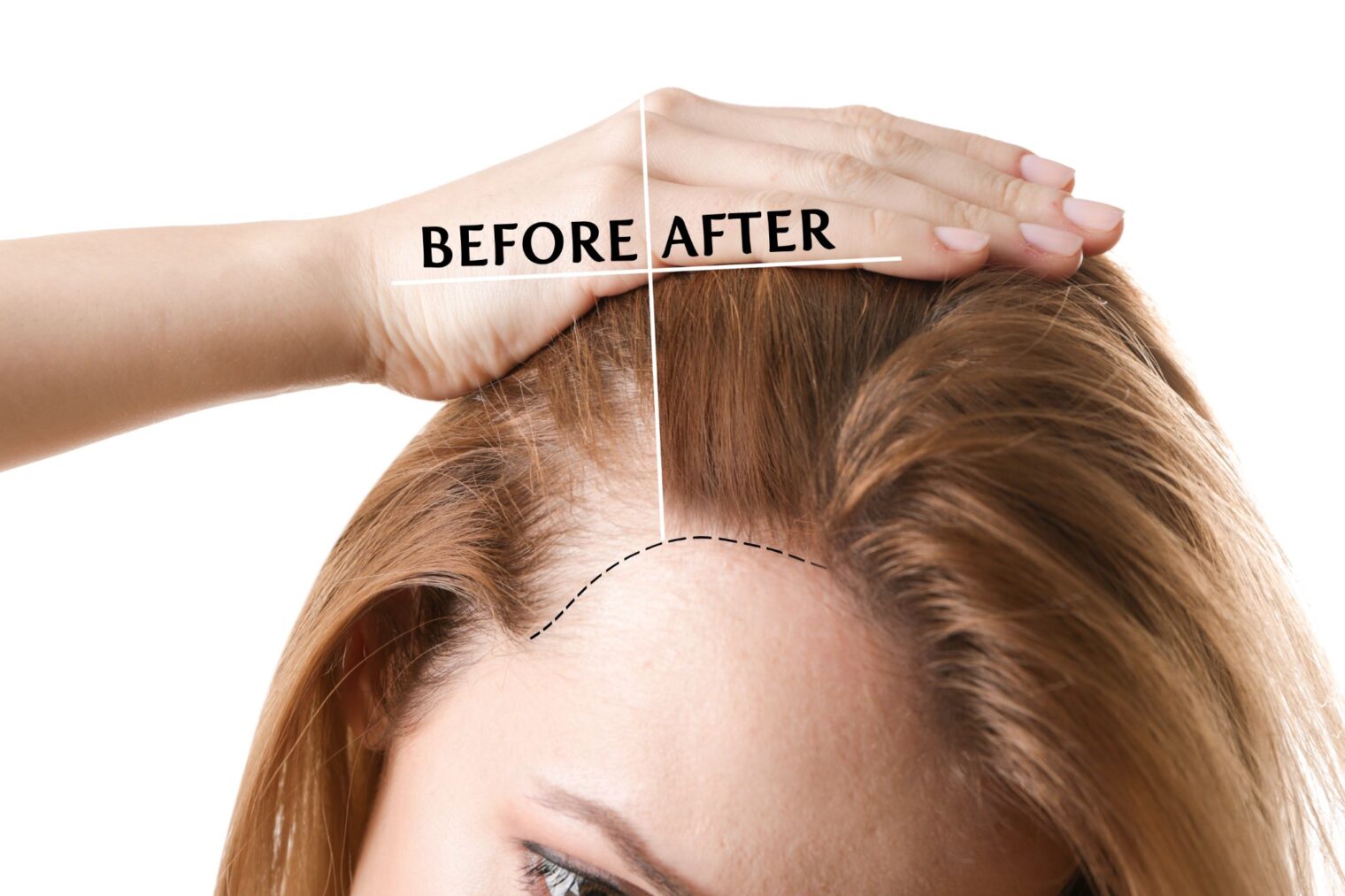
The Link Between Stress and Hair Loss: Strategies to Prevent Hair Loss
Hair loss is a widespread concern that affects people all over the world. While there are various factors contributing to hair loss, one often underestimated factor is stress and hair loss. In this comprehensive article, we will delve into the intricate relationship between stress and hair loss, focusing on effective strategies to prevent hair loss caused by stress.
Understanding the Hair Growth Cycle
Before we explore the connection between stress and hair loss, it’s essential to grasp the fundamentals of the hair growth cycle. Human hair undergoes a natural pattern consisting of three primary phases:
Anagen Phase: The Growth Phase
During this phase, hair actively sprouts from the hair follicles and can last for several years. The duration of this phase plays a crucial role in determining the length of your hair.
Catagen Phase: The Transitional Phase
Here, hair growth slows down, and the hair follicle begins to shrink, preparing for the next phase.
Telogen Phase: The Resting Phase
In this phase, old hair is shed to make way for new hair growth.
Understanding this cycle is vital to comprehend how stress can disrupt the normal growth process.
Stress and hair Loss Hair
Stress is an inevitable part of life, but when it becomes chronic, it can have adverse effects on your body, including your hair. During stressful periods, your body releases hormones like cortisol, which can affect hair health in various ways (stress and hair loss):
Telogen Effluvium: The Shedding Syndrome
Prolonged stress can simultaneously push a significant number of hair follicles into the telogen phase, leading to increased hair shedding. This condition is known as telogen effluvium and is a common consequence of chronic stress (stress and hair loss).
Alopecia Areata: The Immune System Battle
Stress can trigger autoimmune responses that result in hair loss. Alopecia areata is one such condition where the immune system mistakenly attacks hair follicles, causing hair to fall out in small, round patches.
Nutrition’s Role in Hair Health
Stress can also lead to poor dietary choices, which can exacerbate hair loss. To maintain healthy hair growth, your body requires a range of vitamins and minerals, including:
- Vitamin D: A deficiency in this vitamin has been linked to hair loss.
- Iron: Low iron levels can lead to anemia, contributing to hair loss.
- B Vitamins: Vitamins like Biotin (B7) and Folate (B9) are crucial for healthy hair.
Even during stressful times, maintaining a balanced diet is vital to prevent hair loss related to nutritional deficiencies.
Effective Strategies for Stress Management and Hair Preservation (stress and hair loss prevention)
Now that we’ve explored how stress can lead to hair loss, let’s discuss actionable strategies to prevent this from happening:
1. Regular Exercise: Boosting Endorphins
Engaging in physical activity releases endorphins, natural stress relievers that can reduce stress levels and promote hair growth.
2. Mindfulness and Meditation: Calming the Mind
Practicing mindfulness techniques and meditation can calm the mind, reducing Stress and Hair Loss and its impact on hair.
3. Balanced Diet: Nutritional Support
As mentioned earlier, a well-rounded diet rich in essential nutrients can support hair health, even during stressful periods.
4. Adequate Sleep: Rest and Recovery
Ensuring you get enough quality sleep is crucial, as sleep deprivation can worsen stress and contribute to hair loss.
5. Seek Professional Help: Guidance and Support
If chronic stress and significant hair loss are affecting your life, consider consulting healthcare professionals or therapists. They can provide personalized guidance and support tailored to your needs.
Conclusion
In conclusion, the undeniable link between stress and hair loss is evident, with stress-induced conditions like telogen effluvium and alopecia areata affecting many individuals. Additionally, stress-related nutritional deficiencies can worsen hair loss.
However, by implementing effective stress management strategies such as regular exercise, mindfulness, a balanced diet, and adequate sleep, you can mitigate the adverse effects of stress and Hair Loss on your hair. Remember, seeking professional help is always an option if you struggle with chronic stress and its impact on your hair and overall well-being.
By adopting these practices, you not only promote a healthy head of hair but also enhance your overall quality of life. Embrace a stress-free lifestyle, and watch your hair flourish once more as you take control of your hair health and well-being.


