- By Vismountain
- July 17, 2025
- de tratamiento de cicatrices de acné
Finding the right way to treat stubborn skin marks can feel overwhelming, especially when you’re dealing with the long-term effects of breakouts. Those lingering acne scars are more than just surface blemishes—they can impact confidence and self-image. The good news is, advancements in skincare and dermatology offer real, effective solutions for reducing their appearance quickly and safely. Whether your scars are dark spots, indentations, or raised marks, choosing the right treatment can make a visible difference. Let’s explore the best options available to help you regain smoother, clearer skin and feel good in your own skin again.
Professional Skincare Treatments for Smoother Results
When it comes to minimizing de tratamiento de cicatrices de acné, professional skincare treatments performed by licensed experts often deliver faster and more noticeable improvements. These treatments are typically tailored to your specific skin type and the nature of your scarring, which makes them more precise and effective than generic over-the-counter products. Options like chemical peels, microneedling, and laser therapy are widely used to stimulate collagen production and resurface the skin.
These clinical methods work beneath the outer layer of your skin to break down scar tissue and encourage new cell turnover. With consistent sessions, many people notice significant improvements in skin texture, tone, and the fading of acne scars. Always consult a dermatologist or licensed skin professional to ensure the treatment you choose is safe for your skin and addresses your specific type of scarring. Customized care can make a real difference in your healing process.
Laser Therapy to Diminish Acne Scarring
Laser therapy is one of the most advanced techniques available for reducing the appearance of acne scars. This non-invasive treatment uses focused light energy to penetrate the skin, targeting deep scar tissue and stimulating the body’s natural healing response. There are different types of laser treatments, including ablative and non-ablative options, each designed to improve skin texture and encourage collagen regeneration.
Ablative lasers remove layers of skin, while non-ablative lasers work deeper without damaging the surface. Depending on your scar type—such as rolling, boxcar, or ice pick scars—your dermatologist will recommend the most suitable method. Though several sessions may be needed, patients often report smoother, more even-toned skin over time. Laser therapy is especially effective for deeper, more stubborn acne scars that don’t respond well to topical treatments. As with any procedure, professional guidance is essential to prevent complications and achieve optimal results.
Microneedling for Gentle Scar Renewal
Microneedling is a minimally invasive treatment that has grown in popularity for its ability to improve skin texture and minimize the appearance of acne scars. The process involves tiny needles that create controlled micro-injuries in the skin, which trigger collagen and elastin production. These essential proteins help rebuild damaged skin and fill in depressed scars over time.
This technique works well for individuals with atrophic scars—such as boxcar and rolling scars—by encouraging the skin to repair itself naturally. After a few sessions, patients often see smoother, firmer, and more even skin. Microneedling can be enhanced with the application of serums or platelet-rich plasma to further accelerate healing and boost results. The recovery time is usually short, making it a convenient option for those looking for visible change without major downtime. Always ensure the treatment is performed by a certified professional for safe and effective results.
Chemical Peels to Refresh Skin Texture
Chemical peels are widely used in dermatology to improve overall skin texture and reduce the appearance of acne scars. These treatments involve the application of acid-based solutions that exfoliate the top layer of skin, allowing fresher, smoother skin to emerge. The depth of the peel—superficial, medium, or deep—will depend on the severity of your scars and your skin’s sensitivity.
Lighter peels often use alpha hydroxy acids and are ideal for mild discoloration, while deeper peels may include trichloroacetic acid for more pronounced scarring. After the peeling process, the skin begins to heal and regenerate, leading to a clearer complexion. Patients may experience some redness and peeling for a few days, but the long-term results can be well worth it. Chemical peels are most effective when performed in a professional setting, where the right type and strength can be chosen for your individual needs.
Dermal Fillers to Improve Depressed Scars
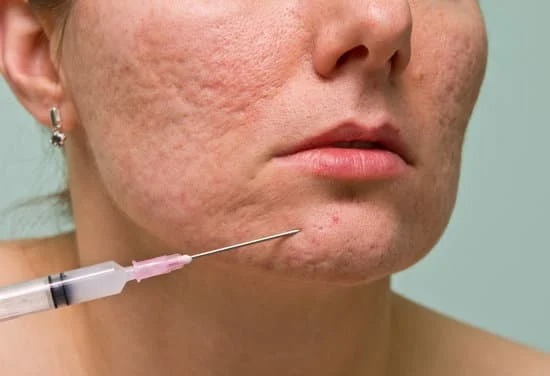
Dermal fillers are an excellent option for treating certain types of atrophic acne scars, particularly those that leave indentations in the skin like rolling or boxcar scars. These injectable treatments work by lifting the depressed areas and evening out the skin surface, giving it a smoother, more youthful appearance almost immediately after treatment.
Hyaluronic acid-based fillers are the most commonly used and are known for their ability to attract moisture and enhance skin volume. While the results are temporary—lasting several months to a year—they can offer quick confidence boosts for special occasions or long-term plans. In some cases, longer-lasting collagen-stimulating fillers may also be recommended. It’s important to work with an experienced provider who understands facial anatomy and scar patterns to ensure natural-looking results. Fillers provide a non-surgical way to minimize acne scars and can often be combined with other treatments for enhanced benefits.
Customized Skincare Routines Post-Treatment
After receiving treatments for acne scars, maintaining a customized skincare routine is essential to protect your progress and prevent new damage. Skin that has undergone chemical peels, laser therapy, or microneedling becomes more sensitive and needs gentle, nourishing care. Using non-comedogenic moisturizers, soothing serums, and mineral-based sunscreens helps maintain a calm and hydrated environment for healing.
Additionally, incorporating ingredients like niacinamide, hyaluronic acid, and vitamin C can support skin regeneration and brighten any residual discoloration. Avoiding harsh scrubs or irritants is crucial during recovery, as these can delay healing or cause pigmentation issues. Consistency is key—daily cleansing, moisturizing, and protection can greatly enhance the long-term results of your treatments. Speak with your skincare provider about product recommendations that are suited to your skin type and treatment history. The right regimen ensures your skin remains smooth, clear, and healthy-looking well beyond the treatment sessions.
Lifestyle Habits that Support Skin Healing
Your lifestyle plays a significant role in how effectively your skin recovers from acne scars. Habits such as staying hydrated, eating a nutrient-rich diet, and getting enough rest can significantly influence your skin’s ability to heal and rebuild. Consuming foods high in antioxidants, like leafy greens and berries, supports collagen production and fights inflammation that may worsen scarring.
Stress management is also essential, as chronic stress can lead to hormonal imbalances that trigger new breakouts and slow down skin repair. Limiting alcohol intake, quitting smoking, and maintaining an active lifestyle contribute to overall skin health and circulation. Don’t underestimate the power of sleep—your body regenerates skin cells most effectively during rest. Combining these habits with professional acne scar treatments ensures a more holistic and long-lasting improvement. Healthy living supports your skin from the inside out, enhancing the benefits of every treatment you receive.
When to See a Skin Specialist
Knowing when to seek help from a skin specialist is key to effectively managing acne scars. If you’ve tried over-the-counter products without noticeable improvement or if your scars affect your confidence, it’s time to consult a dermatologist or licensed skincare provider. Professionals can assess the type and severity of your scars and recommend a treatment plan tailored to your needs.
Certain types of scarring, such as ice pick or deep atrophic scars, often require clinical procedures for visible improvement. Early intervention also helps prevent permanent changes to skin texture. A qualified skin specialist uses medical-grade tools and treatments that go beyond the reach of everyday skincare. They’ll also monitor your progress and adjust the treatment approach as needed. Investing in professional care not only improves the look of acne scars but also supports long-term skin health and restoration. Personalized attention makes a noticeable difference in outcomes.
Conclusion
Achieving smoother, more radiant skin is possible with the right approach and expert care. At Charming Skin Vein Clinics in Oak Brook, IL, we offer advanced, personalized treatments to help fade acne scars safely and effectively. Our experienced team understands that every skin journey is unique, and we’re here to support yours with compassionate, results-driven solutions.
Whether you’re exploring your options for the first time or ready to begin a new phase in your skincare routine, we’re here to help you look and feel your best. Let us guide you toward clearer, more confident skin with proven care tailored just for you. Call us today at +1 630-974-1400 to schedule your consultation and take the first step toward a scar-free glow with the trusted professionals at Charming Skin Vein Clinics.