Vasculitis refers to inflammation of the blood vessels, including veins, arteries, and capillaries. This condition can disrupt normal blood flow, causing damage to the vessel walls and leading to a range of symptoms depending on the severity and location of the inflammation. At Charming Skin Vein Clinics, we offer advanced care for vasculitis, focusing on managing the condition and preventing further complications.
What Causes Vasculitis?
Vasculitis is often caused by an autoimmune response, where the body ’ s immune system mistakenly attacks its own blood vessels. Other potential causes include:
Autoimmune Disorders
Conditions like lupus, rheumatoid arthritis, and Sjögren's syndrome are associated with an increased risk of vasculitis.
Infections
Certain bacterial and viral infections can trigger vasculitis by causing inflammation of blood vessels.
Medications
Some medications, including antibiotics and blood pressure medications, can cause vasculitis as a side effect.
Cancer
In rare cases, vasculitis can be associated with certain cancers, particularly blood cancers like leukemia and lymphoma.
Genetic Factors
A family history of autoimmune diseases or vasculitis may increase the likelihood of developing the condition.
Symptoms of Vasculitis
Vasculitis can affect any part of the body, and symptoms vary based on t he size and location of the affected blood vessels. Common symptoms of vasculitis include:
Skin Rash
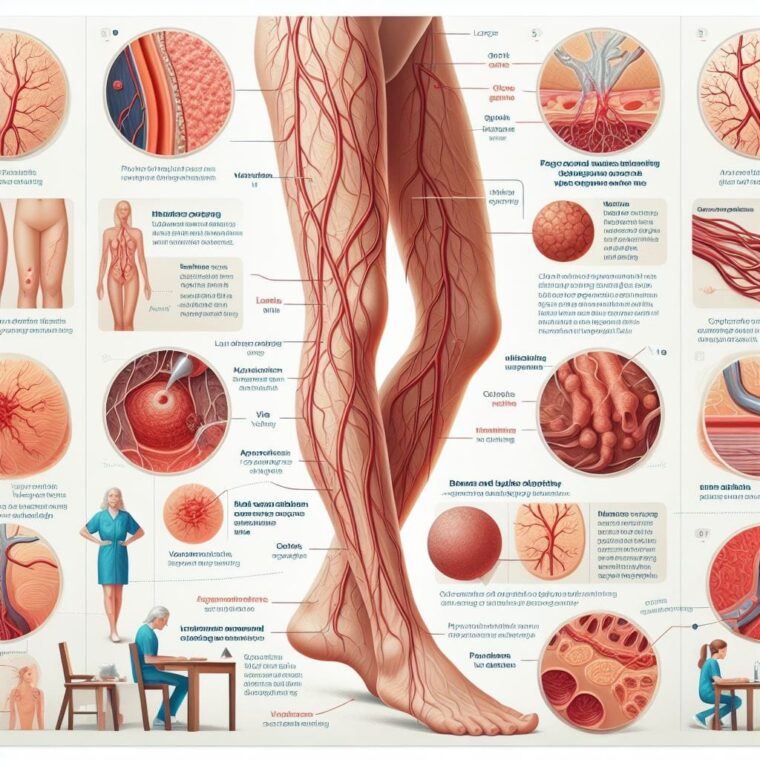
Small, red or purple spots on the skin, particularly on the legs, are a common sign of vasculitis in the veins.
Pain and Swelling
Inflammation of the veins can cause tenderness, swelling, and discomfort in the affected area.
Fatigue
Chronic fatigue and general weakness are often reported by people with vasculitis
Leg Cramps or Muscle Ache
When vasculitis affects the veins in the legs, cramping or aching may occur, particularly after physical activity.
Fever
Inflammation of the blood vessels may cause fever and flu - like symptoms.
In severe cases, vasculitis can lead to tissue damage, organ dysfunction, or even blood clots, which makes early diagnosis and treatment critical.
Why Treat Vasculitis?
Vasculitis is a serious condition that can lead to long – term complications if left untreated, including permanent damage to blood vessels and organs. According to the National Institutes of Health (NIH), early treatment of vasculitis can help control inflammation, prevent complications, and improve overall quality of life. Prompt care can reduce the risk of scarring and vessel damage, ensuring better health outcomes.
Treatment Options for Vasculitis:
En Charming Skin Vein Clinics, we provide a range of treatments to manage vasculitis and prevent complications. Treatment plans are tailored based on the severity of the condition and the areas affected:
Corticosteroids
Medications like prednisone are often used to reduce inflammation and suppress the immune system ’ s response, helping to control vasculitis
Immunosuppressants
In cases where corticosteroids alone are not enough, stronger immunosuppressant drugs may be used to control the immune system and reduce inflammation
Compression Therapy
If vasculitis affects the veins in the legs, compression stockings may be used to improve blood flow and reduce swelling.