Ultrasound for Vein Diagnosis | How It Works & Why It’s Important
Introduction
Ultrasound is an essential diagnostic tool used in the evaluation and treatment of various vein conditions. This non – invasive technique uses sound waves to create detailed images of veins and blood flow, allowing your specialist to diagnose issues like varicose veins, deep vein thrombosis (DVT), and venous insufficiency. At Charming Skin Vein Clinics, ultrasound is a vital part of our comprehensive vein care, helping us plan personalized treatments for our patients.
How Does Ultrasound for Vein Diagnosis Work?
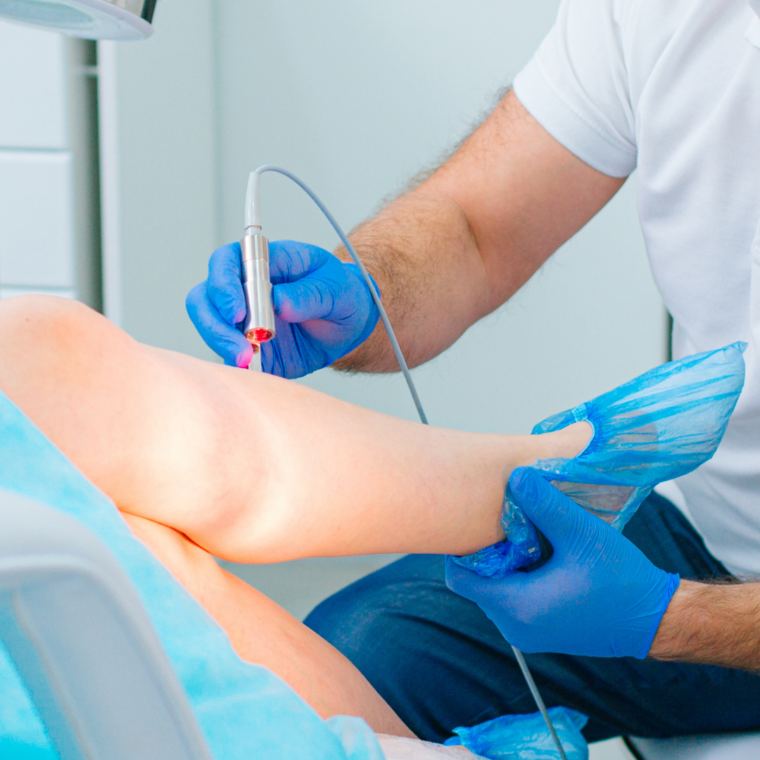
Ultrasound imaging, also known as a duplex ultrasound, involves using high – frequency sound waves to generate real – time images of blood vessels and blood flow. During the procedure, a handheld device called a transducer is placed on your skin, sending sound waves into the body. These sound waves bounce off blood vessels, creating a detailed image on a monitor.
Ultrasound provides a non – invasive way to evaluate your veins and their function, offering key insights into your circulatory health.
Why is Ultrasound Important for Vein Diagnosis?
Ultrasound plays a crucial role in diagnosing and assessing the severity of vein conditions, as well as in planning the most effective treatment. It is used to:
Detect Blood Clots
Ultrasound is highly effective in detecting blood clots, particularly those associate d with deep vein thrombosis (DVT). This is essential to prevent serious complications like pulmonary embolism.
Ultrasound can evaluate the efficiency of vein valves and detect venous reflux, a key contributor to conditions like chronic venous insufficiency and varicose veins.
Befor e procedures like endovenous laser therapy (EVLT) or sclerotherapy, ultrasound helps map out the affected veins, ensuring precision during treatment.
Ultrasound is a versatile tool used throughout the vein treatment process:
Initial Diagnosis
Ultrasound is often used during your first consultation to diagnose the condition of your veins and identify any underlying issues, such as venous insufficiency or blood clots.
Treatment Planning
It helps your vein specialist develop a detailed treatment plan by identifying the exact veins that need to be treated.
Guidance During Treatment
Ultra sound is often used during minimally invasive procedures, such as sclerotherapy or EVLT, to guide the treatment for better accuracy.
Post - Treatment Monitoring
After vein treatmen ts, ultrasound can be used to monitor healing and ensure the procedure was successful
Benefits of Ultrasound in Vein Care
Ultrasound offers several benefits for both diagnosis and treatment planning in vein care
Non-Invasive
Ultra sound is painless, non - invasive, and does not require any incisions or injections.
Safe and Effective
Ultrasound does not involve radiation, making it a safe diagnostic tool for most patients.
Real - Time Imaging
The real - time imaging provided by ultrasound allows for immediate insights into your vein health and blood flow.
Enhanced Treatment Precision
Ultrasound is often used during procedures like EVLT and sclerotherapy to ensure accurate treatment of the affected veins.
Conditions Diagnosed Using Ultrasound*
Ultrasound is used to diagnose a variety of vein conditions, including:
Varicose Vein
Ultrasound is used to evaluate the valves in varicose veins and assess venous reflux, allowing for an accurate diagnosis and treatment plan.
In addition to diagnostic imaging, maintaining healthy veins is key to preventing complications. Consider the following self – care strategies to support your vein health:
Stay Active
Regular physical activity, such as walking or swimming, promotes healthy circulation and helps prevent venous issues.
Maintain a Healthy Weight
Keeping your weight in a healthy range reduces pressure on your veins and lowers the risk of varicose veins and chronic venous insufficiency
Wear Compression Stockings
Compression stockings can help improve circulation, especially if you are prone to swelling or have been diagnosed with venous insufficiency.
If you’re experiencing symptoms of venous insufficiency or are concerned about your vein health, ultrasound diagnostics can help identify the root cause and guide effective treatment.
Charming Skin Vein Clinics
today to schedule your consultation and explore your treatment options.