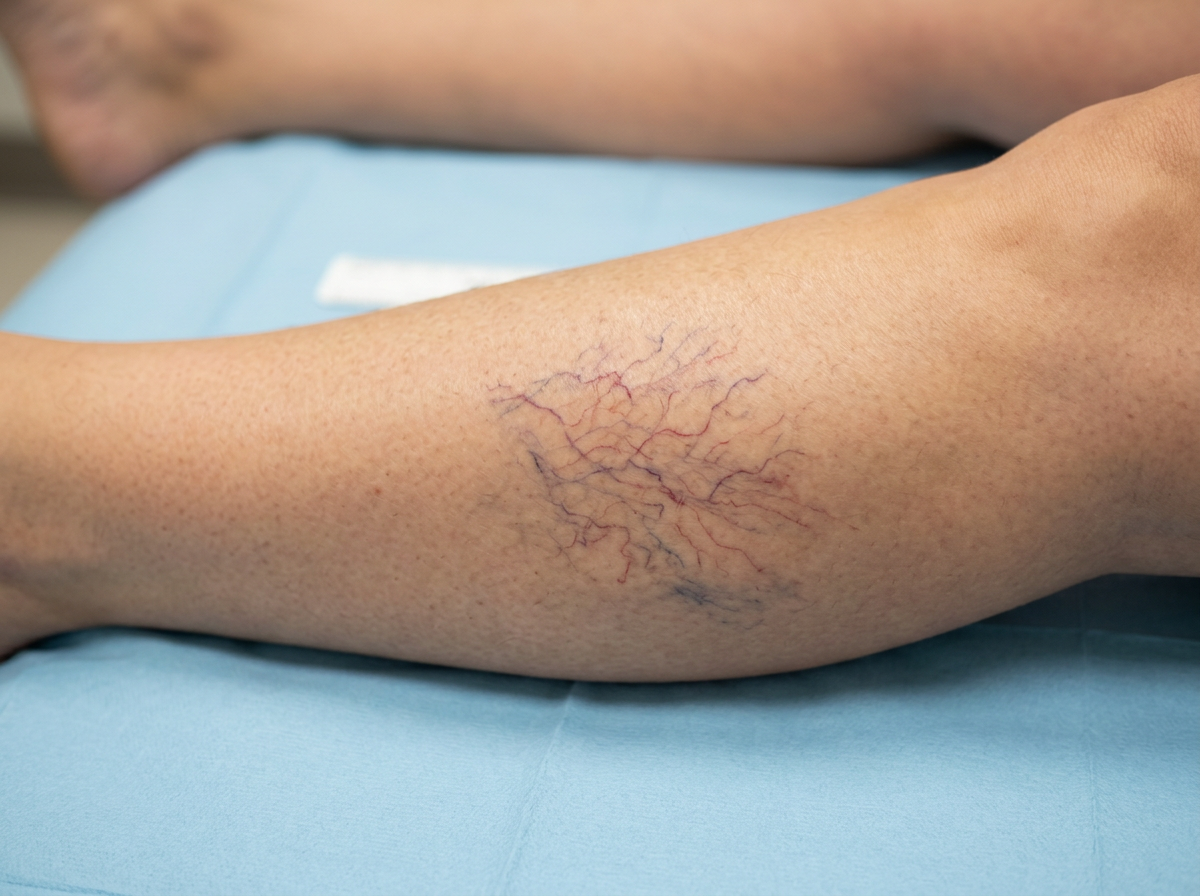
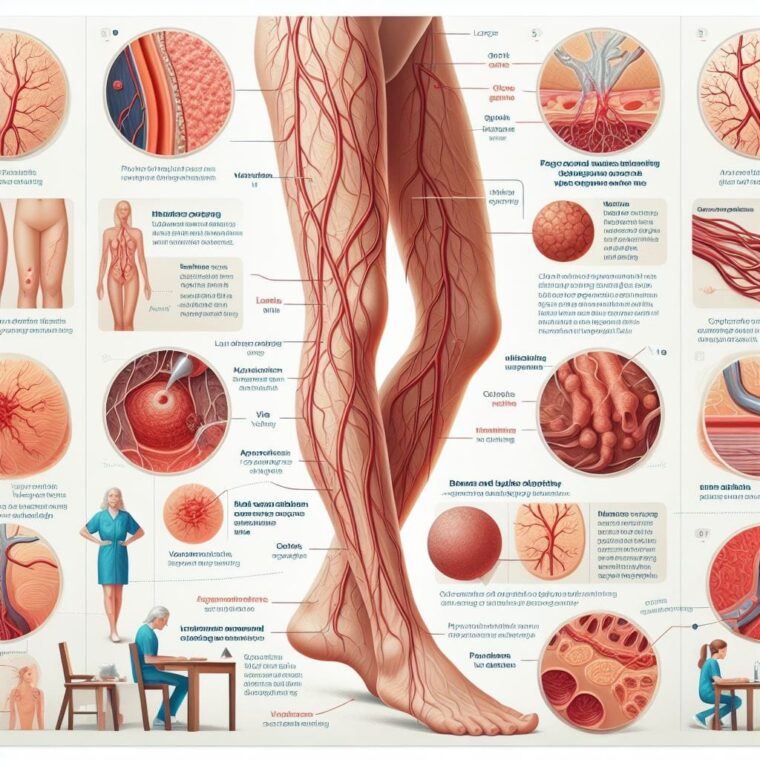
Spider veins are small, thin veins visible just beneath the skin, often appearing in a web – like pattern. They are most commonly found on the legs and face and can cause cosmetic concerns, as well as discomfort in some cases. At Charming Skin Vein Clinics , we offer minimally invasive treatments to help reduce the appearance of spider veins and relieve any associated symptoms.
What Causes Spider Veins?
Spider veins are caused by a variety of factors that affect the circulatory system, including:
Genetics
A family history of vein problems can increase your likelihood of developing spider veins.
Prolonged Sitting or Standing
Occupations that require long periods of standing or sitting can lead to poor circulation, which contributes to spider veins.
Hormonal Changes
Pregnancy, menopause, and hormonal therapies can weaken veins, leading to the development of spider veins.
Age
As you age, the valves in your veins may weaken, causing blood to pool and veins to become more visible.
Sun Exposure
Overexposure to the sun can weaken blood vessels, particularly on the face.
Symptoms of Spider Veins
While many people with spider veins experience no physical discomfort, some may notice symptoms such as
Itching or a burning sensation around the affected area.
Heaviness or achiness in the legs, especially after standing for long periods.
Visible red, blue, or purple veins in a web – like pattern, typically on the legs or face.
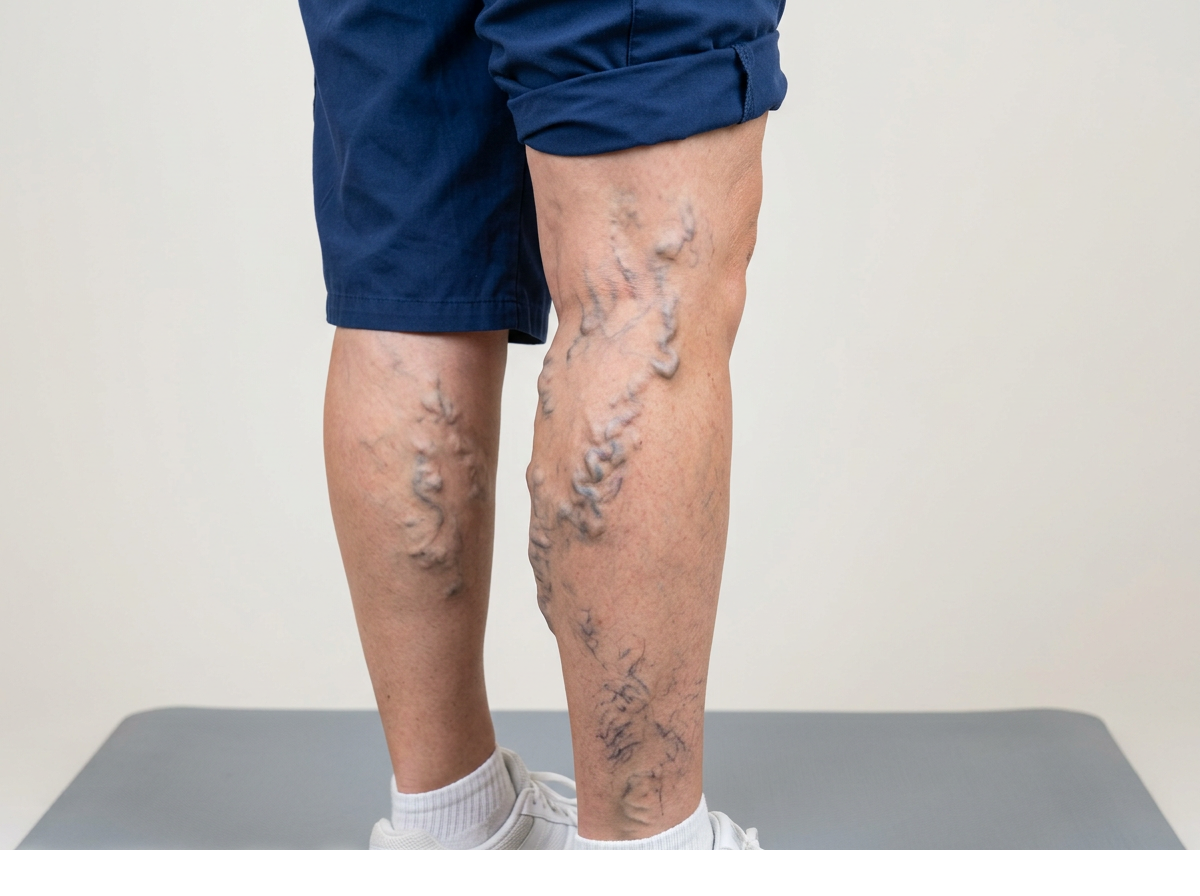
In some cases, spider veins can indicate underlying venous issues, such as varicose veins or chronic venous insufficiency.
Treatment Options for Spider Veins
En Charming Skin Vein Clinics, we offer several effective treatments for spider veins:
Escleroterapia
A min imally invasive procedure where a solution is injected into the spider veins, causing them to collapse and fade over time. Sclerotherapy is often the first choice for treating spider veins and can significantly improve their appearance.
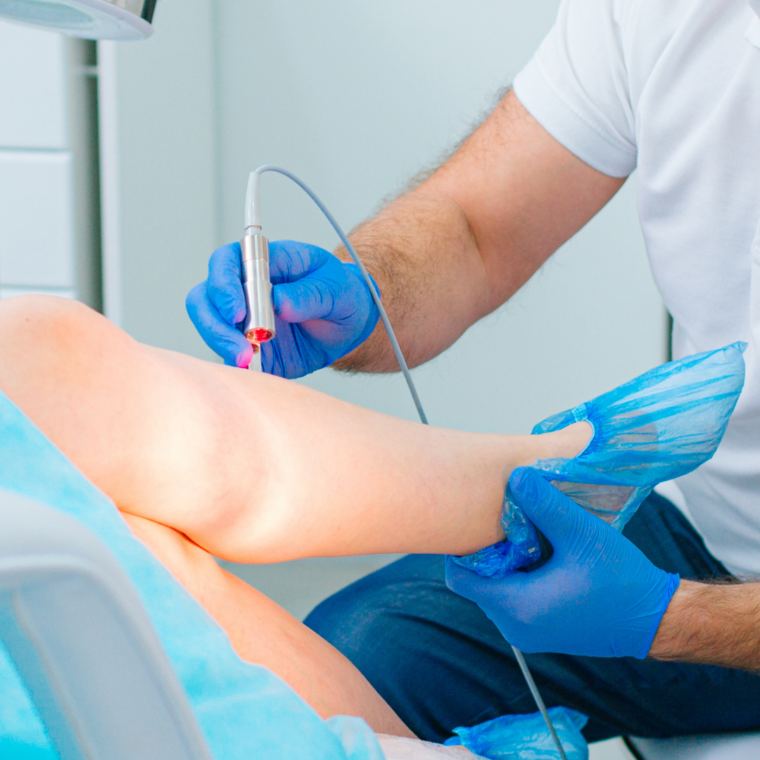
This treatment uses focused light to target and shrink spider veins. Laser therapy is especially useful for small veins and veins in sensitive areas, such as the face.
These treatments are designed to be quick and minimally invasive, allowing patients to resume their normal activities shortly after the procedure.
Preventing Spider Veins
While some risk factors, such as genetics, cannot be changed, there are steps you can take to reduce your chances of developing spider veins
Wear Compression Stockings
These can help improve circulation in the legs and reduce the formation of new spider veins.
Exercis e Regularly
Walking and low – impact activities promote better circulation and vein health.
Elevate Your Leg
Raising your legs periodically throughout the day helps prevent blood from pooling in the veins.
Protect Your Skin from the Sun
Use sunscreen and wear protective clothing to reduce the risk of sun – related spider veins on your face.
Why Treat Spider Veins?
En Charming Skin Vein Clinics, we offer a range of treatments to manage Arteriovenous Communication and restore proper circulation. Treatment plans are tailored based on the size, location, and severity of the condition:
Although spider veins are often considered a cosmetic issue, they can sometimes indicate more serious venous problems. Addressing spider veins early can prevent them from worsening and reduce the risk of complications. According to the American Vein & Lymphatic Society, treating spider veins can improve circulation and prevent discomfort, especially in the legs.